Mobile Toilet Sewage Direct Discharge
The direct discharge of sewage from mobile toilets is not a simple and direct process; rather, it involves treatment through a specific processing system before being discharged or transported for disposal in compliance with standards or regulations. The specific treatment processes and methods are as follows:
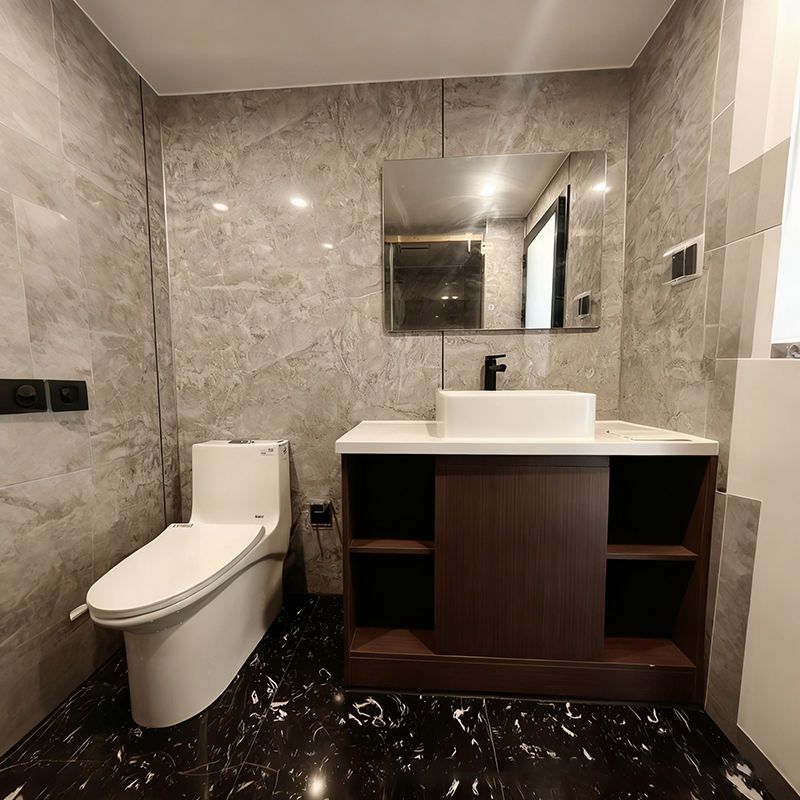
I. Treatment Process of Flush-Direct-Discharge Mobile Toilets
The core of a flush-direct-discharge mobile toilet is an integrated on-site treatment system. Its operation involves pre-storing clean water in a storage tank for flushing after each use. The flushed sewage, mixed with excreta, enters a separation and preliminary treatment chamber located at the bottom of the toilet body. In this chamber, through physical separation (such as filtration and sedimentation) and biochemical treatment (using microorganisms to decompose organic matter), solid substances are retained, and microorganisms break down organic pollutants into water, gases, and a small amount of stable inorganic substances. This process significantly reduces the chemical oxygen demand (COD) and ammonia nitrogen content in the wastewater, achieving preliminary purification.
II. Deodorization and Discharge Standards
To improve the user experience, mobile toilets are equipped with deodorization systems that eliminate odors through adsorption or chemical neutralization principles. The liquid after biochemical treatment must meet specific discharge standards to become treated effluent. This effluent can be directed to an independent discharge tank for storage or, in compliance with local environmental regulations, extracted and transported by professional service vehicles to a sewage treatment plant for final disposal. Direct discharge must strictly meet environmental requirements and is not arbitrary.
III. Applicable Scenarios for Flush-Type Direct-Discharge Systems
Another flush-type direct-discharge system uses a water tank or external water source for flushing, with sewage directly discharged into a collection tank or septic tank below. This system is suitable for scenarios with fixed collection and transportation cycles, such as construction sites, large events, or temporary camps. The collection tank or septic tank requires regular cleaning and transportation by professional vehicles to a sewage treatment plant to prevent sewage overflow or environmental pollution.
IV. Environmental Protection and Compliance
The sewage direct-discharge technology of mobile toilets emphasizes environmental protection and compliance. Whether discharged after on-site treatment or transported after collection, it must comply with local environmental regulations. For example, the treated effluent must meet the 'Integrated Wastewater Discharge Standard' or local standards to ensure no pollution to soil or water bodies. Additionally, regular maintenance and cleaning are crucial for ensuring the normal operation of the system and preventing blockages and odors.