
Mobile Toilet Sewage Collection
There are various methods for collecting sewage from mobile toilets, with the following being common types:
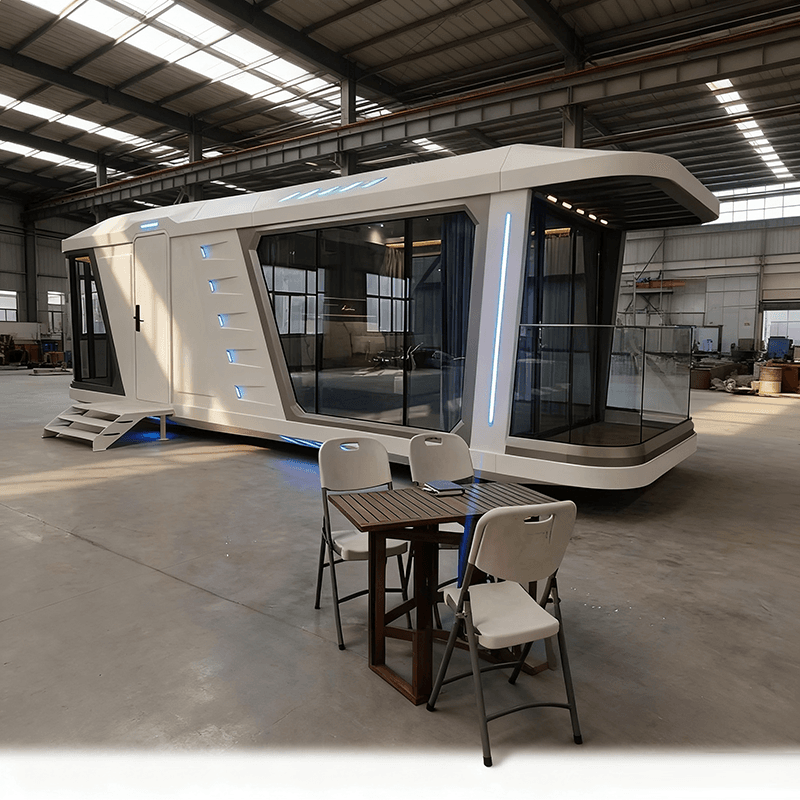
The conventional water-flushing method is a relatively traditional way of sewage collection. It requires connection to water supply and drainage pipes, and uses manual operation or automatic sensing devices for waste discharge. After a user finishes using the toilet, the flushing mechanism is triggered, and the sewage flows through the pipes to a septic tank or municipal sewer network. This method is suitable for areas with well-established water supply and drainage infrastructure, enabling convenient integration of sewage into the urban sewage treatment system for processing, ensuring toilet cleanliness and a good user experience.
The vacuum sewage collection system utilizes the principle of negative pressure for sewage collection. Its core component is a vacuum pump. When the sewage in the public toilet reaches a preset water level, the vacuum pump automatically starts, generating strong negative pressure to quickly suck the sewage and waste into a collection container. The advantages of this method include fast waste discharge, effectively reducing the residence time of sewage in the toilet, minimizing odor generation, and reducing water consumption. It is suitable for places with high hygiene requirements and limited water availability.
The water-storage sewage collection system also uses a water-flushing approach, but it discharges waste into a storage tank. When the sewage reaches a preset water level, the flushing device automatically starts, flushing the waste into the storage tank. When the storage tank is full, manual cleaning and replacement are required. This method is suitable for scenarios where there is no connection to water supply and drainage pipes but there is some space to place a storage tank. However, regular maintenance and cleaning of the storage tank are necessary to ensure its proper operation.
The fecal sewage storage tank is a sewage collection component specifically designed for mobile toilets. It serves as an integral part of the mobile toilet for storing sewage. This collection method is mainly suitable for scenarios without connections to water supply and drainage pipes, such as野外施工场地 (construction sites in the wilderness), large-scale event temporary sites, etc. It can independently collect sewage, facilitating easy movement and placement. However, timely cleaning of the sewage in the storage tank is also required to prevent overflow and odor generation.
Biodegradation technology is a relatively environmentally friendly method for sewage collection and treatment. Through the action of specific microorganisms, it converts organic matter in the sewage into harmless substances for discharge, significantly reducing environmental pollution. This technology is suitable for places with high environmental protection requirements, reducing the difficulty and cost of sewage treatment while achieving sustainable resource utilization.



