Back to blog
Article
Mobile Toilet Septic Tank
Admin September 21, 2026
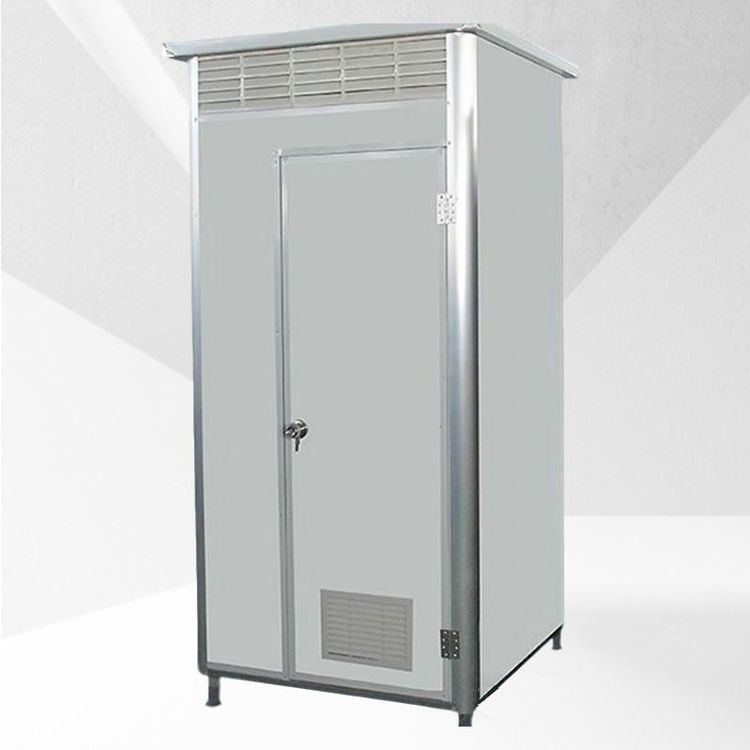
The mobile toilet septic tank is a container used for collecting and treating the excreta from mobile toilets. Common types include plastic septic tanks and double-urn septic tanks, with some mobile toilets coming with integrated septic tanks and basic sanitary facilities.

I. Common Types and Specifications
Plastic Septic Tanks
- Capacity Range: 0.3-5 cubic meters, suitable for rural toilet renovations or small mobile toilet scenarios.
- Structural Features: Designed with a three-chamber integrated molding, it treats excreta through three stages: sedimentation, fermentation, and decomposition, effectively reducing odors and pollutants.
- Odor Control Technology: A sealed structure combined with an odor-proof valve prevents gas backflow and reduces environmental impact.
Double-Urn Septic Tanks
- Application Scenarios: Used for dry toilet renovations or areas without sewer systems, achieving solid-liquid separation and preliminary fermentation through the series connection of two urns.
- Environmental Advantages: Made mostly of high-density polyethylene (HDPE), they are corrosion-resistant, aging-resistant, and have a service life of over 20 years.
II. Configuration of Integrated Septic Tanks in Mobile Toilets
Some mobile toilets come with integrated septic tanks, eliminating the need for external water sources or drainage systems. Typical configurations include:
- Sanitary Facilities: Foot-operated squat toilets (reducing contact contamination), hand basins (optional water-saving models), and ventilation louvers (promoting air circulation).
- Safety Design: Safety door locks (ensuring privacy) and non-slip floors (reducing usage risks).
- Maintenance Convenience: The septic tanks are detachable or can be cleaned through a sludge extraction port, making them suitable for temporary or mobile scenarios.
III. Core Functions and Advantages
- Excreta Treatment: By using physical sedimentation and microbial decomposition, it reduces pollutant concentrations and minimizes soil and groundwater contamination.
- Mobility: Lightweight materials (such as plastic) facilitate easy transportation and installation, suitable for temporary needs in construction sites, scenic spots, disaster areas, etc.
- Cost-Effectiveness: Compared to traditional brick septic tanks, plastic septic tanks are more cost-effective and require less complex construction, shortening the project duration.
IV. Applicable Scenarios
- Rural Toilet Renovations: Addressing sanitation issues in areas without sewer systems and improving living environment quality.
- Temporary Event Venues: Such as music festivals and exhibitions, providing convenient sanitary facilities.
- Emergency Rescue: Quickly deploying sanitation solutions during post-disaster reconstruction or field operations.
Summary: Mobile toilet septic tanks meet diverse scenario needs through varied designs. Their core value lies in environmentally friendly treatment, mobility convenience, and cost optimization, making them an important supplement to modern sanitary facilities.
Related