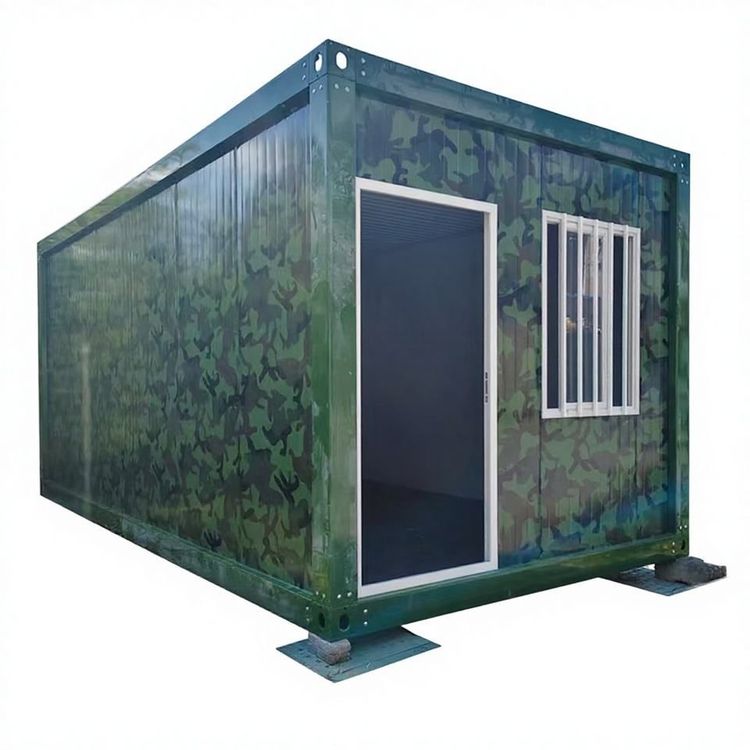
Mobile Toilet Sensors
Common sensors used in mobile toilets mainly include microwave radar sensors and infrared sensors, which are used for automated control in different scenarios.

Microwave Radar Sensors: The Core of Motion and Presence Detection
Microwave radar sensors detect human motion or presence by emitting high-frequency electromagnetic waves and receiving reflected signals. Their key advantages are non-contact detection and strong anti-interference capabilities, making them suitable for lighting control in mobile toilets. For example, when a person enters the toilet, the sensor detects motion signals and automatically triggers the lighting system; if the person remains stationary for an extended period (e.g., while using the toilet), some sensors can distinguish between 'presence' and 'motion' through algorithms to prevent accidental light shutdown. Additionally, microwave radar sensors are insensitive to ambient light and temperature changes, enabling stable operation in complex environments, though they are relatively costly and require avoidance of metal objects that may interfere with signal reflection.
Infrared Sensors: The Key to Automatic Urinal Flushing
Urinal sensors commonly use infrared sensing principles, detecting human presence by emitting infrared light and receiving reflected signals. When a user approaches, the sensor detects activity signals and controls the solenoid valve to initiate flushing; after use, when the signal disappears, the solenoid valve closes. These sensors have three main characteristics:
- Non-contact operation: Users do not need to touch the equipment, effectively reducing the risk of cross-infection and meeting public health standards;
- Adjustable parameters: Flush time, water volume, and sensing distance can be set according to actual needs. For example, high-traffic areas can shorten flush times to conserve water or adjust sensing distance to avoid false triggers;
- Cost-effectiveness: With mature technology and large-scale production, market prices vary significantly by brand and function, but overall offer high value for money and are widely used in various urinals.
Sensor Selection and Application Scenarios
The choice of sensors for mobile toilets requires consideration of both functional requirements and costs. Microwave radar sensors are better suited for scenarios requiring precise detection of motion or presence (e.g., lighting control), while infrared sensors, due to their low cost and high stability, are the preferred choice for automatic urinal flushing. Additionally, some high-end products may integrate multiple sensors to enhance the automated experience, though attention must be paid to signal compatibility between different sensors.