
Self-Welding of Mobile Toilets
Mobile toilets can be self-manufactured through manual welding processes, but it is essential to strictly adhere to process specifications and meet quality standards. The main frame is typically made of metal materials such as stainless steel or galvanized steel pipes, welded using processes like manual arc welding and gas metal arc welding (GMAW), suitable for small-batch or customized production scenarios. Here are the specific implementation points:
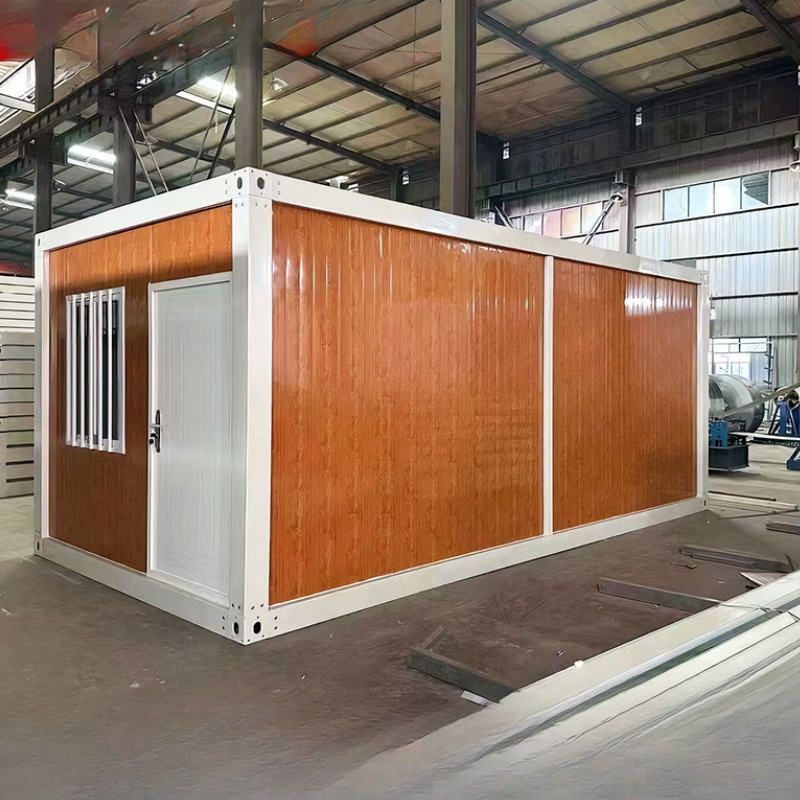
I. Material and Tool Preparation
Prepare basic tools such as welding machines, wrenches, and cutting machines, as well as primary materials like stainless steel plates, galvanized steel pipes, water pipes, and electrical wires. If mobility is required, additional components like wheels and brackets are needed. Material selection should consider corrosion resistance; for example, aluminum-zinc alloy is commonly used in villa resorts, forming a high-strength steel frame through welding to extend service life and adapt to outdoor environments.
II. Welding Process Points
- Cutting and Assembly: Cut plates according to design drawings to ensure dimensional accuracy. For welding, prioritize gas metal arc welding (e.g., MIG/MAG welding) for its deep penetration and minimal deformation, suitable for thin-plate structures; for thick plates or key load-bearing parts, manual arc welding can be used, but the weld reinforcement height should be controlled (generally not exceeding 3mm) to avoid stress concentration.
- Structural Strength: The frame should be fully welded, with special attention to stress concentration areas like corners and connections. X-ray flaw detection may be conducted if necessary. For example, fillet welds should be used at the connection between the door frame and wall, with a weld leg size not less than 0.7 times the thickness of the base material.
- Sealing Treatment: Continuous welds or sealant filling should be used for toilet partitions, water tanks, and other parts to prevent leakage. After welding, a pneumatic test should be conducted (pressure ≥ 0.02 MPa, holding for 30 minutes without leakage).
III. Functional Module Installation
- Water and Electrical Systems: Water pipes should be connected using hot-melt welding or compression fittings, and electrical wires should be protected by metal conduits and grounded, complying with the electrical safety requirements in the "Urban Public Toilet Design Standard" CJJ 14-2016.
- Sanitary Facilities: Toilets, sinks, etc., should have embedded fixtures. When welding brackets, reserve 5-10mm expansion joints to prevent cracking due to thermal expansion and contraction.
- Exhaust and Ventilation: Reserve an exhaust port with a diameter ≥ 150mm at the top. When installing axial fans, weld rain covers to prevent water ingress.
IV. Quality and Safety Specifications
Welding operations should be performed by certified personnel, wearing protective face shields and insulating gloves during operation. Finished products should pass load-bearing tests (e.g., floor load-bearing capacity ≥ 300 kg/m²) and slip resistance tests (ramp friction coefficient ≥ 0.6). If used in public places, they should also pass fire safety inspections and display safety signs.
Note: Manual welding requires high technical skills. It is recommended to first create a 1:1 model for process verification or entrust professional welders to complete key parts of the construction.



