Mobile Toilet Self-Degradation
Mobile toilet self-degradation primarily relies on microbial degradation technology to achieve harmless treatment of excreta. Its core principle involves converting organic matter into carbon dioxide, water, and a small amount of biomass through specific microbial communities, without the need for chemical additives and avoiding secondary pollution.

Technical Principles and Treatment Process
Microbial degradation technology is the core of self-degrading mobile toilets. Under suitable temperature and humidity conditions, specific microbial communities decompose the organic matter in excreta, converting it into carbon dioxide, water, and a small amount of biomass. This process does not require the addition of chemical agents, avoiding the secondary pollution problems that may arise with traditional toilets. Some high-end products also incorporate vacuum self-suction or high-pressure air-water flushing technologies to further enhance treatment efficiency and hygiene standards. For example, waterless ecological toilets use composite microorganisms to biochemically treat solid excreta into gases, while simultaneously decomposing urine to meet reclaimed water standards for recycling.
Features and Advantages
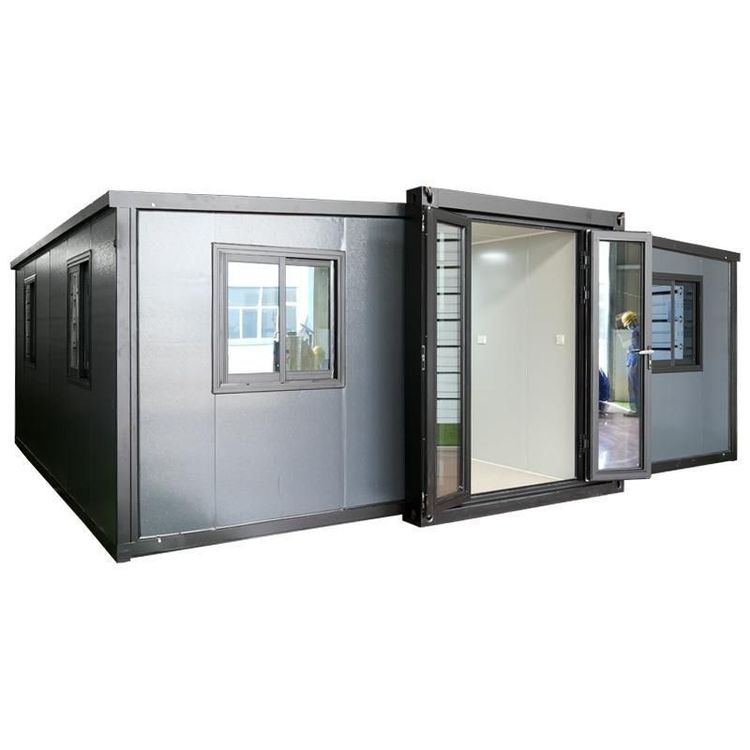
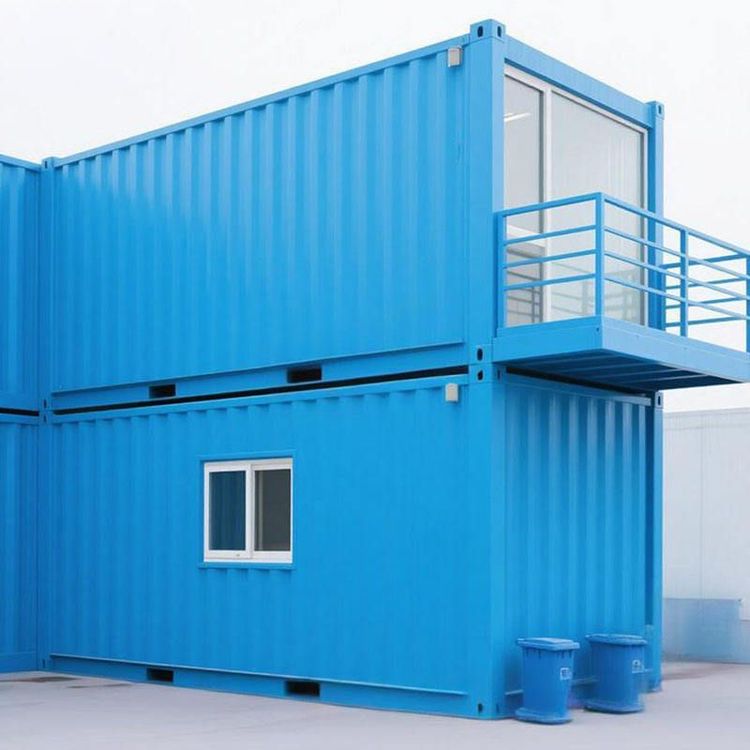
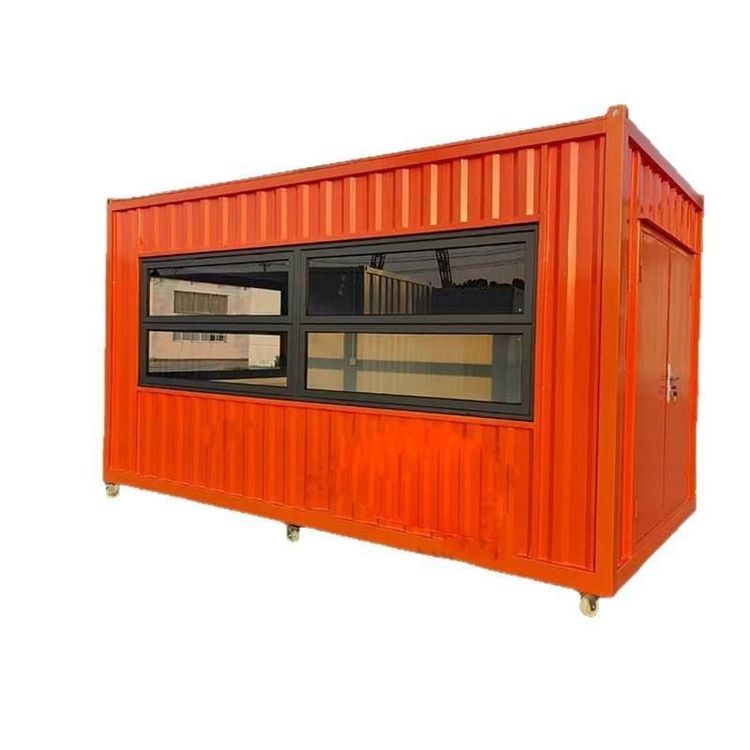
Mobile toilet self-degradation exhibits significant environmental friendliness, mobility, and customization features. Environmental friendliness is reflected in the absence of water flushing or chemical agents, greatly reducing water resource waste and environmental pollution. Mobility is demonstrated by its mostly assembled or integral structure, facilitating easy transportation and installation, enabling rapid deployment to various scenarios. Customization allows for the selection of materials, shapes, and functions based on actual needs, meeting diverse usage requirements.
Applicable Scenarios
Self-degrading mobile toilets are suitable for a wide range of scenarios, including tourist attractions, remote areas, and temporary events. In tourist attractions, areas with high foot traffic can be equipped with smart station eco-friendly public toilets featuring automatic flushing systems. Remote areas are suitable for mobile degrading toilets with strong weather resistance to address infrastructure deficiencies. Temporary events are ideal for waterless packing toilets to meet short-term, high-mobility usage demands.
Usage and Maintenance
When using a self-degrading mobile toilet, the operation is similar to that of a conventional toilet. After excreta enters the degradation chamber, microorganisms immediately begin the decomposition process without the need for flushing, thus saving water resources. Regular maintenance includes adding microbial agents or adjusting the humidity inside the chamber to maintain the decomposition activity of the microorganisms. Degradation products typically need to be cleaned out every few weeks or months. The cleaned-out material is stable organic matter that can be used for non-food agriculture or soil improvement, but local regulations must be followed.