Seismic Performance of Mobile Toilets
The seismic performance of mobile toilets varies depending on product design and materials, with some products achieving high seismic resistance through optimized design, making them suitable for most public places. Their seismic performance is primarily influenced by the following factors:

1. Structural design is the core foundation of seismic performance
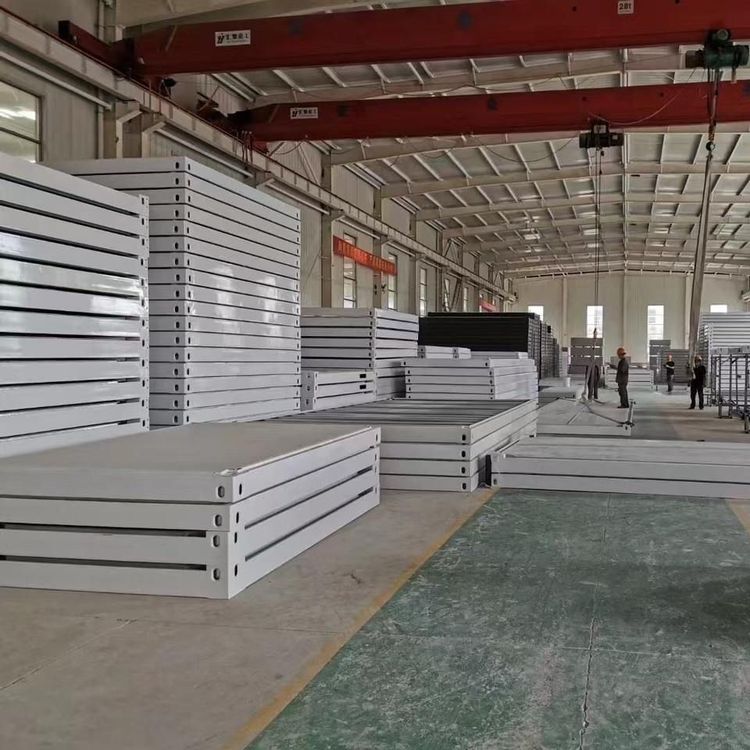
Some mobile toilets employ high-strength metal frame structures (e.g., welded from Q550 steel with a thickness of approximately 8 mm), dispersing seismic energy through scientifically optimized structures. For example, the Rishuo booth mobile restroom scores highly in seismic evaluations due to its stable frame. The advantage of frame structures lies in reducing deformation risks through the triangular stability principle, while the high ductility of metal materials absorbs some seismic impact forces. Additionally, some products lower their center of gravity through overall weight distribution optimization (e.g., weighted bottom designs), further enhancing their resistance to overturning.
2. Material quality directly affects structural strength
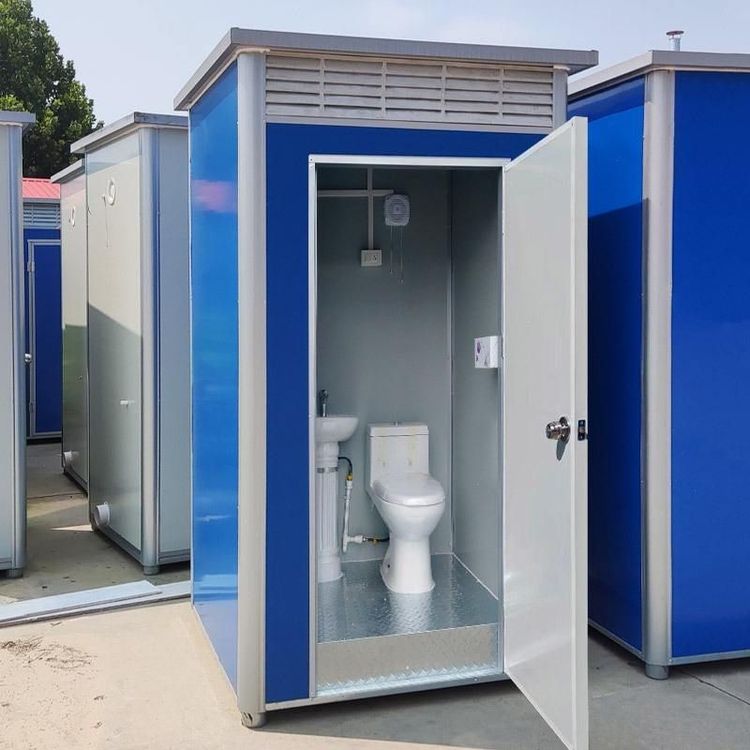
High-quality materials are crucial for ensuring seismic performance. Metal frames combined with anti-corrosion treatments (e.g., hot-dip galvanizing) can adapt to humid environments with large temperature variations, preventing structural weakening due to rust. Some products use multi-layer panels filled with insulation materials, enhancing both thermal insulation and seismic resilience through composite structures. For example, a mobile toilet produced by a manufacturer in Handan, Hebei Province, is labeled as having 'excellent seismic performance' due to its use of lightweight, high-strength materials. Its lightweight nature reduces inertial forces during earthquakes, while its evenly distributed load design reduces the risk of local stress concentration.
3. Shock absorption measures reduce damage to functional units
Modular design is a common shock absorption method. By independently dividing functional units such as toilet areas and handwashing areas and connecting them with standardized interfaces, the impact of earthquakes on single modules can be reduced. For example, some products isolate vibrations through flexible connectors or buffer devices, preventing structural damage from rigid collisions. However, it should be noted that the shock absorption measures of some products (e.g., the Rishuo booth mobile restroom) are relatively basic, with limited energy absorption capacity for strong earthquakes, requiring integration with other designs to enhance overall performance.
4. Professional testing verifies seismic resistance levels
Third-party institutions assess seismic resistance levels through building structure reviews, damage detection, and safety calculations (e.g., using PKPM software). Testing includes steel performance tests (e.g., non-destructive testing of welds) and structural deformation simulations. For example, metal frame mobile toilets can achieve a seismic resistance level of 5, meeting the needs of scenarios such as scenic spots and temporary event venues. Compared to traditional brick toilets, mobile toilets offer shorter construction periods, higher space utilization, a 30% lower failure rate, and lower maintenance costs, making them the preferred option for seismic-demand scenarios.