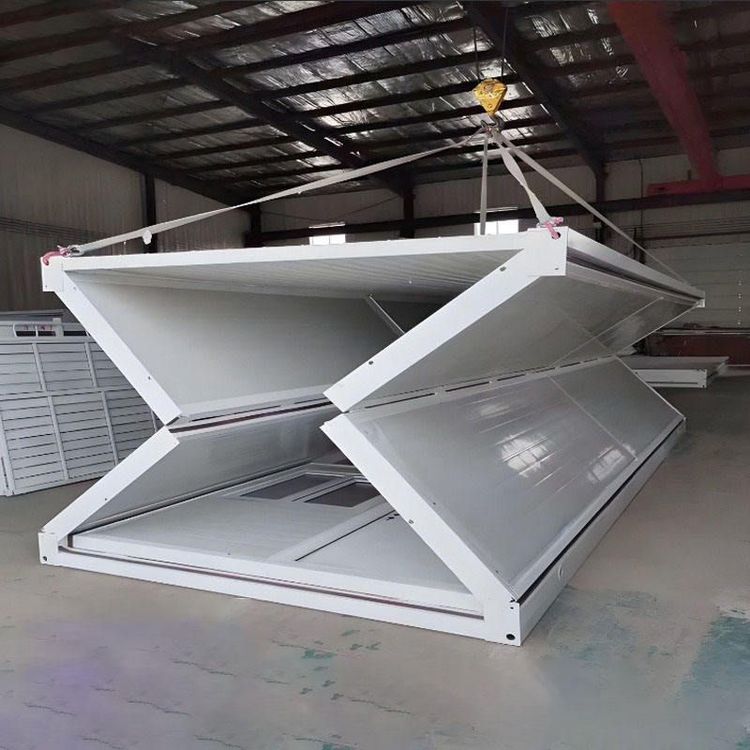
Images of Mobile Toilet Sealed Doors
We cannot directly provide images of mobile toilet sealed doors, but we can describe their appearance and structural features in detail.

As a crucial component of mobile toilets, the sealed door plays a vital role in ensuring user privacy, preventing odor diffusion, and maintaining a clean internal environment. Its design is typically closely integrated with the overall structure and usage requirements of the mobile toilet, showcasing unique and practical characteristics.
In terms of appearance, mobile toilet sealed doors are often made of lightweight yet sturdy materials, such as aluminum alloy or high-strength plastic. These materials not only ensure the durability of the door but also reduce the overall weight of the mobile toilet, facilitating transportation and installation. The surface of the door is often specially treated, such as being painted with anti-rust paint or undergoing a matte finish, to enhance its corrosion resistance and aesthetic appeal. In terms of color selection, neutral colors or colors that harmonize with the environment are predominantly used, which not only comply with the design specifications for public facilities but also blend into various usage scenarios.
Structurally, mobile toilet sealed doors usually adopt a single-leaf or double-leaf design, which can be flexibly adjusted according to the internal space size and usage requirements of the toilet. High-quality seals are installed between the door and the door frame, effectively blocking the exchange of odors and external air, and maintaining fresh air inside the toilet. Additionally, the door is equipped with a lock to ensure the privacy and safety of users. Some high-end mobile toilets even feature automatic induction or foot-operated opening mechanisms for their sealed doors, further enhancing convenience and hygiene during use.
Furthermore, the design of mobile toilet sealed doors takes into full consideration human-centered factors. For example, the opening direction of the door is usually coordinated with the internal space layout of the toilet to avoid inconvenience during use; the height and width of the door are also carefully calculated to ensure that users of different heights can easily enter and exit.