
Mobile Toilet Schematic Diagram
Although there is no direct schematic diagram for mobile toilets, their working principles can be summarized into the following core parts:
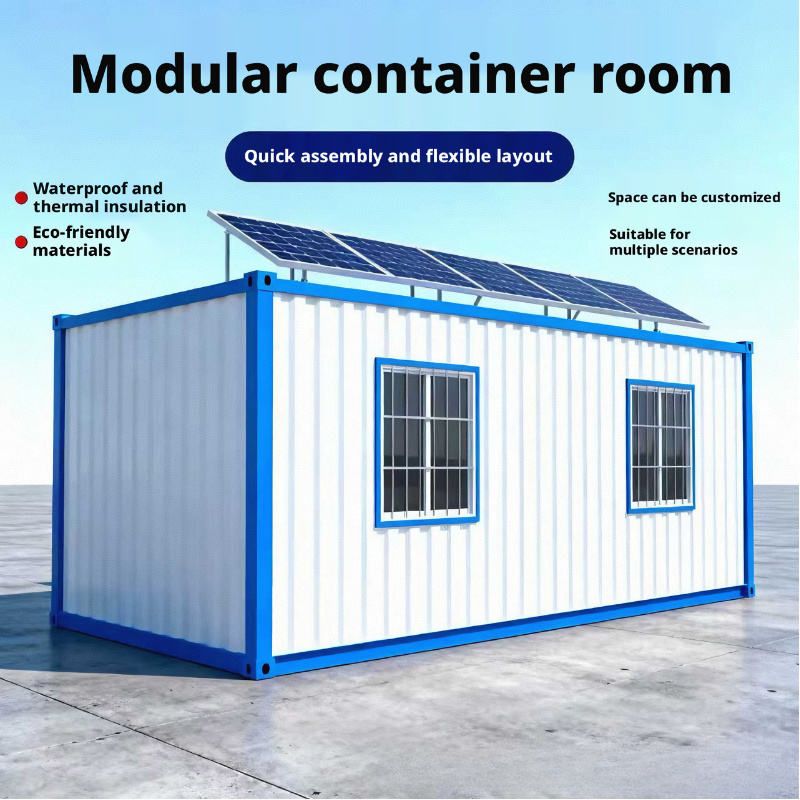
Mobile toilets are typically composed of a fecal sewage storage tank (or fecal sewage treatment device), floor, sanitary ware, walls, washing facilities, water tank, roof, and mobile device, among others. The working principles of different types of mobile toilets vary. The following explains common types as examples.
Sewage-storage mobile toilets: This is a relatively traditional and common type. Its core components include a toilet, a sewage storage tank, and a ventilation system. When a user uses the toilet, waste directly falls into the sewage storage tank below. To reduce odors and bacterial growth, degradation agents or deodorants are sometimes placed in the sewage storage tank in advance. These chemicals can decompose organic matter in the waste and inhibit bacterial reproduction, thereby reducing odor generation. The ventilation system plays a crucial role by maintaining air circulation inside the toilet through natural airflow or small fans. Natural airflow utilizes the natural convection of air to allow fresh air to enter the toilet and expel stale air; while small fans can accelerate air movement, more effectively preventing stuffiness and odor accumulation inside the toilet and providing a relatively comfortable environment for users.
Water-saving mobile toilets: These types of mobile toilets adopt special designs to reduce water consumption. They may optimize the flushing system by using more efficient flushing methods, such as pulse flushing, to reduce the amount of water used per flush while ensuring cleanliness. Additionally, some water-saving mobile toilets combine chemical agents to treat waste. After the waste enters the storage or treatment device, an appropriate amount of chemical agent is added to accelerate the decomposition and sedimentation of the waste, thereby reducing reliance on large amounts of flushing water.
Waterless mobile toilets: Waterless mobile toilets do not require flushing and mainly rely on biological decomposition or special physical treatment methods to handle waste. For example, some waterless mobile toilets use microorganisms to decompose organic matter in the waste, converting it into harmless substances such as carbon dioxide, water, and a small amount of inorganic salts. This treatment method not only saves water resources but also reduces dependence on the sewage discharge system, making it suitable for areas with scarce water resources or those unable to connect to the sewage pipe network.



