
Mobile Toilet and Sanitation Facilities
Mobile toilets are facilities that can be moved as a whole and provide public toilet services. They are widely used in various places and come in multiple types with different design principles.
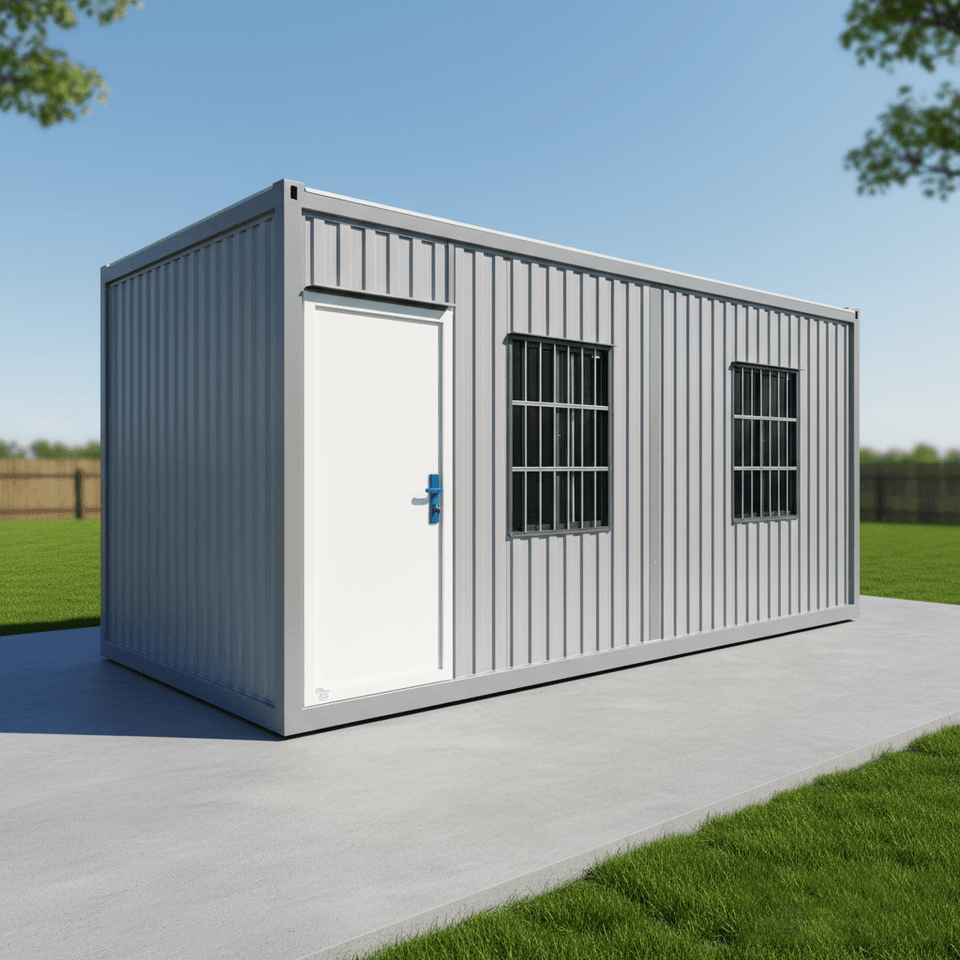
I. Basic Components and Advantages Mobile toilets generally consist of fecal sewage storage tanks (or disposal units), floor slabs, sanitary fixtures, walls, washing equipment, water tanks, roofs, and mobile devices. Their core advantages lie in being movable, combinable, and easy to transport, enabling rapid deployment in areas such as train stations, docks, tourist attractions, densely populated public places, and bustling commercial streets. For example, mobile toilets are installed outside examination venues during the college entrance exams, with sanitation workers ensuring cleanliness and removing them after the exams. In 2023, the Lanzhou Yellow River Scenic Area also successively put mobile toilets into use to meet tourists' needs.
II. Classification Methods
- By structural form: They are divided into single-structure mobile toilets (independent units) and composite-structure mobile toilets (multi-unit combinations).
- By mobility method: They include lifting and handling types (requiring external equipment for movement) and powered and towed types (with built-in power or towable for transportation).
- By sewage treatment method:
- Water-flushing and non-water-flushing suction types: Rely on water sources for flushing or regularly suction feces.
- Recirculating water-flushing types: Achieve water resource recycling through filtration and disinfection technologies.
- Dry-packing types: Use biodegradable bags to collect feces, requiring no water source, suitable for water-scarce areas.
III. Design Principles The design of mobile toilets should follow three major principles:
- Mobile convenience and economic durability: Lightweight structures and corrosion-resistant materials are used to reduce transportation and maintenance costs.
- Environmental protection and ecological benefits: Water-saving technologies and biodegradable materials are adopted to reduce pollution emissions.
- Enhanced efficiency and humanitarianism: The internal layout is optimized, and barrier-free facilities (such as dedicated toilets for the disabled) are added to improve the user experience.
IV. Special Types and Applications
- Smart and eco-friendly mobile toilets: Used during the Winter Olympics, they integrate epidemic prevention functions such as wave-to-open doors, seat pad replacement, and flushing to reduce contact transmission risks.
- Scenic area-specific mobile eco-friendly restrooms: Their main frames are made of steel, with metal carved exterior walls, combining aesthetics and durability. Some are equipped with dedicated facilities for the disabled to meet diverse needs.
Through modular design and technological innovation, mobile toilets have become indispensable public service facilities in modern cities and tourist attractions, effectively alleviating the problem of insufficient fixed toilet layouts.



