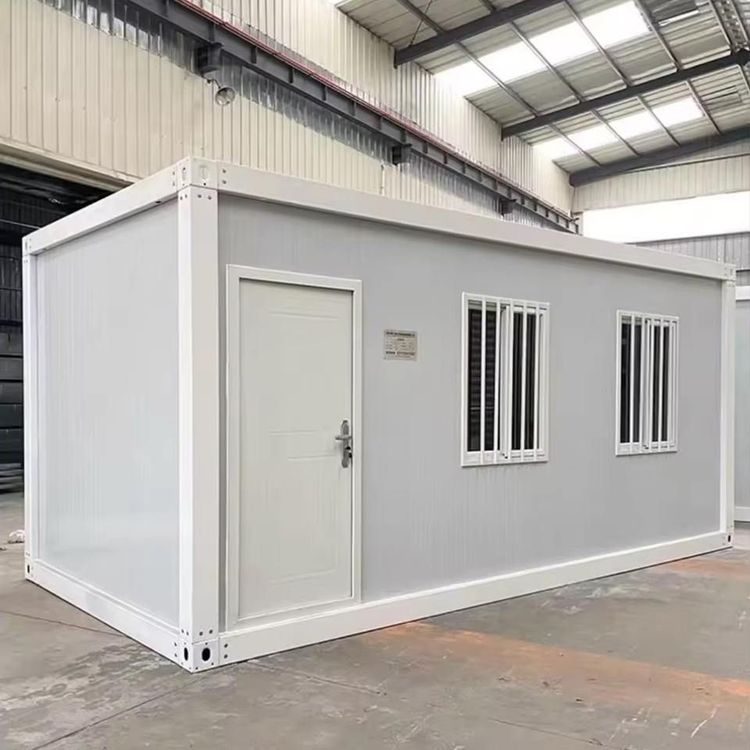
Mobile Toilet Salesperson
The work of a mobile toilet salesperson covers systematic processes such as demand communication, solution design, quotation and contract signing, production follow-up, delivery and installation, and after-sales maintenance, requiring the provision of solutions based on professional knowledge and customer scenario needs.

Demand Communication and Site Assessment
Salespersons need to communicate in-depth with customers to clarify the number of users, duration, site environment (such as mountainous areas, scenic spots, urban squares, etc.), and special functional requirements (such as barrier-free facilities, water-saving designs, microbial degradation technologies, etc.). Subsequently, professional personnel are arranged to conduct on-site inspections of the terrain, traffic conditions, water and electricity access methods, and the feasibility of waste disposal to determine the product type, quantity, and layout plan. For example, mountainous or scenic areas may require priority recommendations for waterless flushing or microbial degradation mobile toilets due to the inability to connect to municipal sewage networks; urban squares can consider ordinary flushing or water-saving products.
Solution Design and Product Recommendation
Based on the assessment results, salespersons need to design targeted solutions and recommend appropriate product types (such as waterless packaging, vacuum adsorption, recyclable processing, etc.), and provide detailed explanations of materials (such as color-coated steel plates, metal carved panels, galvanized pipe frames, etc.), functional features (such as odor prevention, freeze resistance, rapid installation), and environmental protection indicators (such as wastewater discharge standards, microbial degradation efficiency). For example, the products of Cangzhou Hengtai Sanitation Equipment Co., Ltd. have an applicable temperature range of -30℃ to 40℃, suitable for extreme climate regions; the 'on-site cleaning + waterless flushing' service of Jingdezhen Xuhu is suitable for scenarios with limited maintenance conditions.
Quotation and Contract Signing, Production Follow-up
Salespersons need to submit detailed quotations covering product unit prices, transportation, installation, and post-maintenance costs. After customer confirmation, a contract is signed to clarify product specifications, delivery time, payment methods, and after-sales service terms. If the product requires custom production (such as size adjustments, function additions or deletions), salespersons need to follow up on the factory manufacturing process to ensure materials comply with environmental protection and safety standards (such as galvanized pipe welding processes, asphalt shingle waterproofing treatments) and conduct multiple rounds of quality inspections (such as power-on tests, waterproof tests) to ensure the product is defect-free.
Delivery, Installation, and After-sales Maintenance
After product completion, salespersons need to coordinate logistics transportation to the customer's designated site and supervise installation personnel in completing placement, fixation, and functional debugging (such as septic tank connections, pipeline seal checks). After delivery, salespersons need to provide customers with operation guides and maintenance training, including daily usage precautions, cleaning methods, and common problem handling (such as unclogging, device restarts), and establish a long-term after-sales support system (such as regular septic tank maintenance, replacement of degradation bacteria).