
Invoicing Classification for Mobile Toilet Sales
Invoicing for mobile toilet sales should be classified as commodity sales invoices. Here is a detailed analysis:
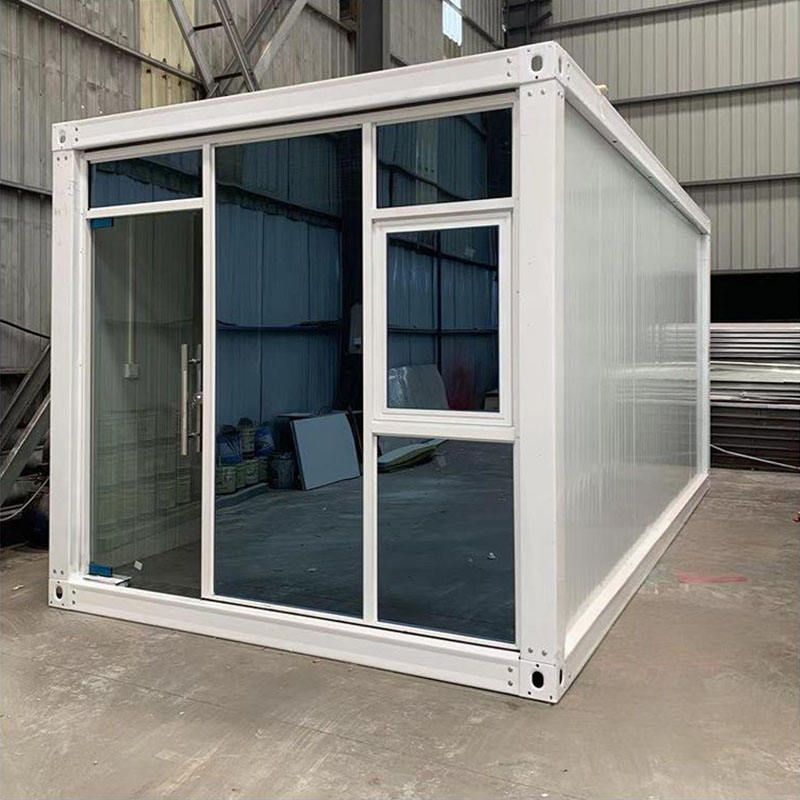
The type of invoice for mobile toilet sales should be determined based on the nature of the transaction, with the core criterion being whether it involves the sale of goods or the provision of services. If the essence of the transaction is the sale of physical mobile toilet equipment, regardless of whether the equipment is new or used, as long as ownership is transferred and payment is received, it constitutes a commodity sales activity. According to tax laws and financial regulations, such transactions should be invoiced with a commodity sales invoice, which should clearly indicate the equipment name, specifications, quantity, and amount to ensure legal compliance and facilitate tax audits.
If the mobile toilet is equipped with vending machines or sells related items (such as toilet paper, hand sanitizer, disinfectant, etc.), and consumers actually purchase these goods, separate invoices should be issued for the commodity sales portion. For example, if a company sells a mobile toilet and the vending machine inside sells toilet paper, the company needs to issue a commodity sales invoice for the sale of toilet paper, which should include key information such as the product name, unit price, and total price. Such practices not only comply with tax laws but also clearly distinguish between revenue from equipment sales and commodity sales.
It should be noted that if the transaction involving the mobile toilet only involves leasing services (such as charging usage fees on a daily or monthly basis) or providing additional services such as cleaning and maintenance with separate charges, it does not fall under the category of commodity sales. In such cases, a service invoice should be issued, clearly specifying the service content, service period, and charging standards. For example, if a company rents out mobile toilets and is responsible for regular cleaning, the rent and cleaning fees it collects should be invoiced separately as service invoices to avoid tax risks.
In summary, the type of invoice for mobile toilet sales should be strictly determined based on the nature of the transaction. Commodity sales activities must be invoiced with commodity sales invoices, while service provision activities require service invoices. Enterprises or individuals should combine specific business scenarios when operating to ensure that the invoice type aligns with the actual nature of the transaction, thereby maintaining financial compliance and avoiding tax disputes.



