
Mobile Toilet Safety Inspection Process
The mobile toilet safety inspection process covers multiple dimensions including structure, functionality, materials, environmental adaptability, user experience, and hygiene safety. The specific process is as follows:
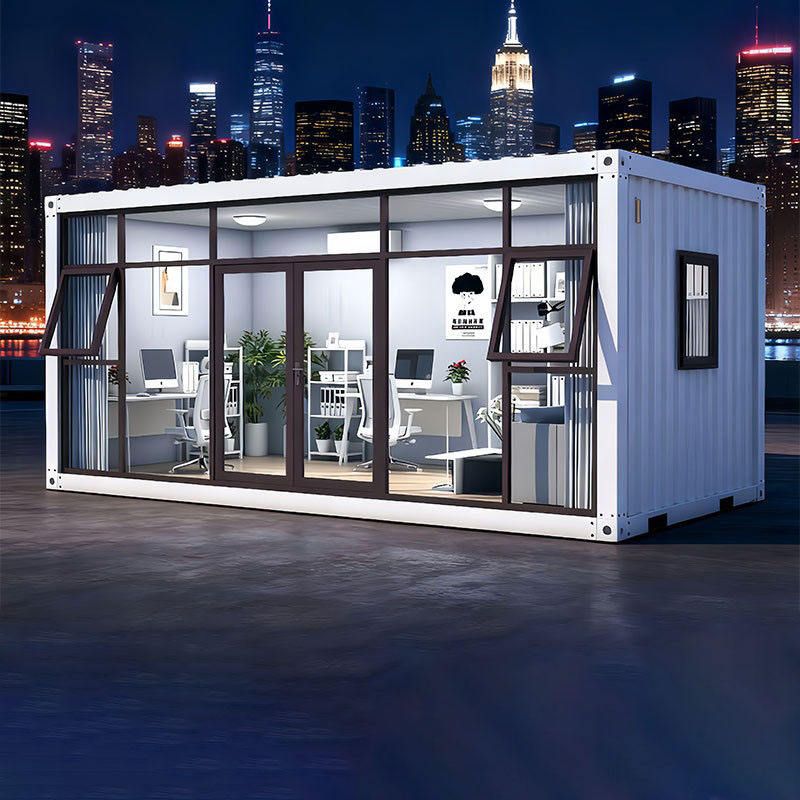
I. Structural Safety Inspection
- Building and Structure Verification: Use tools such as laser distance meters and steel tapes to sample and verify wall distribution, door and window dimensions, structural axes, and heights based on design drawings, ensuring the actual structure matches the design. Check structural stability with level gauges and distance meters to confirm no tilting, cracks, or deformation.
- Structural Damage Inspection: Conduct a comprehensive inspection of load-bearing components (such as steel beams and columns) for aging, deformation, and welding quality, focusing on abnormal joint connections. Use pressure testing equipment to simulate multi-person usage scenarios (e.g., loading 500kg/m² for 24 hours) to verify floor load-bearing capacity and structural stability.
- Safety Calculation and Analysis: Combine the "Building Structural Load Code" (GB50009-2012) with on-site data, using PKPM software to calculate structural load-bearing capacity and assess its safety under dead loads, live loads, wind loads, and seismic actions.
II. Functional Safety Inspection
- Sewage System Testing: Simulate multi-person usage (e.g., 10 people) to check for sewage pipe blockages. Fill the septic tank to capacity and observe for 24 hours for leakage, ensuring smooth sewage discharge and proper sealing.
- Water and Electricity System Testing: Continuously operate lighting, sockets, exhaust fans, and other equipment for 24 hours, monitoring voltage fluctuations (≤±5%). Conduct 500 open-close cycle tests on faucets and flush valves to confirm no faults and no loose or leaking connections.
- Ventilation System Testing: Measure internal ammonia concentration, which should drop to ≤10ppm within 30 minutes after ventilation is turned on. Test air exchange rates (≥6 times/hour) to ensure air quality standards are met.
III. Material and Environmental Safety Inspection
- Steel Performance Testing (Optional): Perform ultrasonic non-destructive testing on steel structure welds to test mechanical properties such as tensile and yield strength, providing data support for structural safety.
- Environmental System Testing: Check the actual water consumption of water-saving devices and the effectiveness of deodorization devices, using odor detectors to confirm no residual odors.
IV. Environmental Adaptability Testing
- Weather Resistance Testing: Cycle through high temperatures (60℃) and low temperatures (-20℃) for 72 hours each. After a salt spray test (5% NaCl solution, 48 hours), corrosion area should be ≤5%, ensuring no material aging.
- Waterproof Performance Testing: Simulate heavy rain (100mm/h rainfall) for 2 hours, checking for internal leakage and water accumulation depth (≤5mm).
V. User Experience and Hygiene Inspection
- Ergonomic Testing: Measure dimensions such as door frame height (≥2000mm) and蹲位 spacing (≥900mm). Ten testers simulate usage and rate it (≥4 points), ensuring compliance with the "Barrier-Free Design Code".
- Hygiene and Cleaning Testing: Use fluorescent markers to simulate stains, with a residual rate of ≤5% after cleaning, confirming surfaces are easy to clean and have no hygiene dead zones.
Inspection Tools and Precautions: Professional tools such as laser distance meters, pressure testing equipment, and odor detectors are required. Inspections should be carried out by professional agencies, combining on-site data to avoid theoretical model deviations. For high-risk or old toilets, it is recommended to include steel testing.



