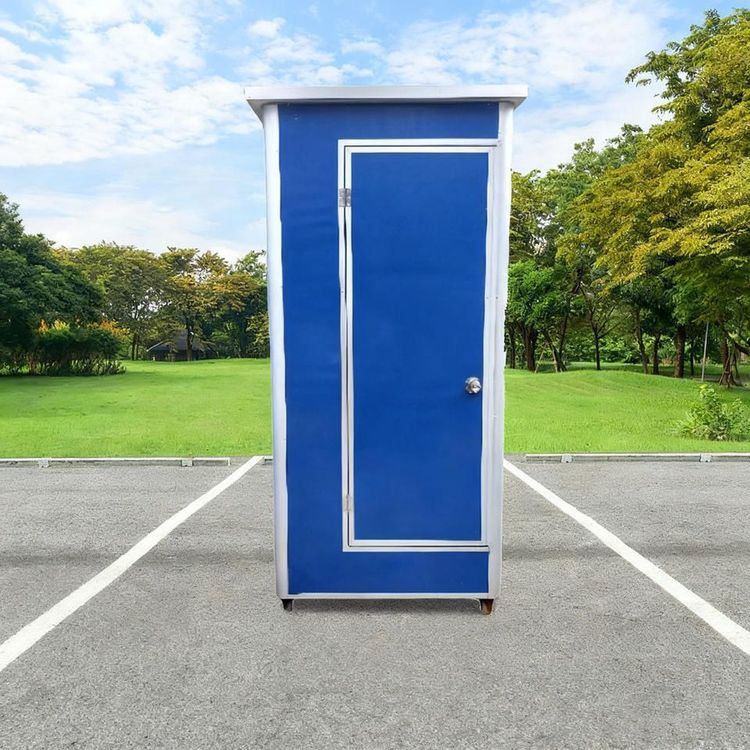
Mobile Toilets for Rural Areas in Winter
Mobile toilets can be used in rural areas during winter, with multiple suitable solutions available.

I. Bucket Toilet Seat Combined with Outdoor Toilets
A bucket toilet seat is an economical and practical option that can be combined with existing outdoor toilets in rural areas. Its core principle involves installing a toilet seat on a regular bucket to create a simple toilet setup. The advantages of this solution include low cost, easy installation, and effective resolution of safety issues related to using the toilet in winter. For example, in cold weather, users do not need to directly touch the cold ground or squat toilet, reducing the risk of slipping or frostbite. Additionally, the bucket can be regularly cleaned and replaced to maintain a hygienic environment. If wrapped with insulating materials (such as foam boards), the bucket can further reduce heat loss and enhance user comfort.
II. Converting Shower Tents into Mobile Toilets
Some shower tents can be transformed into winter mobile toilets through functional optimization. These tents typically use silver-coated, thickened fabrics that effectively block cold air from entering, while also featuring windbreak skirts to enhance sealing and reduce internal temperature loss. For instance, the silver coating can reflect thermal radiation, keeping the tent interior 5-10℃ warmer than the outside; the windbreak skirts, designed to fit closely to the ground, prevent cold air from entering from the bottom. Furthermore, the tent interior can be equipped with simple partitions or hooks for hanging warm clothing or placing sanitary products, improving practicality. When using such tents, it is important to choose an appropriately sized tent and ensure good ventilation to avoid odor accumulation due to confined spaces.
III. Specially Designed Insulated Mobile Toilets
For cold northern regions, there are specially designed mobile toilets on the market with walls constructed from insulating materials (such as polystyrene foam boards or rock wool boards) to effectively retain internal heat. For example, a certain brand of mobile toilet has walls 10 centimeters thick, combined with a double-glazed door design, maintaining an indoor temperature above 0℃ even when the outside temperature drops to -20℃, ensuring normal use. Additionally, these toilets are usually equipped with septic tanks or sewage pipes to prevent direct exposure of feces, reducing odors and pollution. Some high-end models also incorporate heating equipment (such as electric heaters or solar panels) to further enhance the winter user experience.
Summary
When using mobile toilets in rural areas during winter, it is essential to consider warmth, practicality, and cost-effectiveness. Bucket toilet seats are suitable for users with limited budgets; shower tent conversions offer flexibility and are ideal for temporary use; while specially designed insulated mobile toilets are more suitable for long-term needs or extremely cold regions. Users can choose the appropriate solution based on their conditions and pay attention to regular maintenance and cleaning to ensure hygiene and safety.