
Mobile Toilet for Rural Toilet Renovation
Mobile toilets are suitable for rural toilet renovation scenarios, offering advantages such as flexibility, convenience, and hygiene, making them a viable option for rural toilet renovation.
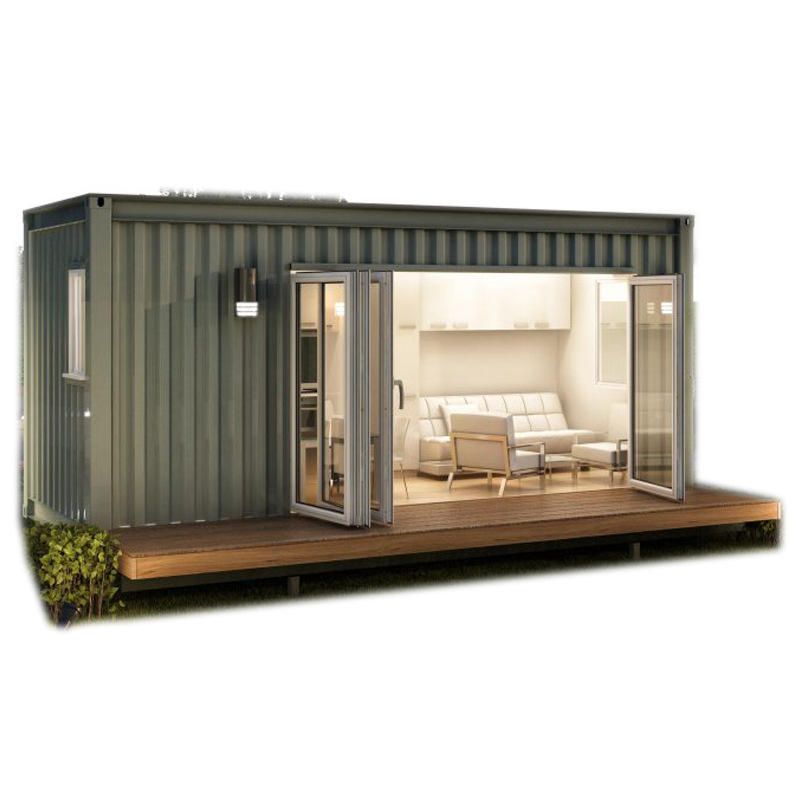
Composition and Functional Characteristics of Mobile Toilets
Mobile toilets typically consist of core components such as fecal sewage storage tanks (or disposal units), floor slabs, sanitary ware, and walls. Their design is primarily modular, with characteristics of mobility, combinability, and ease of transportation, enabling them to adapt to the scattered residential layouts and flexible usage needs in rural areas. For example, the Apple Cabin Grille-style mobile toilet launched by Dezhou Hongtu Metal Products Co., Ltd. achieves rapid installation and disassembly through standardized components, eliminating the need for complex infrastructure projects and significantly reducing renovation costs and time cycles.
Advantages of Mobile Toilets in Rural Toilet Renovation
- Resolving Traditional Rural Toilet Hygiene Issues
Traditional rural dry toilets are prone to breeding mosquitoes and flies, contaminating soil and water sources. Mobile toilets, on the other hand, effectively isolate excreta from the external environment through sealed fecal storage tanks or biochemical treatment units, reducing odor and pathogen transmission risks. Some models are also equipped with septic tanks or microbial degradation technology, enabling harmless treatment of feces and meeting rural sanitary toilet standards. - Adapting to Special Rural Environments
Rural areas have complex terrains and scattered populations. The mobility of mobile toilets allows them to be adjusted according to actual needs, avoiding toilet abandonment due to house renovations or land planning. Additionally, their lightweight structures (such as metal frames and eco-friendly panels) facilitate transportation, making them particularly suitable for remote or traffic-inconvenient villages. - Reducing Construction and Maintenance Costs
Compared to traditional brick toilets, mobile toilets do not require excavation or wall-building processes, resulting in shorter construction periods and lower labor costs. Post-maintenance only involves regular cleaning of storage tanks or replacement of degradation materials, which is simple and suitable for the current situation in rural areas lacking professional maintenance personnel.
Practical Application Cases and Promotional Value
Taking the Apple Cabin Grille-style mobile toilet as an example, it adopts a metal frame and grille design, balancing durability and ventilation, making it suitable for rural climatic conditions. This product has been piloted and promoted in multiple rural areas across the country, with feedback indicating that it significantly improves villagers' toilet experiences while reducing the risk of groundwater pollution. With the advancement of rural living environment improvement policies, the standardized and large-scale production of mobile toilets will further reduce costs, making them an important choice for rural toilet renovation.



