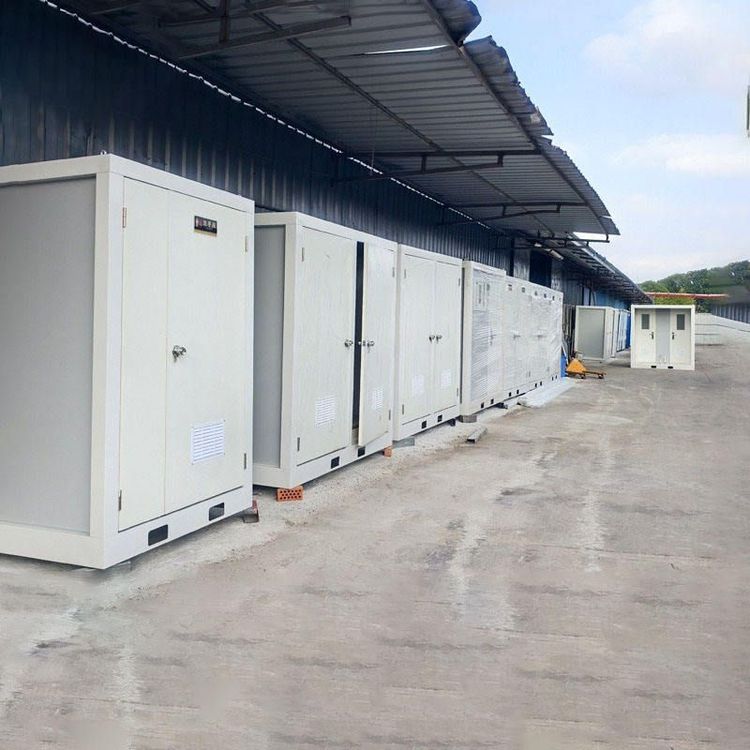
Mobile Toilet Roof Design
The roof design of mobile toilets typically employs gable roofs, octagonal roofs, or pointed structures, achieving waterproofing, wind resistance, and weather resistance through material selection and structural optimization. No relevant term 'dingbai' was found, suggesting it may be an input error.

Roof Shape and Drainage Design
The roof shape of mobile toilets is functionally oriented, with common designs including gable roofs, octagonal roofs, and pointed roofs. Gable and octagonal roofs accelerate rainwater drainage through their sloped structures, preventing water accumulation, making them particularly suitable for rainy regions. Their drainage slopes are typically greater than 15 degrees to ensure rapid water diversion. Pointed roofs further optimize drainage efficiency, with stainless steel sheet edging around the perimeter to enhance structural stability and improve appearance neatness.
Material Selection and Structural Layers
Roof materials and construction must balance thermal insulation, waterproofing, and weather resistance. A 50mm-thick insulation board is laid at the base layer, effectively isolating outdoor temperature fluctuations and enhancing internal comfort. The intermediate layer uses a 10mm-thick wood-based panel as the substrate, providing a flat surface for the subsequent waterproof layer. The core material of the waterproof layer is SBS modified bitumen membrane, known for its excellent elasticity and aging resistance, adapting to roof deformations. The outermost layer is covered with asphalt shingles, further enhancing weather resistance against UV rays and acid rain. High-end models may use metal embossed panels as roofing materials, maintaining a unified style with the container body while offering lightweight and corrosion-resistant advantages.
Structural Reinforcement and Sealing Treatment
To withstand strong outdoor winds, the overall roof structure is fixed through steel pipe welding, achieving wind resistance up to Level 8 to ensure stability during extreme weather. The connection between the roof and walls is sealed, using waterproof sealant or rubber sealing strips to fill gaps, preventing rainwater from infiltrating the interior and protecting electrical components and decorative materials. Additionally, gutters may be installed along the roof edges to direct rainwater away from the wall foundation, preventing ground moisture.
Maintenance Recommendations and Term Clarification
If the term 'dingbai' refers to roof maintenance, regular inspections of the waterproof layer's integrity are necessary, along with clearing debris from drainage channels to prevent blockages and water accumulation. For metal roofs, attention should be paid to rust and timely repainting for protection. Currently, there is no professional term 'dingbai' in the mobile toilet field. It is recommended to clarify requirements based on the above structural standards.