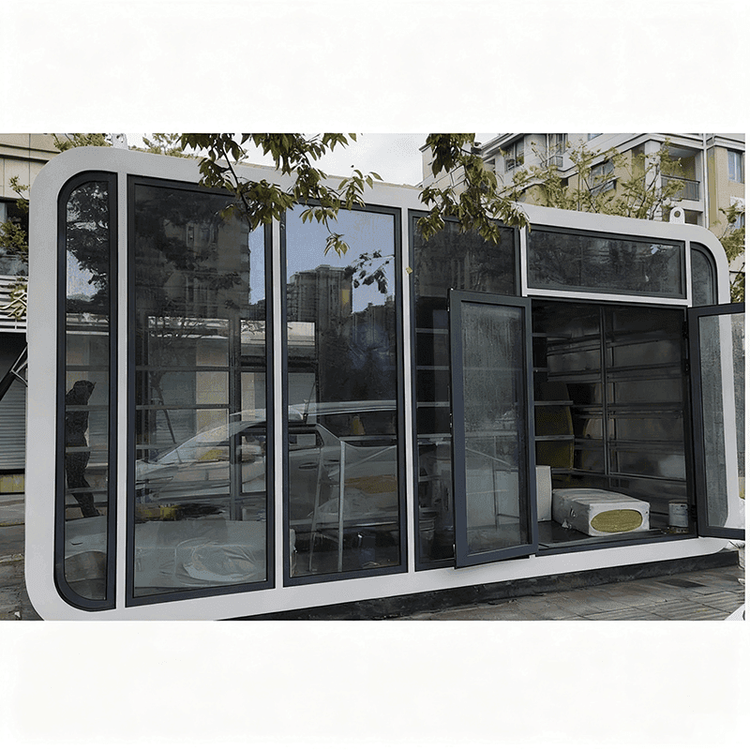
Mobile Toilet Revolution Policy
The current rural “toilet revolution” policy does not encourage the promotion of mobile toilets; instead, it explicitly prohibits the use of mobile dry latrines and focuses on supporting the construction of fixed, harmless sanitary toilets.
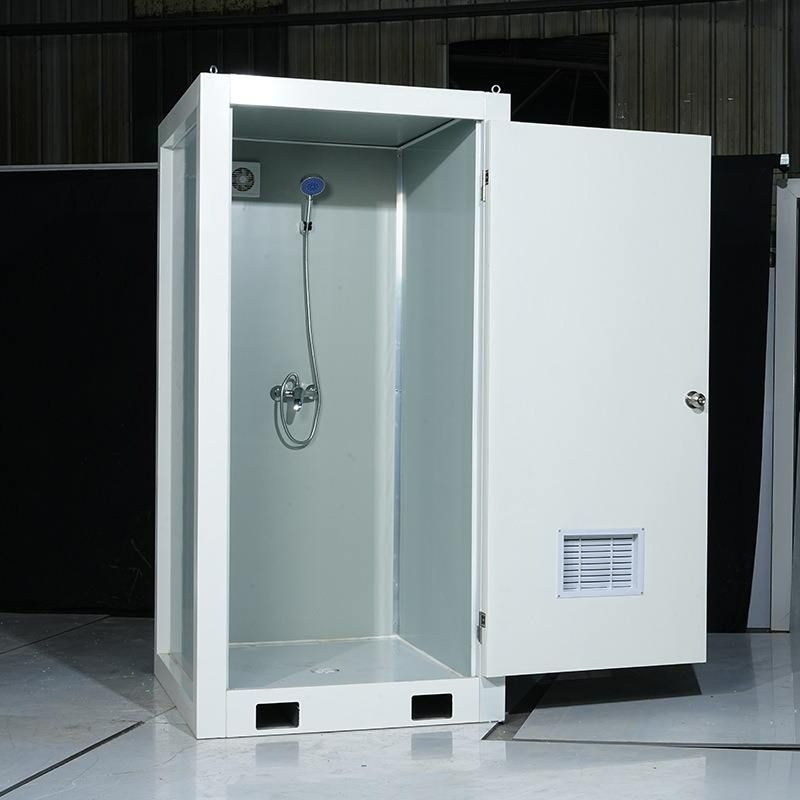
Policy Objectives and Principles: Quality First, Prohibiting Low-Quality Mobile Dry Latrines
The policy adheres to the core principle of “quality over quantity, effectiveness over speed,” emphasizing that toilet renovation should meet the satisfaction of rural residents as the standard. It prohibits the installation and use of mobile dry latrines with poor product quality, short service life, and high idle rates. For example, the 2023 implementation plan in Maojing Town explicitly requires the “prohibition of installing mobile dry latrines” to ensure that toilet renovation quality meets national standards. This regulation aims to prevent the renovation achievements from becoming superficial due to issues such as the easy damage and poor sanitary conditions of mobile dry latrines, thereby effectively enhancing the practicality and sustainability of rural sanitary toilets.
Classification and Promotion of Toilet Renovation Models: Fixed Toilets as the Main Focus, Excluding Mobile Dry Latrines
The policy promotes two types of fixed toilet models based on regional conditions:
- Water-flush Toilet Model: In urban areas and suburban regions covered by sewage pipelines, centralized sewer water-flush toilets are promoted; in villages with sufficient water supply capacity, three-chamber septic tank water-saving toilets are promoted.
- Dry Latrine Model: In northern cold and arid regions with scattered residences, single-tank direct-flow and composting sanitary dry latrines are promoted, but mobile dry latrines are explicitly prohibited.
Both models are based on fixed facilities and achieve harmless treatment or resource utilization of fecal waste through technological optimization, while mobile dry latrines are excluded due to their inability to meet sanitary and environmental protection requirements.
Financial Incentive Policy: Mobile Dry Latrines Not Included in Support Scope
Central financial incentives are based on administrative villages, requiring a household sanitary toilet普及率 (popularization rate) of over 85% and the achievement of harmless treatment or resource utilization of fecal waste. Sanitary toilets that do not meet the standards or use mobile dry latrines are not eligible for incentives. This regulation guides localities through economic means to prioritize the construction of standard fixed toilets and avoid wasting resources on low-quality mobile facilities.
Technical Standards and Supervision: Strengthening Construction Norms for Fixed Toilets
Toilet renovation must comply with national standards such as the “Technical Specifications for the Construction of Rural Three-Chamber Household Toilets,” clearly stating that toilet houses should preferably be “located inside courtyards or houses” and prohibiting low-quality facilities such as mobile dry latrines. For example, the Ganzhou Economic and Technological Development Zone requires newly built houses to strictly adhere to national standards for toilet renovation, improving the quality and effectiveness of newly renovated toilets. The unification of technical standards and the strengthening of supervision further ensure the long-term benefits of the toilet renovation project.