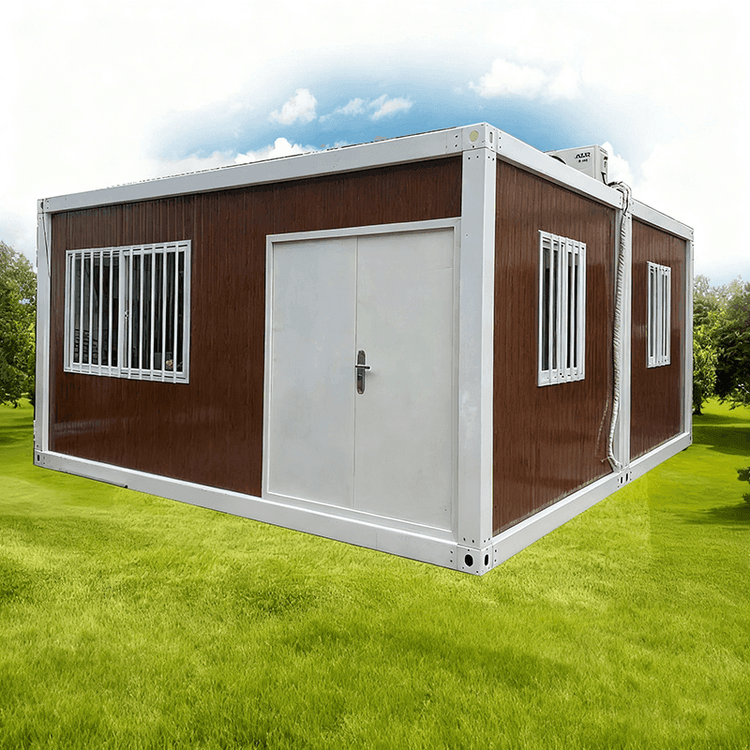
Mobile Toilet Restroom Structure
The structures of mobile toilet restrooms mainly fall into the following types:

The first type is the single-unit structure and composite structure divided by structural form. Single-unit mobile toilets are usually independent units with strong integrity, making them easy to transport and install. They are suitable for temporary or small-scale usage scenarios, such as outdoor events and construction sites. Composite mobile toilets are composed of multiple functional modules, allowing for flexible layout adjustments according to needs, such as adding management rooms or storage rooms. They are suitable for long-term use or places with high functional requirements, such as scenic spots and transportation hubs.
The second type is the structure with an integrally molded outer shell and a reinforced chassis. The outer shell of such mobile toilets is integrally molded from high-strength materials, providing good sealing and durability, effectively preventing leakage and the spread of odors. The reinforced chassis enhances overall stability, adapting to different terrain conditions. Inside, they are equipped with vacuum squat toilets that use air pressure differences for efficient flushing, resulting in significant water savings and reduced sewage production, facilitating subsequent treatment.
The third type is the steel-frame structure mobile toilet. Its main frame is welded from steel, providing a sturdy structure that can withstand large loads. It can be customized in size and shape according to design requirements, such as gabled roofs and curved walls, enhancing aesthetics. The walls are often decorated with metal carved panels, which have fire-resistant, moisture-resistant, and corrosion-resistant properties. Some designs also feature open hand-washing areas for user convenience and optimized space layout.
The fourth type is the structure made using water storage tanks and pallets. By fixing universal wheels at the four corners of the pallet bottom, mobility is achieved. The water storage tank, as the core component, is formed by cutting openings to create a tank structure for storing clean water and sewage. During installation, the tanks need to be stacked and fixed, and a doorway cut out. Inside, toilets, water pipes, faucets, washbasins, and other facilities are installed, and finally, a door is installed to complete the enclosure. This structure has a relatively low cost and is suitable for those with limited budgets or temporary needs, but regular cleaning of the water storage tank is required to maintain hygiene.