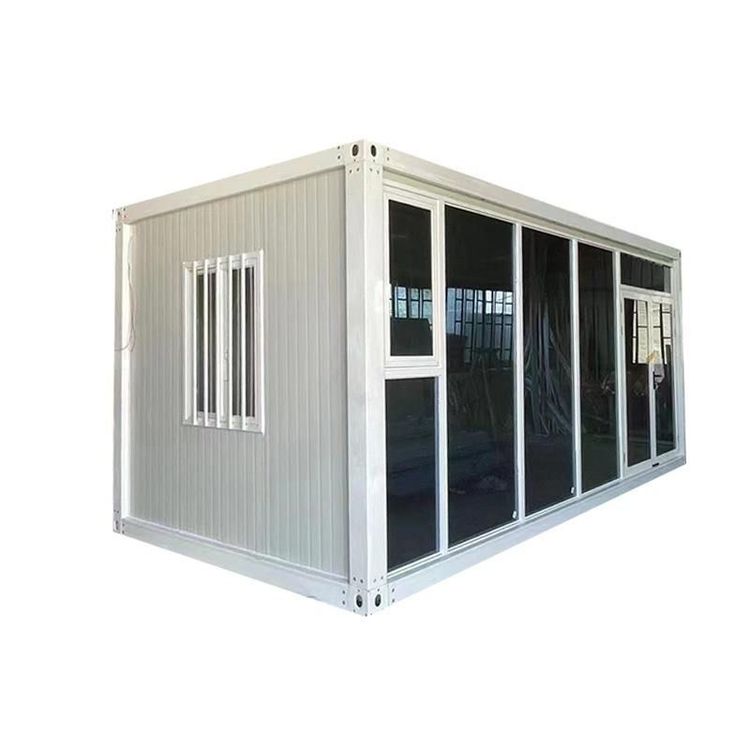
Mobile Toilet Research PPT
The creation of a 'Mobile Toilet Research PPT' can revolve around the following core content:

I. Classification and Positioning of Mobile Toilets Mobile toilets are one of the three major types of public toilets (independent, attached, and mobile). Their core feature is mobility, allowing flexible deployment in temporary event venues, tourist attractions, disaster relief sites, and other scenarios. This avoids resource waste caused by the demolition of fixed structures and meets long-term usage needs in areas with limited land resources.
II. Design Principles and Elements
General Design Principles
- Human-Centric Design: Must meet basic requirements such as cleanliness, hygiene, suitability, convenience, water conservation, and odor control, while also considering spatial comfort and cultural aesthetics.
- Functional Adaptability: Quantity and location should match foot traffic, facility layout should ensure smooth usage, and special needs (e.g., barrier-free facilities, child-specific equipment) should be accommodated.
- Sustainability: Use eco-friendly materials, optimize water recycling, and reduce energy consumption.
Specialized Design Elements for Mobile Toilets
- Site Selection: Balance accessibility and privacy, avoid disrupting the surrounding environment, and provide clear signage for easy identification.
- Humanized Details:
- Barrier-Free Design: Equip with sliding doors, horizontal handles, electric doors (controlled by buttons/sensors), emergency call systems, and alarm lights to ensure safe usage by individuals with disabilities.
- Child-Friendly Design: Sinks should be 0.50–0.55m in height and 0.40–0.45m in width, with faucet spacing of 0.35–0.4m; toilets should have 1.2m-high overhead partitions and child-sized handrails for hygiene and safety.
- Functional Area Connectivity: Internal pathways should remain unobstructed, avoiding narrow spaces or obstacles that hinder movement.
III. Product Advantages and Case Studies
Core Advantages
- Flexibility: Can be quickly disassembled and reassembled to adapt to changing needs.
- Cost-Effectiveness: Saves on land occupation costs and reduces investment in fixed structures.
- Practicality: Features a simple and elegant appearance with durable, easy-to-maintain internal facilities.
- Convenience: Can be used immediately after installation without complex construction processes.
Typical Case Study
- Dehuashe Public Toilet in Sun Moon Lake, Nantou County, Taiwan: Utilizes sliding doors, electric doors, and barrier-free design to cater to special populations, setting a benchmark for humanized mobile toilet design.
IV. Suggested PPT Structure
- Cover: Title 'Mobile Toilet Research Report' + Subtitle (e.g., 'Design, Applications, and Future Trends').
- Table of Contents: Classification and Positioning, Design Principles, Specialized Elements, Advantages and Cases, Summary and Outlook.
- Content Pages: Incorporate images, charts, and data (e.g., scenario usage percentages, cost comparisons) to enhance persuasiveness.
- Conclusion: Propose innovative directions (e.g., smart management, renewable energy applications).