
Mobile Toilet for Rescue
Mobile toilets are key facilities in rescue scenarios for ensuring public hygiene and enhancing rescue efficiency, meeting outdoor emergency needs through modular design and adaptive technology.
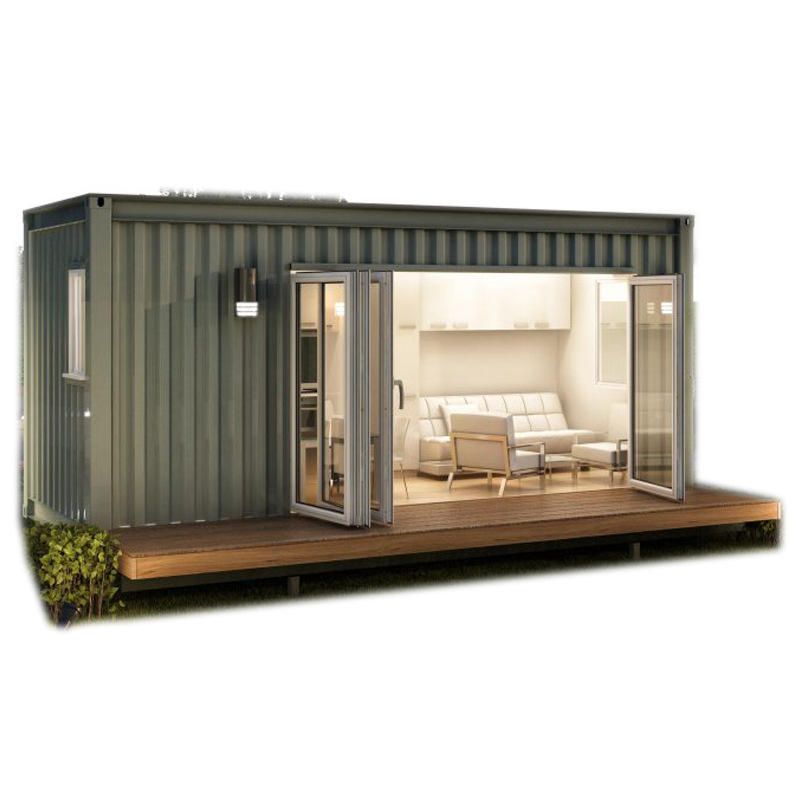
Technical Principles and Structural Adaptability
The main frame of mobile toilets is made of high-strength aluminum alloy or galvanized steel pipes, balancing structural stability and lightweight design for easy manual handling or mechanical hoisting to complex terrains (such as earthquake ruins and flood-inundated areas). The outer shell is made of UV-resistant and corrosion-resistant engineering plastics or fiberglass, capable of withstanding extreme weather conditions like heavy rain and high temperatures, thereby extending service life. The excreta treatment systems are divided into two categories: waterless flushing type decomposes excreta using biodegradation agents or chemical agents without the need for water, suitable for water-scarce areas; recirculating water flushing type is equipped with a small sewage treatment unit to purify wastewater for reuse, enhancing user comfort but requiring regular filter maintenance. The ventilation system is designed with natural vents on the top or side walls, with some models incorporating small exhaust fans to effectively reduce odor accumulation.
Core Roles in Rescue Scenarios
Blocking Pathogen Transmission Chains
Spatial isolation (e.g., away from living and medical areas) prevents environmental contamination from open defecation; biological isolation technology (storage tanks + chemical/biological treatment) temporarily seals excreta to prevent pathogen exposure; operational process isolation (professional waste removal procedures) ensures closed-loop waste treatment, cutting off fecal-oral transmission routes. For example, in flood relief efforts, uncontrolled management of excreta from dense populations can trigger intestinal diseases like cholera, and the deployment of mobile toilets can proactively mitigate such risks.Optimizing Rescue Resource Allocation
Uncontrolled excreta management can divert core rescue forces such as medical and supply delivery teams to address secondary disasters. Pre-deploying mobile toilets can prevent public health crises, allowing rescue resources to focus on initial disaster response (such as search and rescue, casualty evacuation), thereby enhancing overall efficiency.
Purchase and Support Recommendations
- Capacity Matching: Configure based on "1 toilet stall per 50 people per day" to avoid usage chaos due to insufficient stalls.
- Treatment Technology Selection: Prioritize waterless flushing type in water-scarce areas; choose recirculating water flushing type for scenarios with high hygiene requirements (such as medical rescue points).
- Transportation and Maintenance: Confirm if the product supports disassembly for transportation, with individual weights complying with logistics limits; biodegradable types require regular replenishment of agents, while recirculating water types need filter replacements, necessitating long-term cost assessments.
- Supporting Equipment: Synchronously configure mobile handwashing stations (providing running water for handwashing), generators or solar panels (for powering recirculating water systems), and anti-slip mats (to prevent slipping at entrances during rainy days), forming a complete hygiene support system.



