What is the Tax Rate for Mobile Toilet Rental?
The tax rate for mobile toilet rental varies depending on the type of tax, taxpayer status, and local tax regulations, and must be determined based on specific circumstances. Here is an analysis of specific tax types and rates:

1. Value-Added Tax (VAT)
VAT is a core tax for leasing businesses, with significant rate differences.
- General Taxpayers: If the leasing service is classified as 'tangible movable property leasing', the tax rate is usually 13%, though some regions (e.g., during the initial stages of the VAT reform pilot) may apply 17%. If classified as 'real estate leasing' (e.g., if mobile toilets are considered real estate), the tax rate is 9% (adjusted from the original 11%).
- Small-Scale Taxpayers: The levy rate is generally 5%, though regions under the VAT reform may apply 3% (which can be reduced to 1% under tax incentives).
- Special Cases: In some regions or business models, the VAT rate may be levied at 6% (e.g., within the scope of modern service industries), subject to local tax interpretations.
2. Real Estate Tax
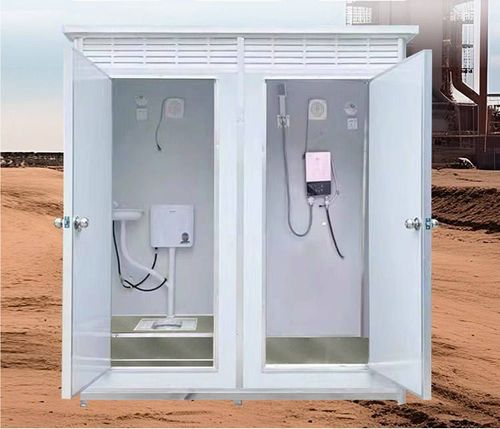
If mobile toilets are classified as 'real estate' by tax authorities (e.g., if they are permanently installed and have residential functions) and the lessor owns the property rights, real estate tax must be paid based on rental income at a rate of 12%. However, in practice, there is controversy over whether mobile toilets qualify as real estate, subject to interpretation by local tax authorities.
3. Personal Income Tax
- Business Income: If the leasing activity is considered individual business or corporate operation, the progressive tax rate of 5%-35% applies, with specific rates calculated in segments based on taxable income.
- Property Rental Income: If the lessor is an individual, personal income tax is generally levied at a rate of 20%, though some regions may have special regulations for individuals leasing non-residential properties (e.g., mobile toilets).
4. Stamp Duty
Both parties to the lease must pay stamp duty at a rate of 0.1% of the lease contract amount, borne by each party respectively. For example, if the contract amount is 100,000 yuan, each party must pay 100 yuan in stamp duty.
Notes
- Regional Differences: Tax interpretations of mobile toilets may vary by region (e.g., whether considered real estate, applicable tax rates), subject to interpretation by local tax authorities.
- Taxpayer Status: Significant differences exist in tax rates and levy rates between general taxpayers and small-scale taxpayers, necessitating appropriate tax payment methods based on business scale.
- Policy Updates: Tax policies may be adjusted over time (e.g., VAT rate reductions, tax incentive extensions). It is advisable to consult local tax authorities or professional lawyers before leasing to ensure compliance with tax regulations.