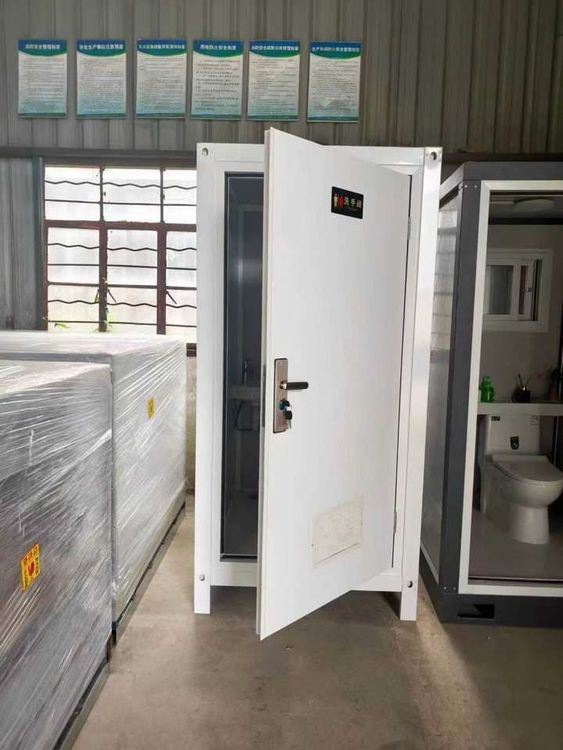
Is Mobile Toilet Rental Reliable?
Mobile toilet rental is generally reliable, but it requires a systematic assessment from three aspects: technical adaptability, management standardization, and emergency preparedness. Its reliability depends on the equipment composition, usage conditions, maintenance mechanisms, and the professionalism of the service provider. The following key points should be considered:

I. Equipment Composition Determines Basic Performance
Mobile toilets are integrated devices with core modules including a water storage system (physical separation of clean water and wastewater tanks), a wastewater treatment unit (biodegradation or chemical decomposition technology), a ventilation device (to regulate air pressure and deodorize), and a structural frame (made of aluminum alloy or fiberglass-reinforced plastic). Technical adaptability requires ensuring that all modules work together efficiently. For example, in low-temperature environments, the metabolic rate of biological flora decreases by more than 30%, necessitating insulation design or adjustments to the frequency of bacterial agent supplementation to maintain treatment efficiency. For installations on sloped terrain, leveling devices must be added to prevent blockages in the wastewater drainage pipes.
II. Usage Conditions Affect Operational Stability
Geographical location, climate, foot traffic density, and power supply are key variables. Slopes exceeding 5 degrees require an assessment of the risk of tilted wastewater drainage pipes; low-temperature environments may reduce the activity of biological treatment, necessitating the installation of heating devices or a switch to chemical decomposition technology; deep cleaning is required after every 200-300 uses to prevent bacterial overgrowth (the acceptable standard is ≤10 colony-forming units per square centimeter); sites without power supply need to be equipped with solar power systems or large-capacity batteries to ensure the normal operation of ventilation, lighting, and other equipment.
III. Maintenance Mechanisms Ensure Long-Term Reliability
Daily operations require establishing a dual system of periodic maintenance and emergency response. Periodic maintenance includes replenishing biological active agents every 72 hours, regularly cleaning the septic tank, and unclogging pipes; emergency response requires clear channels for fault reporting, a schedule for deploying backup equipment (e.g., arriving on-site within 4 hours), and temporary alternative measures. Hygiene monitoring should cover both visible cleanliness and microbial testing to prevent cross-infection risks.
IV. Qualifications of Service Providers and Contract Terms
Legitimate merchants must hold three certificates: equipment operation certification, wastewater treatment permit, and site safety assessment, and operators should possess special equipment operation certificates. The contract should specify equipment performance parameters (such as wastewater treatment efficiency), response time standards, and detailed liability clauses, while being cautious of low-price traps (which may include additional costs for transportation, cleaning, etc.). The scope of services should confirm whether it includes transportation, installation, maintenance, and disinfection services (such as daily disinfection and provision of hand sanitizer and other consumables).
V. Rental Considerations
Prioritize products with reliable equipment quality, no odors, and smooth flushing to avoid damage caused by inferior materials; carefully review contract terms to clarify rental duration, quantity, costs, and liability for breaches to prevent hidden charges. By comprehensively evaluating technical adaptability, management standardization, and emergency response capabilities, the reliability of mobile toilet rental can be significantly improved.