
Mobile Toilet Rental Operation
Mobile toilet rental operation is a temporary sanitation facility supply model based on modular prefabrication technology and logistics scheduling, featuring rapid deployment, flexible adaptation, and intelligent management.

Operational Characteristics and Technical Systems
Mobile toilets are molded in one piece using high-strength polymers or fiberglass-reinforced plastic, integrating ventilation, lighting, flushing, and wastewater collection systems. Over 90% of the prefabrication is completed in the factory, requiring only connection to water supply and drainage pipes and electricity on-site for use. Its technical system includes three core designs:
- Water Supply System: Equipped with dual interfaces for self-contained water tanks and municipal water supply, along with water level sensors and anti-freeze devices to adapt to different environmental conditions.
- Sewage Treatment System: It employs two technical paths: vacuum negative pressure collection (transporting sewage through air pressure differences) and biochemical treatment (microorganisms decompose organic matter and reduce tank volume).
- Environmental Control Unit: Integrates temperature regulation, air circulation, and odor control modules, with an independent power supply design to ensure stability.
Service Process and Equipment Maintenance
Service providers monitor data at rental sites in real-time through IoT sensors and predict peak demand by combining historical models, enabling the completion of the entire process from demand confirmation to equipment deployment within 48 hours. Equipment maintenance is divided into periodic services and emergency responses:
- Periodic Services: Emptying of septic tanks, replenishment of disinfectants, and inspection of mechanical components are carried out every 72 hours.
- Emergency Responses: For issues such as pipe blockages and door lock failures, maintenance personnel arrive on-site within 2 hours with standardized kits to make repairs. All records are entered into a digital system to form an equipment lifecycle archive.
Cost Composition and Applicable Scenarios
Fees are calculated based on equipment specifications, usage duration, and additional services. Basic fees cover depreciation, transportation, and basic maintenance, while additional fees include anti-freeze treatment, high-frequency cleaning, or custom logo installation. The applicable scenarios are wide-ranging:
- Short-term outdoor events: Such as markets and sports events, requiring rapid evacuation.
- Construction sites and temporary office locations: Requiring long-term use and comprehensive sewage treatment solutions.
- Emergency situations: Such as natural disasters, where equipment uses solar power and waterless flushing designs to cope with infrastructure disruptions.
Technological Evolution Directions
In the field of materials science, research is being conducted on biodegradable composite materials and photocatalytic self-cleaning coatings to reduce environmental loads. In terms of intelligent systems, the application range of touchless sensing technologies (such as automatic door opening/closing and flow monitoring) is expanding, potentially improving water recycling rates in the future.
Currently, companies such as Shanghai Xuhu and Huajie Ecology provide nationwide coverage services, supporting scenarios such as marathons, construction sites, and scenic spots, with a minimum rental period of 1 day and offering one-stop services including installation, cleaning, and waste removal.
You may also like
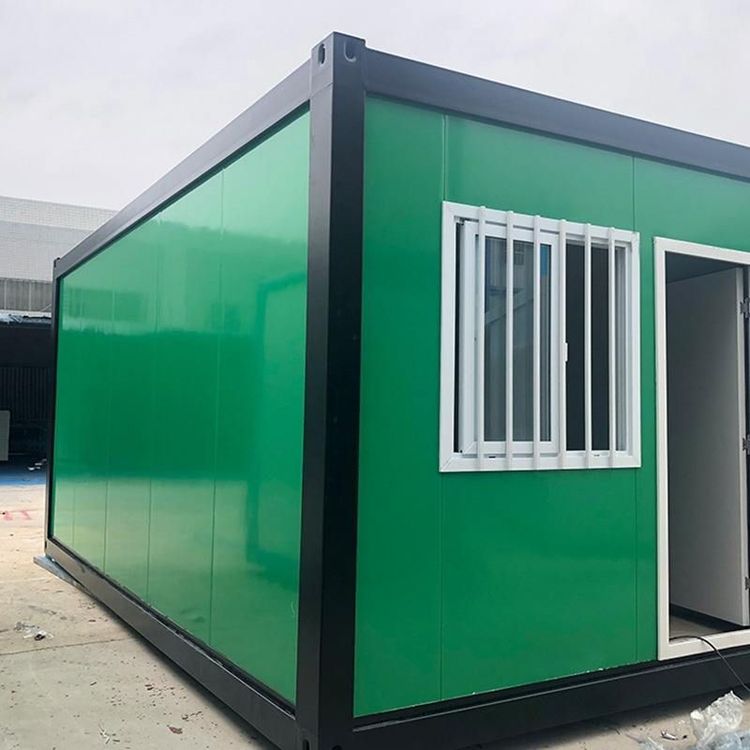
Portable Toilet Container in 2026: Buying Guide & Recommendations
Read More
Portable Toilet Color Steel Custom & OEM: Design & Bulk Production Guide
Read More
Portable Toilet Color Steel: Top Options & Considerations
Read More