
Back to blog
Article
Mobile Toilet Rental Emergency Support
Admin October 08, 2026
Mobile toilet rental emergency support requires a comprehensive implementation from multiple dimensions, including facility selection, deployment planning, public health management, technical support, and emergency response.
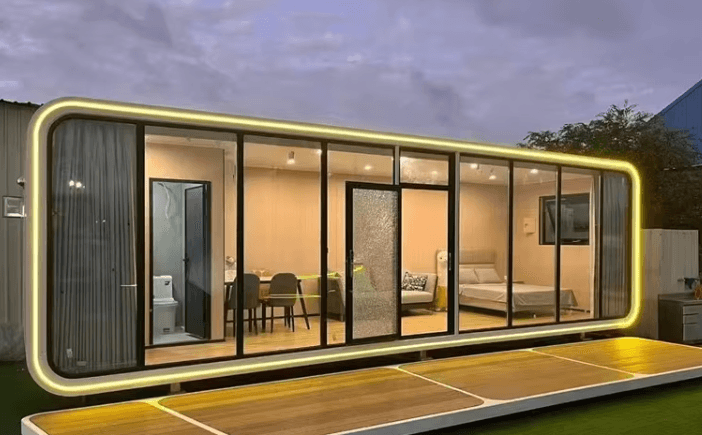
I. Facility Function Classification and Selection Adaptation Based on differences in usage scenarios, mobile toilets are classified into three types:
- Basic Sewage Discharge Type: Relying on external cleaning and transportation for disposal, suitable for short-term fixed locations (such as music festivals and sports events). It is necessary to plan the collection and transportation routes for waste in advance.
- Water-saving Recycling Type: Achieving water resource reuse through internal processing units, commonly found in water-scarce areas or long-term deployment settings (such as construction sites and temporary residential areas), reducing water dependency.
- Integrated Multi-functional Type: Integrating handwashing, lighting, barrier-free facilities, etc., to meet the needs of specific groups (such as the elderly and disabled individuals), suitable for high-end events or emergency rescue sites.
II. Deployment Modes and Spatial Planning
- Temporary Events: Adopting a high-density cluster layout, emphasizing rapid setup and removal. For example, at the Luohe concert, it was required to reserve a 1.2-meter-wide emergency passage for every 5 units of single-row toilets, with double-row passage widths ≥ 1.5 meters. The passage locations should avoid the audience's line of sight and walking routes.
- Regular Deployment Points: Focusing on facility stability, maintenance convenience, and environmental harmony. For instance, during the closing ceremony of the 15th National Games, the Bao'an District of Shenzhen required one cleaning staff member for every 5 mobile public toilets, along with coordinated planning of power, fire protection, and waste transfer facilities.
III. Public Health Management and Technical Support
- Hygiene Prevention and Control: Blocking pathogen transmission through sealed waste storage, regular disinfection, etc. The cleaning frequency and waste disposal procedures directly affect the effectiveness. For example, the rental service in Jiangmen uses eco-friendly materials and advanced cleaning technologies to ensure facility hygiene standards.
- Technical System Synergy: The sewage discharge system needs to balance capacity and cleaning frequency; the ventilation system needs to prevent odor accumulation; when there is no external access to water and electricity, solar power, rainwater collection, or chemical degradation technologies are used to enhance the autonomous operation cycle. During the closing ceremony of the 15th National Games, the public toilets were equipped with intelligent facilities such as air purification systems and down-draft negative pressure systems to strengthen environmental control.
IV. Emergency Response and Resource Allocation
- Plan Integration: Incorporating mobile toilets into the urban emergency material management system, establishing a supplier directory, transportation capacity assessment, and deployment location list.
- Modular Operation: In emergency scenarios, quickly assessing demand scale, selecting appropriate models, and planning hygiene routes to prevent secondary public health issues. For example, after natural disasters, priority is given to deploying water-saving recycling or integrated multi-functional toilets, taking into account resource conservation and the needs of special groups.
Related



