Prospects of Mobile Toilet Rental Companies
The prospects of mobile toilet rental companies are relatively broad, with multiple development advantages and potential.
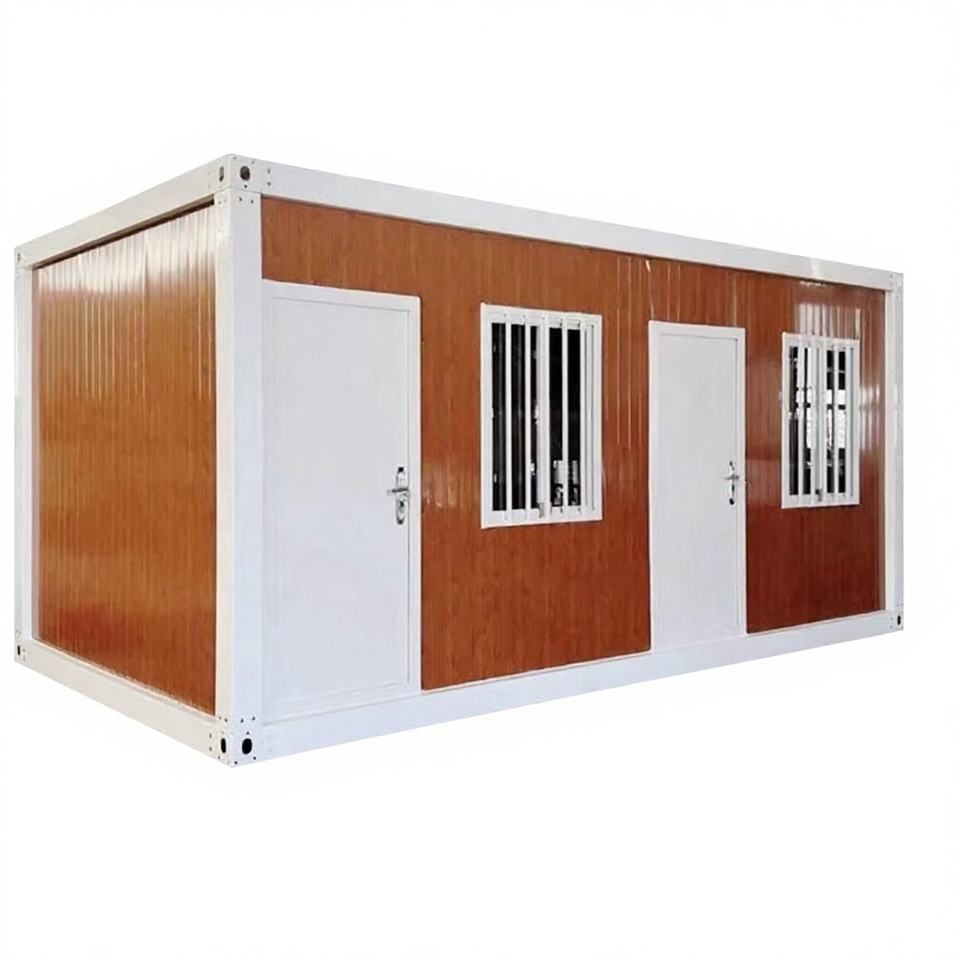
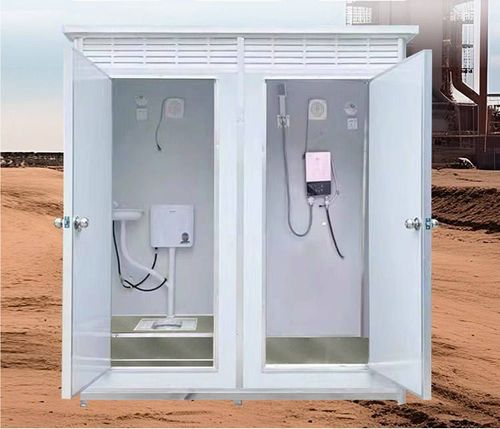
I. Rigid Demand in Multiple Scenarios Mobile toilet rental services cover a variety of scenarios, including construction sites, cultural and tourism attractions, municipal emergency response, mines, and remote areas. Construction sites require long-term and stable rentals due to legal regulations, ensuring stable payment collection. Short-term events such as cultural and tourism attractions and music festivals see a surge in demand during peak seasons, offering significant room for price premiums. Municipal emergency scenarios involve government procurement projects for urban renovation and flood prevention and disaster relief. In mines and remote areas, where there is no sewer network, there is strong demand for ecological mobile toilets (such as microbial degradation and packing-type toilets).
II. Continuous Policy Support Policies such as the "Toilet Revolution," urban public toilet upgrades, and rural living environment improvements drive the development of modular and movable public toilets. Regulations explicitly require construction sites and large-scale events to be equipped with mobile toilets, with penalties for non-compliance. Additionally, sanitation projects are increasingly adopting a light-asset model of "rental + operation and maintenance," further reducing corporate operating costs and enhancing market acceptance.
III. Industry Trends and Technological Innovation Environmental protection, intelligence, and high-endization have become the mainstream directions of the industry. Traditional simple plastic toilets have limited profit margins, while new types of mobile toilets, such as those powered by solar energy, featuring waterless ecological treatment, foam sealing technology, and IoT monitoring, are more competitive in the market. These products not only meet environmental protection requirements but also enhance user experience through intelligent management, satisfying high-end market demands.
IV. Market Size and Regional Potential In 2024, the industry's market size reached 15 billion yuan, a year-on-year increase of 15%, primarily driven by government investment, rising urban population density, and increased demand for temporary events. First-tier cities (such as Beijing, Shanghai, Guangzhou, and Shenzhen) account for 35% of the market, while new first-tier cities (such as Chengdu and Hangzhou) have growth rates exceeding 18%. Second- and third-tier cities show significant growth potential. The customer base is diverse, with government agencies (52%), construction companies (28%), and commercial event organizers (20%) constituting the main purchasing groups, and application scenarios continue to expand.
V. Service Models and Corporate Competition Short-term rentals (for event durations) and long-term rentals (for construction sites) coexist, with short-term rentals accounting for 58% in 2024, highlighting the role of the event economy in driving industry growth. There are over 2,500 companies in the market, but market concentration is low. Leading companies are gradually increasing their market share through equipment standardization, service professionalization, and regional network layout, with the competitive landscape evolving towards standardization.