
Mobile Toilet Rental Company Process
The process of a mobile toilet rental company typically includes seven steps: clarifying rental needs, contacting suppliers and getting quotes, signing rental contracts, conducting on-site surveys and confirming plans, delivering and installing, maintaining during use, and starting up and testing. Details are as follows:
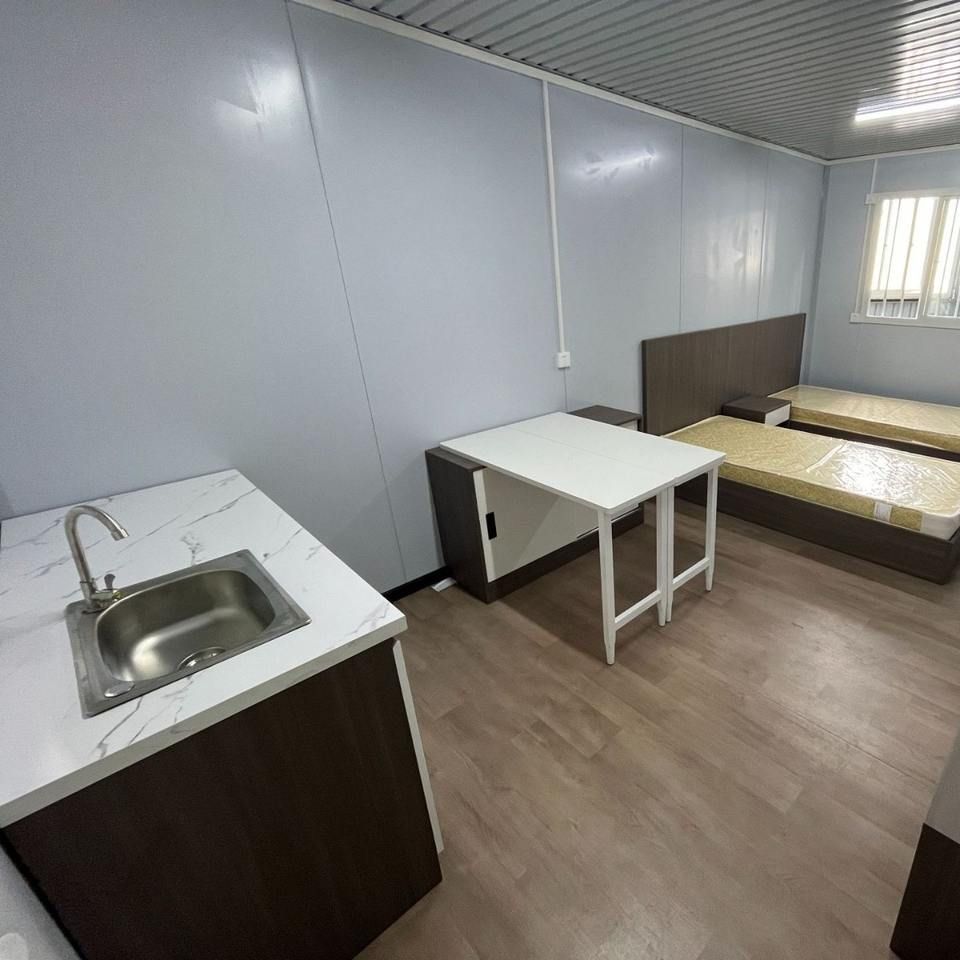
Clarifying rental needs: Key parameters need to be determined according to the usage scenario, including the number of users, rental duration, event location, and special configuration requirements. For example, a wedding with 200 people requires renting 3-4 ordinary mobile toilets, while construction sites should prioritize durable units with sinks. For special scenarios such as barrier-free events, barrier-free facilities should be provided, and for scenarios with high environmental requirements, water-recycling treatment toilets should be selected.
Contacting suppliers and getting quotes: Contact at least 2-3 rental companies via phone, official websites, or offline channels and provide detailed requirements to obtain initial quotes. Legitimate companies will provide equipment pictures, technical parameters, and service lists. It is necessary to focus on comparing price transparency, the newness of the equipment, and service response speed to avoid hidden charges.
Signing rental contracts: The contract should clearly specify the rental quantity, unit price, delivery time, service scope (including transportation, installation, and cleaning frequency), and liability for breach of contract. For example, the contract should stipulate plans for adding equipment when the number of users temporarily increases and clauses for service adjustments due to force majeure such as weather conditions.
Conducting on-site surveys and confirming plans: The rental company sends personnel to conduct on-site inspections of the site conditions, including the location of power interfaces, ground bearing capacity, and drainage slope. Design equipment placement plans according to the event flow. For large-scale events, provide floor plans for approval by the organizers to ensure that they do not block fire exits or affect pedestrian flow.
Delivering and installing: Complete equipment transportation on schedule and use professional lifting equipment to ensure safe placement. After installation, test the pressure of the flushing system, lighting brightness, and ventilation efficiency. High-end equipment should be equipped with value-added services such as aroma systems and automatic paper-changing devices, and post usage instructions and emergency contact numbers.
Maintaining during use: The rental company conducts cleaning and maintenance according to the frequency specified in the contract, including replacing toilet paper, disinfecting toilet seats, and cleaning waste liquid tanks. During the event, arrange for dedicated personnel to be on-site to promptly handle equipment failures or sudden needs and ensure that hygiene standards meet the requirements of the 'Urban Public Toilet Hygiene Standards'.
Starting up and testing: After installation, conduct a triple check: structural stability test (simulating shaking in a 5-level wind), functional integrity test (flushing the toilet more than 3 times), and safety protection test (checking non-slip floors and emergency call devices). The connection of water and electricity should be operated by certified electricians, and the tightness of the pipes and the insulation performance of the circuits should be tested.



