
Mobile Toilet Rental Agreement
The mobile toilet rental agreement typically includes core clauses such as the leased item, rights and obligations of both parties, rental fees, liability for breach of contract, termination of the agreement, and dispute resolution. The specific content is as follows:
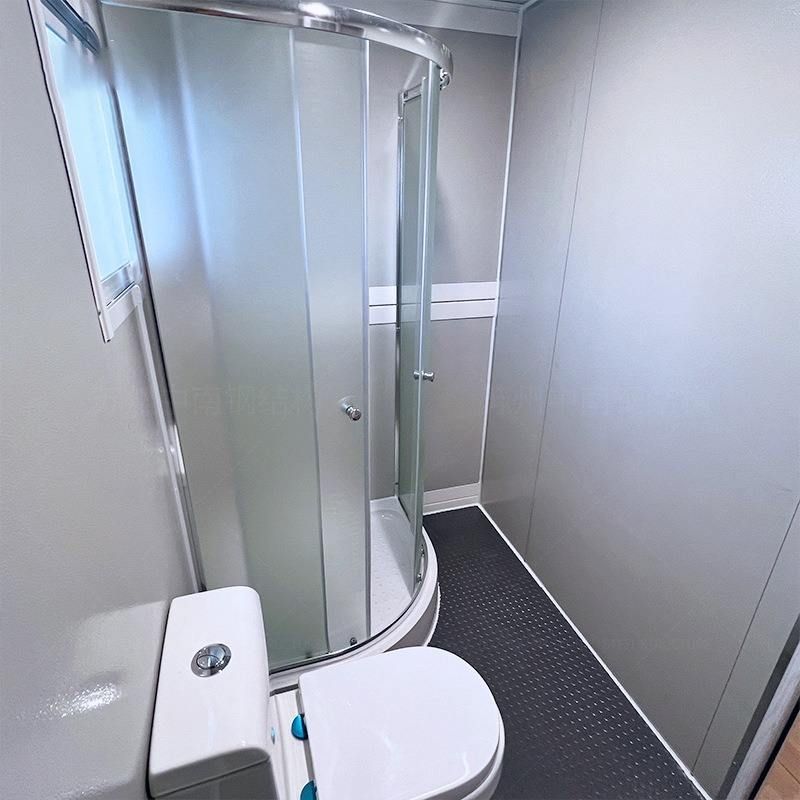
I. Leased Item and Service Description
The agreement must specify the specifications of the mobile toilet (e.g., single or multiple stalls), quantity, model, color, and internal facilities (e.g., sinks, squat toilets, urinals, toilet paper holders, ventilation systems). It should also outline the rental period (start and end dates), usage location, and specific arrangements for transportation, installation, dismantling, and commissioning services provided by the lessor. For example, short-term event rentals may require installation one day before the event and removal within 24 hours after the event ends.
II. Rights and Obligations of Both Parties
- Lessor's Obligations: Provide mobile toilets that meet national hygiene standards, undertake equipment maintenance, regular cleaning (e.g., daily disinfection, weekly deodorization), and fault repairs to ensure proper functioning of the facilities.
- Lessee's Obligations: Pay rent and deposit as agreed, use the equipment reasonably (prohibiting dumping debris or damaging the structure), provide access conditions at the site (e.g., clearing obstacles), promptly notify the lessor of faults for repair, and return the equipment in good condition after the rental period ends.
III. Rental Fees and Payment Methods
- Rent Standard: Calculated on a daily, monthly, or annual basis, with clear unit prices and total amounts (e.g., '500 yuan per day, totaling 5000 yuan for a 10-day rental').
- Payment Cycle: Such as monthly advance payments or a lump-sum payment after the rental period ends.
- Deposit Clause: The lessee must pay a deposit at the time of signing the agreement (usually 1-3 months' rent), which will be refunded after deducting any damage costs upon the end of the rental period.
IV. Liability for Breach of Contract
- Lessor's Breach: Failure to provide equipment or services as agreed requires payment of a penalty (e.g., 20% of the daily rent) and compensation for losses.
- Lessee's Breach: Failure to pay rent on time incurs a penalty of 0.5% of the unpaid amount per day of delay; unauthorized alterations to the structure or damage to the equipment require payment of repair costs and market-value compensation.
V. Termination of the Agreement
The agreement automatically terminates upon the end of the rental period or due to serious breach by one party (e.g., rent arrears exceeding 15 days). After termination, the lessee must return the equipment and clear personal belongings; failure to do so incurs a daily occupancy fee.
VI. Dispute Resolution
If both parties fail to reach an agreement through consultation, they may file a lawsuit with the people's court at the lessor's location.
VII. Other Clauses
The agreement takes effect upon the signatures and seals of both parties and is made in duplicate; for long-term rentals (e.g., exceeding one year), rent adjustment mechanisms (e.g., floating based on the CPI index) or equipment upgrade clauses may be agreed upon.
Tip: The agreement content should be adjusted according to the actual scenario. For example, long-term use on construction sites requires additional safety responsibility clauses, while short-term events like music festivals require clear service response times during peak hours. It is recommended to check the equipment list and take photos to record the initial condition before signing the agreement.



