
Mobile Toilet Renovation - Toilet
The renovation of mobile toilets requires comprehensive consideration of materials, structure, sewage treatment methods, configurations, and other aspects. One can also refer to folk cases for personalized renovation.
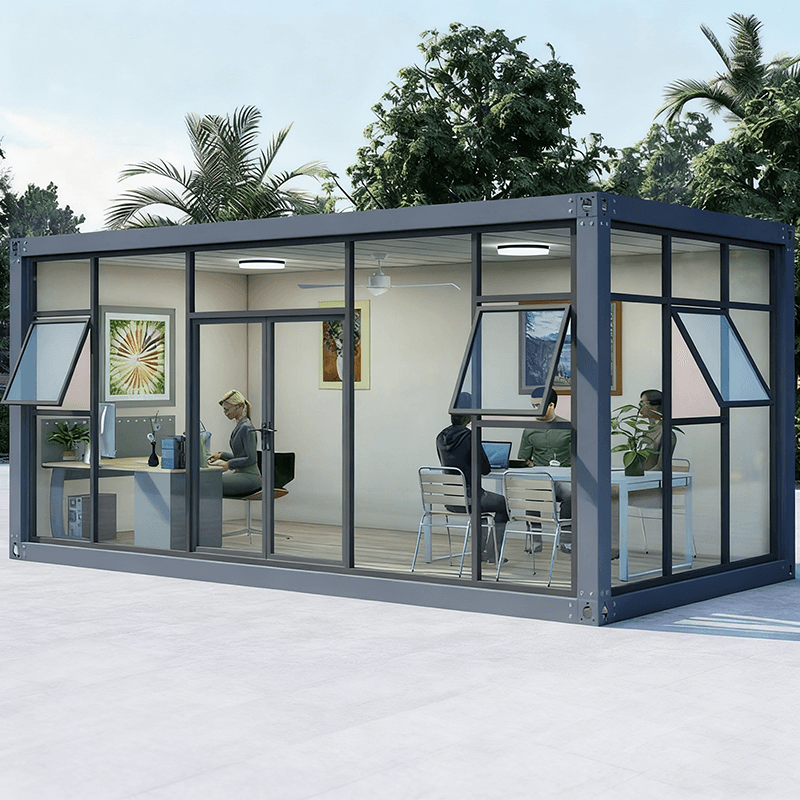
Materials and Structure
Mobile toilets were initially made of wood and later developed to use materials such as fiberglass-reinforced plastic and polyethylene. The frame can be welded using national standard steel, with the surface covered with anti-corrosion and fire-resistant materials such as color-coated steel sheets or carved panels, providing a service life of over 20 years. The exterior wall materials can also be selected according to needs or the surrounding environment of the usage location, including color-coated steel sheets, metal carved panels, anti-corrosion wood, stainless steel sheets, and aluminum-plastic panels. The main structure is welded using national standard light steel keels to meet the requirements for overall hoisting. During renovation, appropriate materials and structures can be selected based on actual needs and budget to ensure the stability and durability of the toilet.
Sewage Treatment Methods
Mobile toilets are classified into various types based on sewage treatment methods. Water-flush and non-water-flush suction types are relatively common; circulating water-flush types are equipped with intermittent aerobic and anaerobic fecal sewage treatment devices, adding biological strains and using biofilm technology to accelerate decomposition. The treated water can be recycled for flushing; dry-pack types have no water-flush devices, with excreta collected by biodegradable plastic bags, which are automatically replaced and collected for centralized treatment after use. In addition, there are foam-blocking types, packing types, water-saving flush types, water-free rechargeable types, microbial types, and other technical types. During renovation, an appropriate sewage treatment method should be selected according to the usage scenario and environmental protection requirements.
Configurations
The standard configurations of mobile toilets include commodes (urinals), coat hooks, vanity mirrors, waste paper baskets, lighting fixtures, exhaust fans, door locks, and occupancy indicator lights. Optional configurations include heating and cooling air conditioners, air purifiers, anti-freezing systems, heating systems, background music, washbasins, and water-saving faucets. During renovation, appropriate configurations can be selected based on actual needs and usage scenarios to enhance the comfort and convenience of the toilet.
Folk Renovation Cases
One young man used a water storage tank and a pallet to make a movable toilet, fixing universal wheels at the bottom of the pallet, placing the water storage tank, and installing a toilet, faucet, and washbasin. Another young man used several buckets to create a movable toilet, installing universal wheels on a wooden base, placing cut buckets, installing bucket lids and wooden doors, and connecting drainage pipes and floor drains. These cases provide creativity and inspiration for the renovation of mobile toilets and can be used for reference and improvement according to actual situations.



