Mobile Toilet Renovation Sequence
The renovation sequence for mobile toilets can be divided into five stages: design, material selection, construction and installation, application of eco-friendly techniques, and daily maintenance. The specific process is as follows:
I. Design Phase
Targeted planning should be carried out based on the climatic characteristics of the usage scenario. For example, in Shaanxi, where winters are cold and summers are rainy, the following elements should be prioritized during design:
- Wall Materials: Use materials with good thermal insulation properties (such as polystyrene boards or rock wool boards) to reduce indoor heat loss.
- Floor Treatment: Select anti-slip floor tiles or epoxy floor paint to prevent slipping risks caused by water accumulation during the rainy season.
- Drainage System: Pipes should be wrapped with insulation layers to prevent freezing and cracking in winter, while a slope should be set to ensure smooth drainage.
- Spatial Layout: It is recommended to control the internal area of a single toilet at 1.5-2 square meters, balancing functionality and comfort.
II. Material Selection
Materials should balance durability, environmental friendliness, and ease of maintenance:
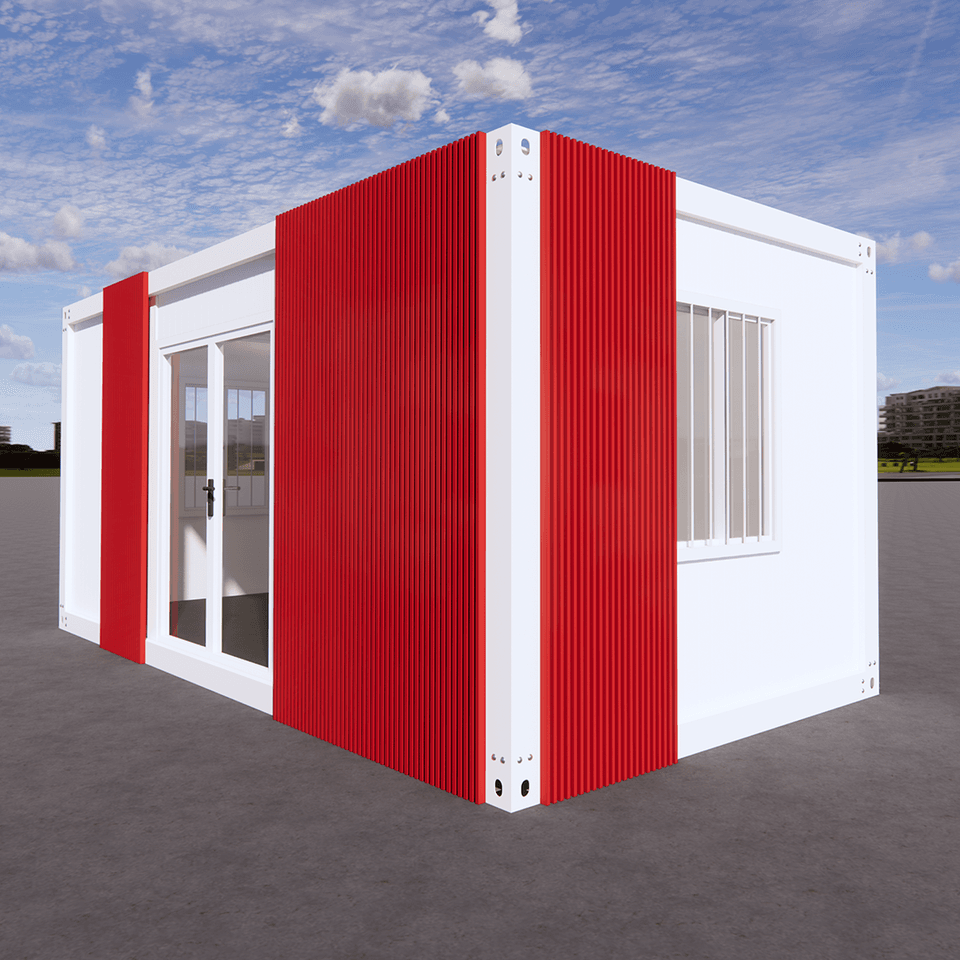
- Main Frame: Prioritize stainless steel or aluminum alloy materials, which are corrosion-resistant, lightweight, and easy to transport and install.
- Panels: For exterior walls, color-coated steel plates (waterproof and fireproof) or anti-corrosion wooden boards (natural and aesthetically pleasing) are recommended; for interior walls, PVC扣板 (easy to clean) can be selected.
- Internal Fittings: Choose ceramic or stainless steel materials for sinks and toilets, which are dirt-resistant and durable; for construction sites, install water-saving flushing devices to reduce water consumption.
- Sealing Materials: Use silicone or foam sealant at door and window joints and pipe connections to prevent odor leakage.
III. Construction and Installation Process
- Foundation Construction:
- The ground should be hardened with concrete to a thickness of no less than 10 centimeters to ensure the toilet is placed stably.
- Pre-bury water and electricity pipelines (such as water inlet pipes, sewage pipes, and electrical circuits) and reserve inspection ports.
- Main Structure Assembly:
- Assemble the frame structure on-site and secure it with bolts to ensure stability.
- Install wall and roof panels, paying attention to sealing the joints.
- Interior Decoration:
- After connecting water and electricity lines, conduct sealing tests (such as flushing tests and smoke tests) to confirm no leaks.
- Install internal fittings (such as toilets, sinks, and lighting fixtures) and debug them to ensure normal functionality.
IV. Application of Eco-Friendly Techniques
Select eco-friendly technologies based on scenario requirements:
- Biodegradable Toilets: Suitable for areas without sewage pipelines, these toilets use microorganisms to decompose feces, requiring no water flushing and producing no odors.
- Solar Power Supply: In construction sites or scenic spots without external power sources, install solar panels to supply power for lighting and ventilation systems, reducing energy consumption.
V. Daily Maintenance
- Regular Inspections: Check water and electricity lines and sealing strips monthly for aging, and promptly replace damaged parts.
- Clean Drainage Outlets: Clean the toilet or degradation tank weekly to prevent blockages.
- Seasonal Adjustments: In winter, increase anti-freezing inspections (such as wrapping pipes with insulation cotton); in summer, strengthen ventilation (such as adding exhaust fans).
By following the above process, mobile toilets can be ensured to be functional, durable, and eco-friendly, meeting the usage needs of different scenarios.