
Mobile Toilet Renovation Agreement
The mobile toilet renovation agreement should clarify core clauses such as renovation content, rights and obligations of both parties, project progress, cost payment, and liability for breach of contract. Below is a comprehensive framework and key points of the agreement:
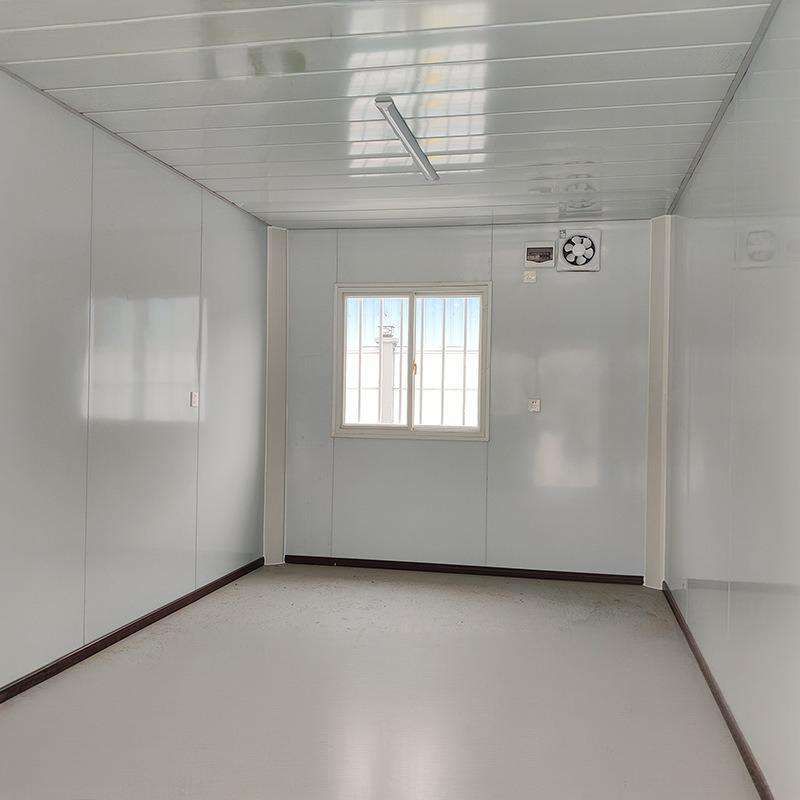
I. Core Content of the Agreement The agreement should specify the rights and obligations of Party A (the renovator/provider) and Party B (the user/client) during the renovation or leasing process to ensure the legality and compliance of the project or service. For example, in renovation scenarios, it should stipulate the removal of old facilities, the construction of new toilets, and the renovation of ventilation and drainage systems. In leasing scenarios, it should specify the specifications of the mobile toilets (e.g., 3 meters in length, 2 meters in width, and 2.5 meters in height), the quantity, and supporting facilities (e.g., toilets, sinks, mirrors).
II. Rights and Obligations of Both Parties
- Obligations of Party A:
- Provide materials and equipment that comply with national standards to ensure construction safety;
- Supervise the construction process and handle approval procedures (e.g., planning permits, environmental protection acceptance);
- In leasing scenarios, be responsible for transportation, installation, daily maintenance (daily cleaning and disinfection, response to faults within 4 hours), and repairs.
- Obligations of Party B:
- Cooperate by providing necessary conditions such as the site and drawings;
- Supervise construction quality and use facilities reasonably (e.g., prohibit intentional damage);
- Pay fees as agreed (e.g., renovation fees paid in stages: 30% after signing the agreement and the balance after acceptance; leasing fees paid in full after the event ends).
III. Project Progress and Acceptance
- Progress Management:
- In renovation scenarios, specify time nodes for planning and design, construction, and completion (e.g., complete planning within 1 month after signing the agreement);
- In leasing scenarios, agree on delivery and removal times (e.g., removal within 3 days after the event ends).
- Acceptance Standards:
- Both parties shall jointly conduct acceptance, and the right to use shall be transferred upon qualification;
- If unqualified, rectification shall be completed within a specified time to meet standards (e.g., the drainage system shall comply with the 'Building Water Supply and Drainage Design Standard').
IV. Costs and Liability for Breach of Contract
- Cost Composition:
- Renovation costs include material costs, labor costs, and approval handling fees;
- Leasing costs are charged per unit (e.g., 450 yuan/month/unit), including transportation, installation, and maintenance costs.
- Compensation for Breach of Contract:
- Overdue completion or failure to provide the site shall result in the payment of liquidated damages (the ratio shall be agreed upon by both parties, e.g., 0.1% per day);
- Intentional damage shall be compensated at market price (e.g., compensation of 500 yuan for damage to a toilet).
V. Dispute Resolution and Other Clauses
- Disputes shall be resolved through negotiation first. If negotiation fails, they may be submitted to arbitration or filed with a court, and the laws of the People's Republic of China shall apply;
- The contract shall be made in duplicate and take effect upon signature and seal. Matters not covered herein may be covered by supplementary agreements (e.g., extension of the warranty period to 1 year).
Example Clauses:
- Maintenance cycle: Daily cleaning and disinfection, with a response time for fault repairs not exceeding 4 hours;
- Warranty period: 6 months of warranty after repair services, with free repairs during this period.
The agreement should be adjusted according to actual needs. It is recommended to refer to the Contract Chapter of the 'Civil Code' and local environmental protection and hygiene standards to ensure legality and operability.



