
Mobile Toilet Recirculating Water Flushing
The recirculating water flushing technology for mobile toilets primarily achieves water resource recycling through biological treatment, water-saving agents, and closed-loop water circulation systems.
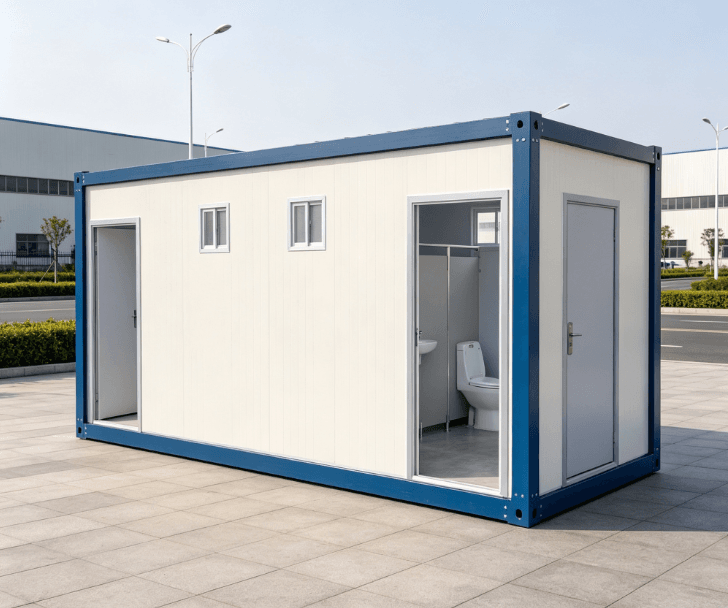
1. Biological Treatment Technology Accelerates Decomposition
The recirculating water flushing system for mobile toilets is typically equipped with intermittent aerobic and anaerobic treatment units. By adding biological strains and utilizing biofilm technology, it accelerates the decomposition process of fecal sewage. During the aerobic treatment phase, microorganisms decompose organic matter in an oxygen-rich environment, producing carbon dioxide and water. In the anaerobic treatment phase, anaerobic microorganisms further decompose residual substances, generating gases such as methane. Biofilm technology enhances decomposition efficiency by utilizing microbial communities attached to the surface of carriers, ensuring that the treated water quality meets the standards for recirculation.
2. Water-Saving Agents Optimize Flushing Effects
Some intelligent water-saving ecological toilets automatically collect urine and hand-washing water and add specialized water-saving agents. These agents typically contain ingredients such as biological enzymes and surfactants, which can rapidly decompose contaminants and reduce foam, thereby lowering the amount of flushing water required. For example, a certain model of toilet achieves a flush volume of only approximately 0.46 liters per person using this technology, significantly lower than that of traditional toilets.
3. Closed-Loop Water Circulation System Enables Resource Regeneration
Advanced models such as Beijing's environmentally friendly mobile public toilets utilize a closed-loop water circulation system to convert moisture from urine into reusable reclaimed water through evaporation and condensation technology. The system first separates urine from solid waste, then evaporates the urine, and condenses the water vapor to form clean reclaimed water for subsequent flushing. This process not only achieves water resource recycling but also avoids the environmental impact of sewage discharge.
4. Technology Application Scenarios and Advantages
Recirculating water flushing technology is widely applied in water-scarce or environmentally sensitive areas such as tourist attractions and temporary event venues. Its core advantages include:
- Significant Water-Saving Effects: Through biological treatment and water-saving agents, the water volume per flush can be reduced to less than 1/10 of that of traditional toilets;
- Outstanding Environmental Performance: The closed-loop system reduces sewage discharge and prevents groundwater contamination;
- Lower Operational Costs: Reclaimed water reuse reduces expenses for freshwater procurement and sewage treatment.
Summary: The recirculating water flushing technology for mobile toilets achieves efficient water utilization and minimal pollutant discharge through the synergistic effects of biological treatment, water-saving agents, and closed-loop water circulation systems, providing a sustainable solution for water-scarce areas and environmentally sensitive scenarios.



