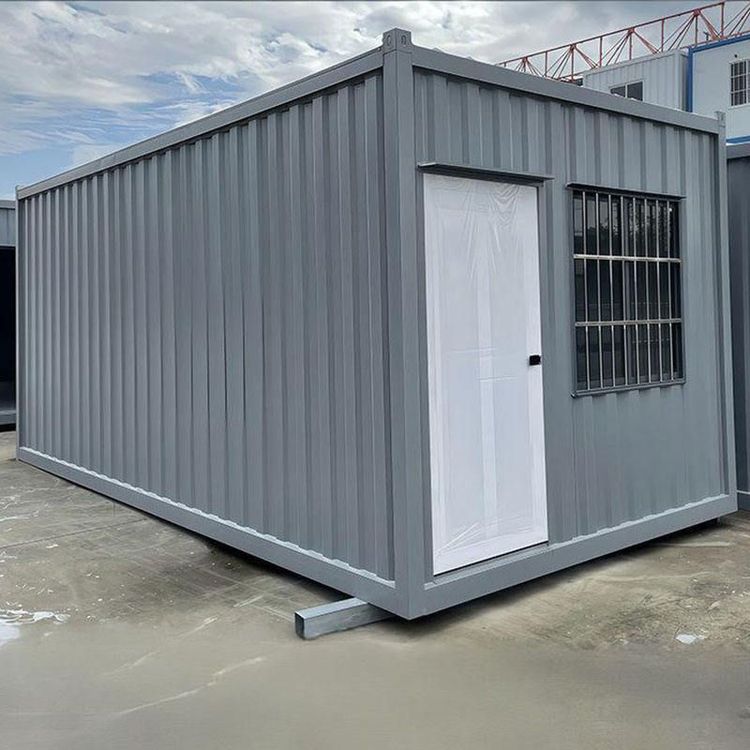
Receiving and Sending of Mobile Toilets
The receiving and sending of mobile toilets mainly involve two key processes: transportation and installation, as detailed below:

Transportation Process:
Before transportation, multiple preparatory tasks must be undertaken to ensure safety and integrity. Firstly, it is essential to confirm the load-bearing requirements of the base structure to ensure that the base can withstand the weight of the toilet unit during transportation. Secondly, the sealing performance of the container must be inspected to prevent leakage or damage during transit. Additionally, internal facilities should be secured to avoid displacement or damage due to jolting. Low-bed trailers are typically chosen for transportation due to their low chassis and strong stability, making them suitable for transporting large equipment. During transportation, professional straps should be used to secure the toilet unit at multiple points to prevent shifting or collision. If necessary, special permits (such as oversized transportation permits) must be obtained to ensure compliance with regulations. Furthermore, some mobile toilets are shipped via logistics companies. For example, Dezhou Hongtu Metal Products Co., Ltd. once shipped a toilet to Ningxia via logistics, indicating that logistics transportation is also a common method.
Installation Process:
The installation process must strictly adhere to operational guidelines to ensure safety. Firstly, site preparation is crucial, requiring a flat and solid ground to prevent toilet tilting or damage due to unstable foundations. Additionally, drainage and water supply connection points should be reserved for subsequent connections. Secondly, during lifting and positioning, a vehicle-mounted lifting device should be used to place the toilet unit steadily at the predetermined location, maintaining the container's levelness to prevent structural damage or functional abnormalities caused by tilting. Finally, connection and commissioning involve connecting the water supply line, drainage pipe, and inspecting the flushing system, followed by a water flow test to ensure all functions operate correctly. After commissioning, a comprehensive inspection should be conducted to confirm the absence of leaks or blockages before the toilet can be put into use.
Precautions:
During transportation and installation, special attention should be paid to safety precautions to avoid equipment damage or personal injury due to improper operation. Before transportation, appropriate vehicles and securing methods should be selected based on the size and weight of the toilet unit. During installation, site conditions should meet requirements, and lifting equipment should be operated by professionals. Additionally, some mobile toilets may involve electrical systems, and electrical safety regulations must be followed during installation to prevent electric shock risks.