
Mobile Toilet Rainproof and Thermal Insulation
Mobile toilets have rainproof and thermal insulation functions, mainly achieved through waterproof design, thermal insulation materials, and structural optimization.
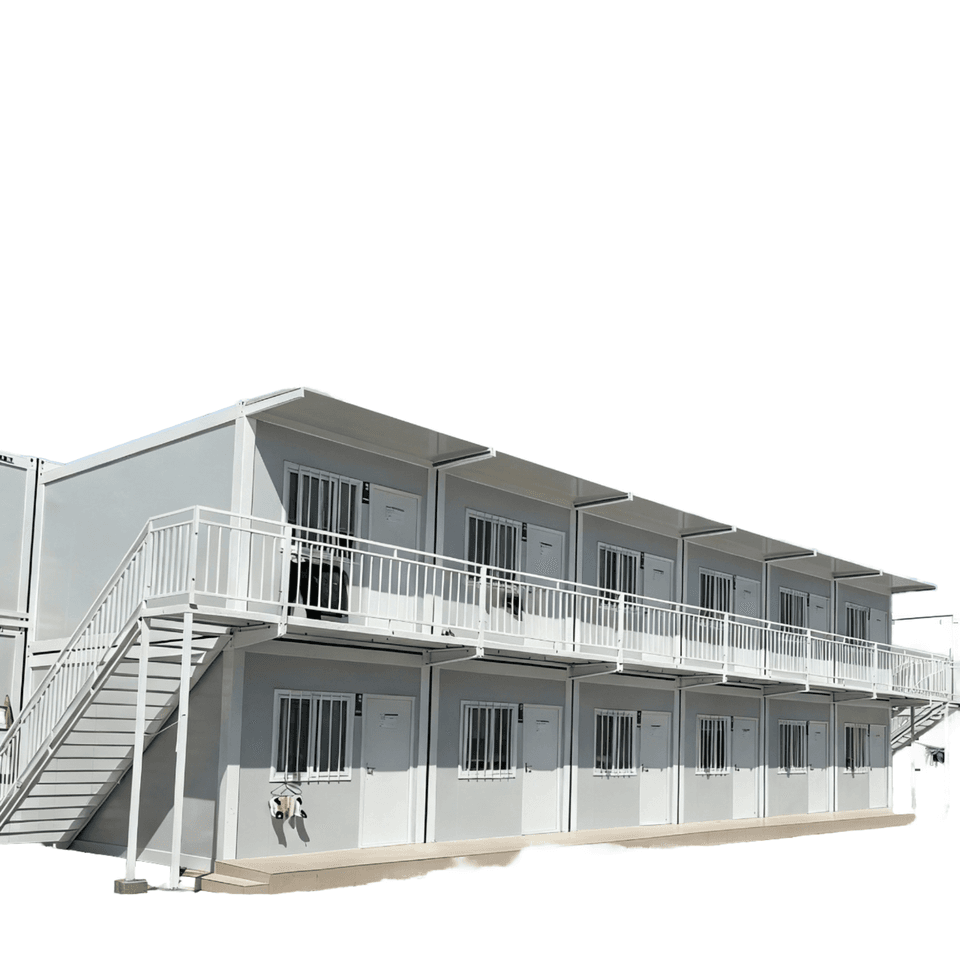
I. Implementation Methods for Waterproof Performance
The rainproof function of mobile toilets relies on multiple waterproof designs. The outer layer of the toilet body usually features a waterproof coating, forming the first barrier to effectively block rainwater penetration. Seam treatment is a crucial step, where sealing strips are used to seal the connections between various components of the toilet body, preventing rainwater from infiltrating through gaps. For example, waterproof strips are installed at the joints between the door frame and the toilet body to ensure no leakage when closed. The door frame design further enhances the waterproof effect. Some models (such as the Lushida mobile toilet) have an additional waterproof threshold at the bottom of the door frame to prevent ground water or rainwater from flowing back into the interior. Additionally, the roof adopts a sloped or curved design to guide rainwater to drain quickly, reducing the risk of water accumulation.
II. Core Technologies for Thermal Insulation Performance
The thermal insulation function is achieved through a combination of material selection and structural optimization. In terms of outer shell materials, color-coated steel sheets and fiberglass-reinforced plastics are mainstream choices. Color-coated steel sheet shells are brightly colored, with the surface metal layer reflecting part of the solar radiation. Meanwhile, the internal polyurethane foam layer or rock wool layer provides efficient thermal insulation, reducing internal temperature fluctuations. Fiberglass-reinforced plastic materials reduce heat transfer through their low thermal conductivity. In terms of the toilet body structure, high-density soundproof cotton (such as polyester fiber cotton) is filled in the sandwich layer, providing both sound insulation and thermal insulation. The wall thickness is increased by 20%-30% compared to ordinary containers, further slowing down heat conduction. For example, the wall thickness of a certain model of mobile toilet reaches 100mm, improving thermal insulation efficiency by about 30% compared to traditional walls with a thickness of 60-80mm. Extreme environment adaptability is also an important consideration in thermal insulation design. The welded toilet body structure can withstand temperature differences from -30℃ to 50℃, meeting the needs of thermal insulation in cold regions and cooling in hot regions.
III. Synergistic Effect of Materials and Processes
The physical properties of the materials themselves provide the foundation for rainproof and thermal insulation. Color-coated steel sheets and fiberglass-reinforced plastics are not only waterproof but also have anti-corrosion and aging-resistant properties, extending the service life. The welding process ensures the airtightness of the toilet body structure, preventing leakage or heat loss caused by poor splicing. In addition, some high-end models adopt a double-wall design, forming an air gap in the middle and utilizing the low thermal conductivity of air to enhance the thermal insulation effect. For example, a mobile toilet in a scenic spot uses a double-wall design with rock wool filling, keeping the internal temperature 5-8℃ lower than the outside in summer and 3-5℃ higher in winter, significantly improving user comfort.
In conclusion, mobile toilets achieve rainproofing through waterproof coatings, sealed seams, and door frame thresholds, and achieve thermal insulation through materials such as color-coated steel sheets/fiberglass-reinforced plastics, sandwich filling, and thickened walls. The synergy of materials and processes ensures their stable performance in complex climates.



