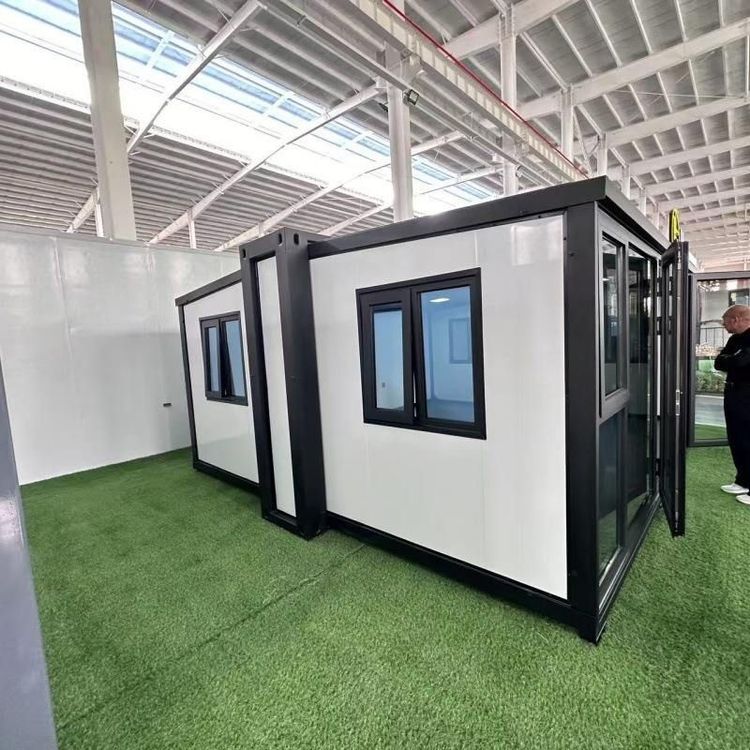
Mobile Toilet Rainproof Design Standard
The mobile toilet rainproof design standard covers aspects such as shell structure, roof, sealing performance, drainage system, electrical system protection, adaptability to special environments, and inspection and maintenance, as detailed below:

Shell Structure and Material: The shell of the mobile toilet must be made of high-strength composite materials, such as rust-resistant metals or special engineering plastics, to ensure excellent wind pressure resistance and provide fundamental support for overall rain protection.
Roof Design: The roof adopts an inclined design to effectively channel rainwater and prevent water accumulation. A rainproof eave must be installed at the top of the equipment, with an eave extension length of no less than 30 centimeters. In rainy seasons, additional drainage channels can be installed to guide rainwater to the ground, preventing backflow or splashing into the toilet interior.
Sealing Performance: Door seam sealing strips are made of weather-resistant rubber materials to ensure a seamless closure. The ventilation system is equipped with a one-way exhaust device to prevent odor backflow while maintaining air circulation. Pipeline sealing joints use professional sealing rings to eliminate leakage risks. Sealing strips are installed on all doors, windows, and ventilation openings, with door seam widths controlled within a reasonable range to comprehensively prevent rainwater intrusion.
Drainage System: The sewage pipe must be treated to prevent backflow. When connecting to the municipal drainage system, it is recommended to install a one-way valve. When installed on the ground, a 5-centimeter-high water baffle should be reserved to prevent external rainwater backflow. Drainage holes and dehumidification devices can be added at the bottom. The ground slope should be maintained at more than 1% to ensure rapid drainage of rainwater from the bottom of the equipment and prevent water accumulation.
Electrical System Protection: All electrical equipment must meet an IP54 or higher protection rating to prevent rainwater intrusion and ensure the safe operation of the electrical system in humid environments.
Adaptability to Special Environments: High-end models are equipped with double-layer insulated walls, freeze-proof treatments, or typhoon-grade reinforced structures to adapt to extreme weather conditions. In regions with long rainy seasons, moisture-proof films can be laid at the bottom of the equipment, with a focus on protecting concealed areas such as beneath the sink and in storage cabinets to prevent damage caused by moisture.
Inspection and Maintenance: Waterproof performance testing requires a water storage test with a duration of no less than 24 hours to observe for any obvious leakage. During daily maintenance, regularly check for aging of sealing strips, clean drainage channels to prevent blockages, and conduct comprehensive waterproof inspections every quarter to ensure the long-term stable operation of the mobile toilet.