
Mobile Toilet Quality Inspection
Mobile toilet quality inspection covers building structure verification, damage detection, safety calculations, material performance testing, and multiple core project inspections, requiring standardized methods and professional equipment to ensure quality compliance.
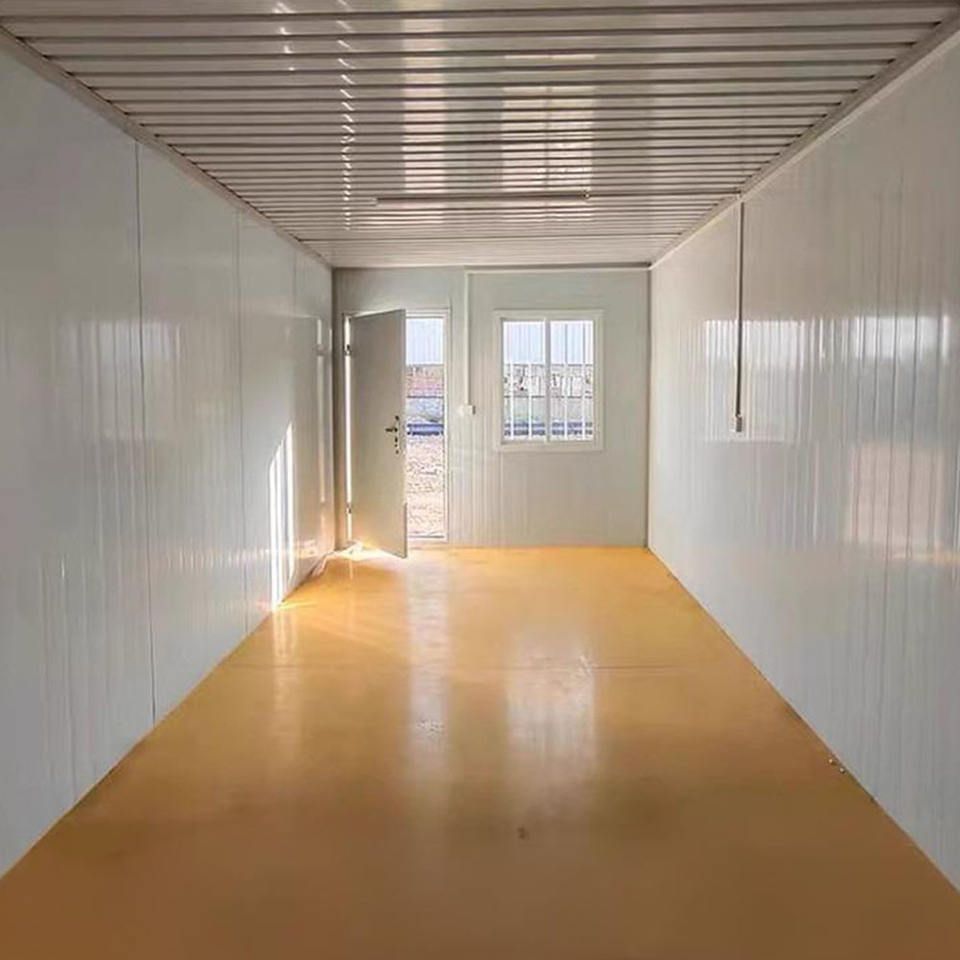
1. Building and Structure Foundation Inspection
Building structure verification is the first step in quality inspection. Based on original design documents, tools such as laser distance meters and steel tapes are used to conduct sampling measurements of wall distribution, door and window dimensions, structural axes, and heights to ensure the actual structure matches the design. Structural damage inspection focuses on load-bearing components, emphasizing checks for aging and deformation of steel members, reliability of node connections, and cracks in welded areas to ensure no significant structural damage risks exist.
2. Structural Safety and Material Performance
Structural safety calculations combine the 'Building Structural Load Code' with on-site data, using PKPM software to analyze the impact of dead loads, live loads, wind loads, and seismic actions on the structure, verifying whether the load-bearing capacity meets standards. Steel material performance testing includes non-destructive testing of welds (e.g., ultrasonic testing) and mechanical property tests (tensile strength, yield strength, impact toughness), though this project is implemented based on owner requirements.
3. Core Function and Safety Inspections
- Environmental and Hygiene Safety: Tests for formaldehyde, VOC emissions, and surface microbial counts (total coliforms, E. coli) ensure air quality and hygiene conditions meet standards.
- Wastewater Treatment System: Verifies purification efficiency to ensure sewage discharge compliance.
- Slip Resistance and Ventilation: Measures ground friction coefficients and evaluates ventilation system air exchange rates to ensure safety and comfort.
- Fire and Electrical Safety: Tests the fire resistance limits of fireproof materials and measures insulation resistance and grounding resistance to prevent fire and electric shock risks.
- Accessibility and Emergency Facilities: Checks compliance of accessible pathways and handrails, and tests the reliability of emergency call system responses, reflecting humanistic care.
4. Inspection Methods and Equipment
Quality inspections adhere to standardized systems such as GB/T 17219 (drinking water equipment safety), HJ 664 (air monitoring), and ISO 30500 (non-networked sanitation systems). Key equipment includes constant-temperature humidity incubators (microbial culturing), gas chromatography-mass spectrometers (VOC analysis), universal material testing machines (strength testing), and air volume testers (ventilation assessment) to ensure precise and reliable data.
Mobile toilet quality inspection comprehensively evaluates structural safety, functional performance, and hygiene/environmental indicators through a multi-dimensional, systematic inspection process, providing users with a safe, comfortable, and environmentally friendly restroom experience.



