
Mobile Toilet Quality Assurance
The quality assurance of mobile toilets covers multiple aspects, including production and manufacturing, testing processes, and warranty period regulations.
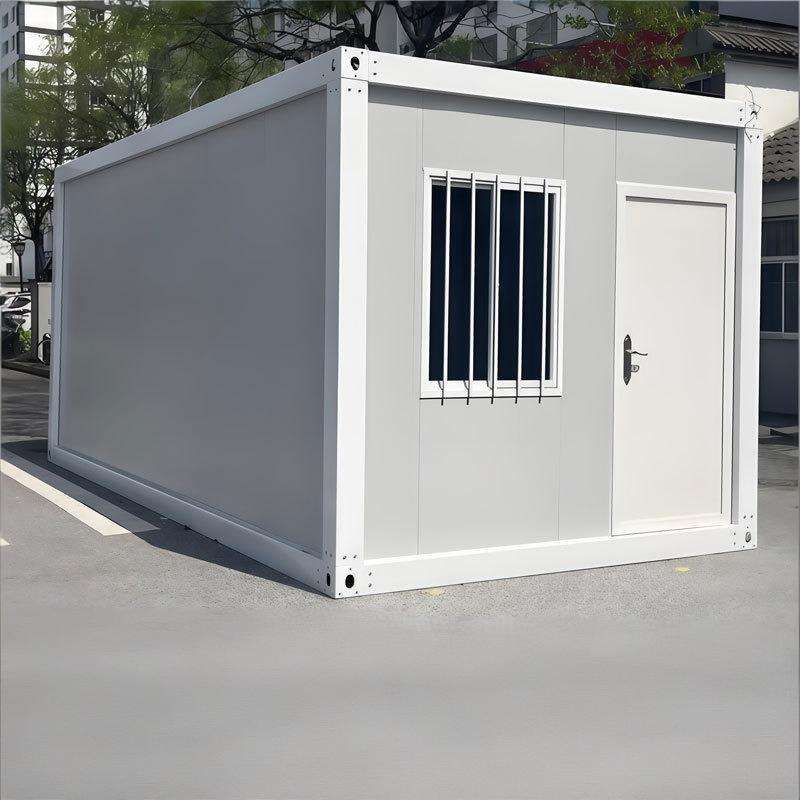
Quality Control in the Production and Manufacturing Process
Manufacturers carefully select appropriate structural materials based on the intended usage scenarios of mobile toilets. Common materials include high-density polyethylene (HDPE), fiberglass-reinforced plastic, and stainless steel, each with distinct properties to meet different environmental requirements. Internally, ventilation systems, sewage storage tanks, handwashing stations, lighting fixtures, and other accessories are installed to ensure basic functionality. The production process primarily consists of three stages: mold forming, assembly and debugging, and quality inspection. The mold forming stage demands extremely high precision in dimensions and surface quality, ensuring accurate dimensions and smooth, burr-free surfaces to lay a solid foundation for subsequent assembly and use. During the assembly stage, sealing treatments are performed to prevent odor leakage and enhance the user experience. The quality inspection stage includes structural strength tests, leak tests, and flushing system functionality tests, among others. Only products that pass all inspections can be shipped for delivery. Some manufacturers also conduct simulated experiments on the microbial treatment efficiency of eco-friendly toilets to further ensure their environmental performance.
Special Testing for Mobile Toilets in Parks
For manufacturers of mobile toilets in parks, they conduct item-by-item inspections based on national health standards and industry norms, covering aspects such as the sealing of toilet fixtures, connections of sewage pipes, and wall strength. Additionally, they perform wind and earthquake resistance tests to extend the product's lifespan and reduce subsequent maintenance costs. The production process includes five stages: design, material procurement, forming and processing, assembly and debugging, and factory inspection. The factory inspection simulates actual usage scenarios, verifying product reliability through multiple flushing and load tests to ensure that mobile toilets in parks can accommodate the needs of a large number of visitors.
Warranty Period Regulations
The determination of the warranty period for mobile toilets is primarily based on relevant provisions in the "Regulations on the Quality Management of Construction Projects." If the mobile toilet involves infrastructure projects, foundation and main structure works of building constructions, its warranty period should be the reasonable service life specified in the design documents. If it includes roof waterproofing works, toilets with waterproofing requirements, etc., the warranty period is 5 years. For electrical pipelines, water supply and drainage pipelines, equipment installations, and other parts, the warranty period is 2 years. The warranty period commences from the date of completion acceptance. During the warranty period, if quality issues arise, the construction unit should fulfill its warranty obligations and bear compensation responsibilities for any damages caused by quality problems.
You may also like

Portable Toilet Eco-Friendly: MOQ, Samples & Quotation Guide
Read More
Top Portable Toilet Color Steel Manufacturers: How to Choose a Factory Partner
Read MorePortable Toilet Picture: Types, Features & Buying Tips
Read More