
Back to blog
Article
Mobile Toilet, Public Toilet
Admin September 21, 2026
Mobile toilets are a type of public toilet. Public toilets are facilities used jointly by urban residents and the floating population, including various types such as standalone, attached, and mobile ones.
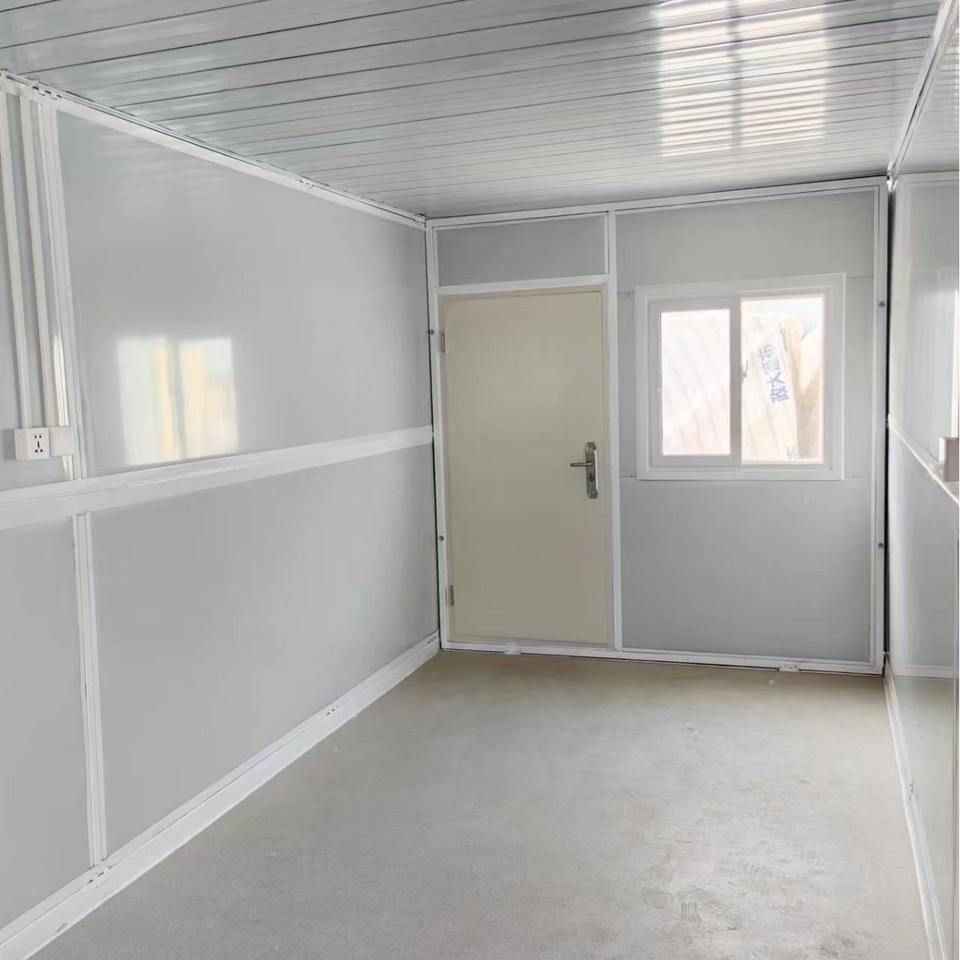
Characteristics and Forms of Mobile Toilets
- Smart and Eco-Friendly Type: There are compact and smart eco-friendly mobile public toilets with comprehensive internal configurations, including a feces collection system, hand-washing sinks, smart mirrors, and breathing lights. These toilets can be put into use immediately after being manufactured as a whole in the factory, providing convenience and meeting the toilet needs in temporary or specific scenarios.
- Classic and Practical Type: Taking the classic mobile toilet produced by Dezhou Hongtu Metal Products Co., Ltd. as an example, the women's toilet has two squatting positions. The overall structure is made of galvanized frames, which are sturdy and durable, with a service life of over 2 years. The roof adopts a pointed design and is covered with waterproof asphalt shingles, effectively preventing rain. The wall panels are made of metal carved panels, which are not only aesthetically pleasing but also have certain protective properties.
Other Information about Public Toilets
- Classification Criteria: Public toilets can be classified according to architectural form, structure, flushing method, etc. In China, the construction of public toilets follows the 'Urban Public Toilet Hygiene Standards', which have clear requirements for facility allocation. Barrier-free toilets must be set up, and they should be equipped with sit-down toilets, hand-washing basins, and call devices to meet the needs of special groups.
- Technological Development: Modern public toilets continuously introduce new technologies, such as microbial decomposition and vacuum flushing, which improve the cleanliness and user experience of public toilets. At the same time, they have developed into smart facilities integrating the Internet of Things and big data. Many places have implemented electronic map navigation, intelligent monitoring systems, and dynamic cleaning mechanisms, greatly improving the management efficiency of public toilets.
- Innovative Models: In recent years, some parks and scenic spots in Shenzhen, Dongguan, Hangzhou, Wuhan, and Chongqing have successively trialed 'tidal toilets'. These toilets set up a number of 'gender-neutral general toilet stalls' and use movable signs or lockable sliding doors to dynamically adjust usage permissions according to real-time pedestrian traffic, flexibly responding to peak tourist periods and effectively alleviating the problem of difficulty in finding a toilet.
Related



