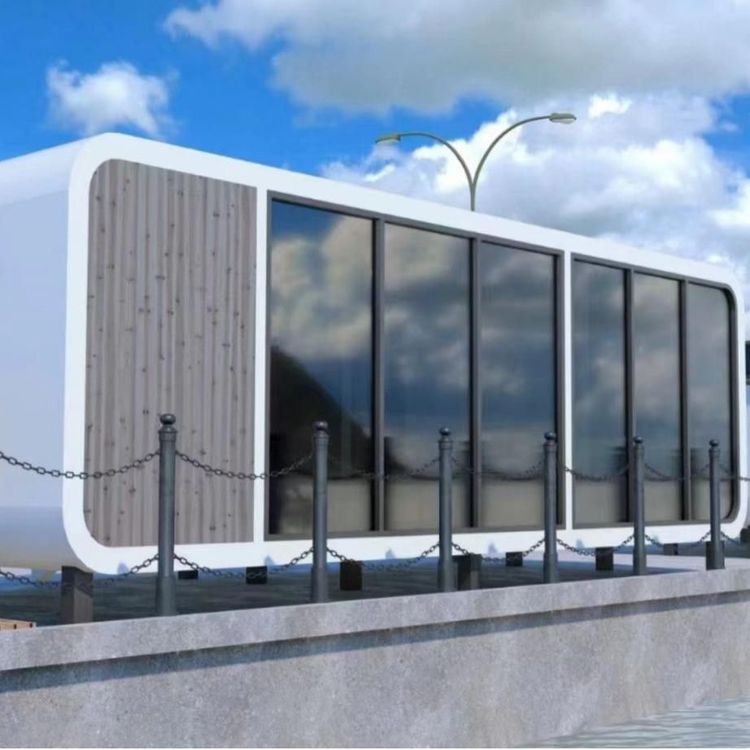
Expected Outcomes of the Mobile Toilet Project
The expected outcomes of the mobile toilet project are primarily reflected in user feedback, technological advantages, environmental adaptability, management efficiency, public environment improvement, and cost-effectiveness.

I. Excellent User Feedback
Mobile toilets have significantly enhanced user experience through optimized design and technological applications. For instance, in a test conducted at a cultural tourism scenic spot in Sichuan, user satisfaction with smart public toilets approached 100%, with no complaints about unpleasant odors. This is attributed to the real-time feedback from air quality monitoring systems, such as ammonia concentration sensors, ensuring that the internal environment of the toilets remains in good condition at all times.
II. Significant Technological Advantages
The project employs environmentally friendly and energy-saving technologies, such as microbial degradation technology, which reduces water consumption and carbon emissions. It is estimated that a single public toilet can save approximately 3,000 tons of water annually and indirectly reduce carbon dioxide emissions. Additionally, the integration of 5G communication and Internet of Things (IoT) technologies enables remote monitoring and maintenance functions. For example, the Handan Road Smart Public Toilet utilizes an IoT platform to achieve intelligent management, including equipment failure warnings and toilet stall congestion monitoring, significantly improving operational efficiency.
III. Strong Environmental Adaptability
Mobile toilets are capable of stable operation under extreme climatic conditions, such as in high-altitude and low-oxygen areas. Their modular design and durable materials ensure reliability in harsh environments, expanding their application scenarios.
IV. Improved Management Efficiency
Digital and intelligent management is one of the core advantages of the project. By continuously monitoring air quality, equipment status, and toilet stall usage, the system can automatically trigger warning mechanisms, reducing the frequency of manual inspections. For example, the Handan Road Smart Public Toilet achieves refined operation and maintenance management through a visualization platform, lowering labor costs and enhancing service quality.
V. Enhanced Public Environment
Mobile toilets effectively address issues such as strong odors and poor sanitary conditions in traditional public toilets. After adding container toilets during the peak season at a national park, the visitor complaint rate decreased by 40%, and the environmental quality of the scenic spot improved significantly. This achievement is attributed to the synergistic effects of enclosed design, efficient ventilation systems, and regular cleaning and maintenance.
VI. Cost-Effectiveness and Eco-Friendliness
The project achieves long-term cost savings by reducing water and electricity consumption and related expenses. For example, water-saving ecological toilets account for approximately 58% of the market share and are suitable for places with high foot traffic but stable water supply. Additionally, the design for resource recycling, such as harmless treatment of feces, aligns with sustainable development principles and promotes the green transformation of public facilities.