
Is Mobile Toilet Profitable?
Mobile toilets can be profitable, but it's not a 'get-rich-quick' scheme; it requires a reasonable business model and refined management.
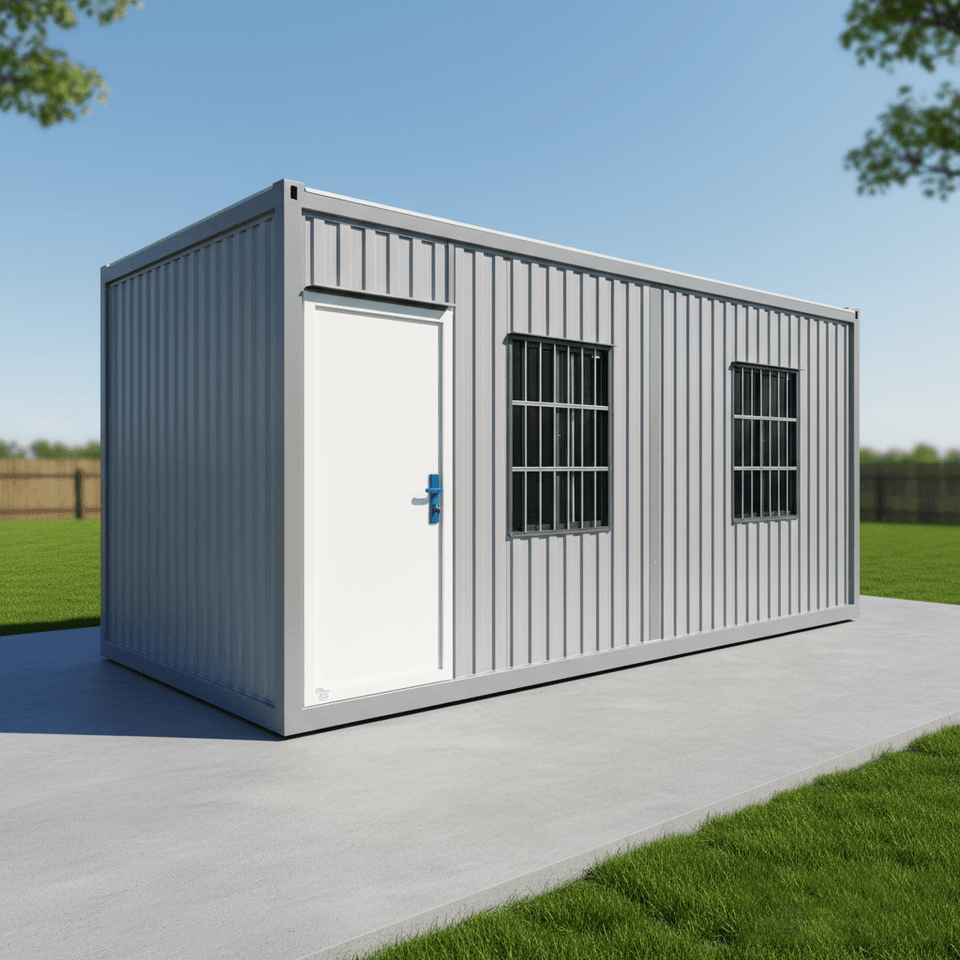
1. Main Profit Models
Rental Income
The core advantage of mobile toilets lies in their flexible deployment, enabling rapid response to demands in various scenarios such as construction sites, cultural and tourism attractions, campsites, music festivals, and municipal emergencies. Rental fees are typically priced based on usage duration (e.g., daily or monthly rentals), quantity (single toilet or group rentals), and additional services (e.g., regular cleaning, consumable replenishment). For example, during large-scale events, the daily rental fee for a single toilet can reach several hundred yuan, while long-term cooperation projects may generate stable income through bulk rentals.Advertising Partnerships
Both the exterior (e.g., walls, doors) and interior spaces (e.g., stalls, sinks) of mobile toilets can serve as advertising spaces, attracting brand advertisers. Advertising in high-traffic areas (e.g., commercial districts, transportation hubs) yields significant results, with revenue enhanced through static posters, electronic screens, or interactive advertisements. Some operators further boost advertising appeal through creative designs (e.g., themed murals, brand collaborations), unlocking additional commercial value.Value-Added Services
Offering paid value-added services beyond basic functions can expand revenue streams. Examples include selling daily consumables like tissues, beverages, and hygiene products, or providing specialized services for specific scenarios (e.g., baby care rooms, accessible facilities) such as personal care or diaper-changing services. These services, though low-priced, have stable demand and can generate continuous revenue in high-footfall areas.Technological Innovation and Management Optimization
Introducing smart management systems (e.g., real-time usage monitoring, automated cleaning scheduling) reduces labor costs, while adopting eco-friendly and energy-saving technologies (e.g., solar power, water-saving designs) cuts energy expenses. Additionally, standardizing cleaning procedures and safety training improves operational efficiency, extending equipment lifespan and lowering failure rates, thereby indirectly enhancing profitability.
2. Industry Challenges and Barriers
Despite the stable demand and robust market for mobile toilets, operators must overcome three key bottlenecks:
- Waste Removal: Collaboration with professional environmental companies is essential to ensure compliant disposal and avoid pollution risks.
- Environmental Compliance: Adherence to emission standards is required, with some regions imposing strict regulations on equipment materials and noise control.
- Operational and Maintenance Services: A rapid response mechanism must be established to ensure timely cleaning and repairs, preventing customer loss due to poor user experience.
In summary, the profit potential of mobile toilets hinges on diversified revenue models and refined operations, making it suitable for investors with resource integration capabilities and a long-term service mindset.


