
Mobile Toilet Profit
There are diverse profit models for mobile toilets, enabling profitability through a multi-tiered revenue system, including the following approaches:
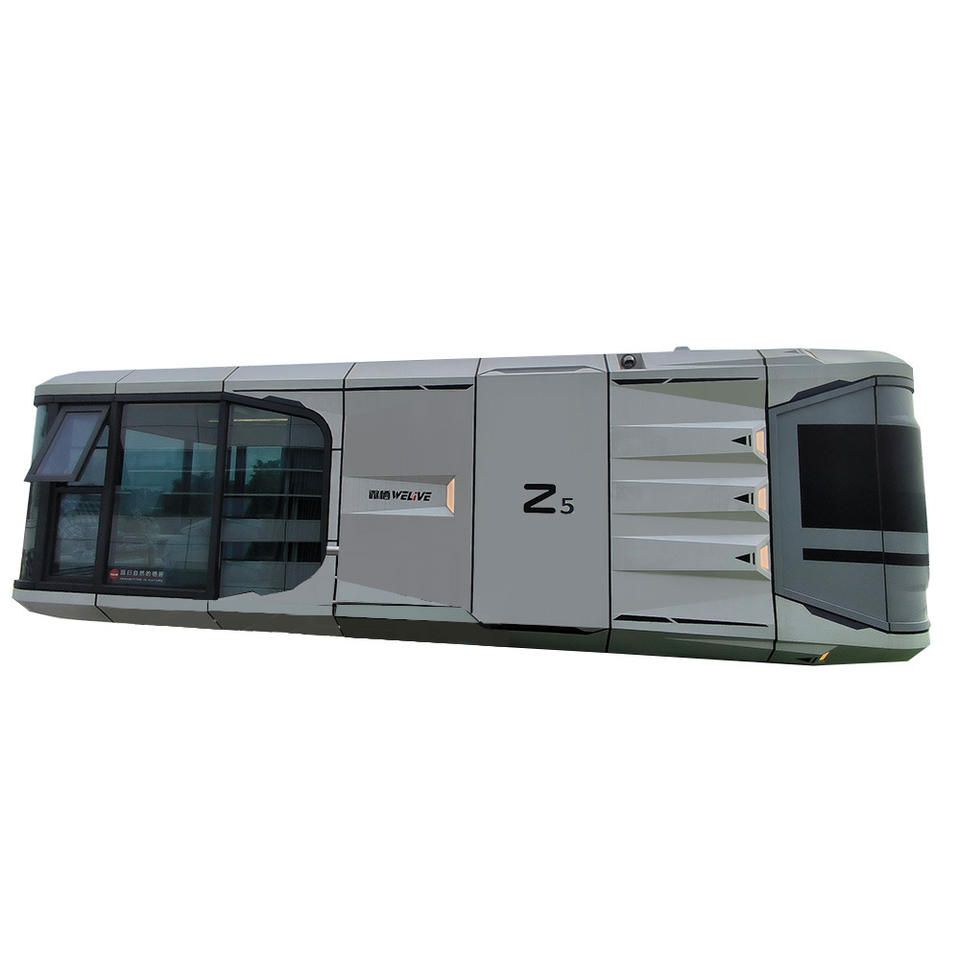
1. Event Service Provider Model
For large-scale events such as concerts and sports competitions, rent is charged per toilet stall per event, with a single rental fee ranging from 30 to 50 yuan per stall per day. Large events typically require dozens to hundreds of toilet stalls, with single-event cooperation revenue reaching tens of thousands of yuan. This model relies on event frequency and scale, offering significant short-term revenue and is suitable for operators with strong resource integration capabilities.
2. Scenic Area Annual Trusteeship Model
A long-term agreement is signed with scenic areas, with tiered charges based on visitor volume. For example, a base service fee of 300 yuan per day is charged for up to 5,000 visitors per day, with revenue sharing of 0.1 yuan per additional visitor. This model achieves stable income by tying into scenic area visitor flow while reducing scenic area management costs, creating a win-win situation.
3. Municipal Emergency Procurement Model
Winning bids for government temporary support projects (such as disaster response and large conferences) generates orders through tender procurement, with contract amounts typically ranging from 50,000 to 200,000 yuan per project. These orders have short cycles but high amounts, requiring operators to possess qualification certifications and rapid response capabilities, suitable for enterprises establishing long-term cooperation with government departments.
4. Leasing Operation Model
After a one-time equipment investment, repeated rentals are made, combined with sewage extraction, cleaning, and maintenance services to form a continuous cash flow. Taking tourist scenic areas as an example, the annual service fee income from 10 units can reach 600,000 yuan. After deducting procurement costs (approximately 300,000 yuan for 10 units) and operating costs, the net profit in the first year is about 140,000 yuan, with an investment return period controlled within 18 months. The core of this model lies in equipment utilization and maintenance efficiency, suitable for large-scale operations.
5. Value-Added Service Model
Modules such as QR code-based paper dispensing and hygiene product vending are integrated into the equipment, increasing annual derivative revenue per unit by 2,000 yuan. These services have low costs and high marginal revenue but depend on user habits, suitable for cooperation with advertising and e-commerce platforms to expand revenue.
6. Premium Market Premium Model
Mobile toilets with solar power, waterless ecology, foam sealing, IoT monitoring (for fecal slurry levels and odors), and luxury mobile toilets (suitable for weddings and high-end events) command significantly higher unit prices than ordinary equipment due to technological content or design premiums, offering larger profit margins. This model requires precise positioning of niche markets and is suitable for technology-driven or branded enterprises.
Policy and Demand Support: The leasing model for mobile toilets offers greater long-term value than simply selling equipment. Policy support (such as the Toilet Revolution, urban renewal, and mandatory configuration at construction sites) combined with demand from cultural tourism, camping, and events drives sustained market growth, providing a stable foundation for profitability.



