Mobile Toilet Production
The production of mobile toilets involves multiple aspects such as manufacturers, materials and structures, and types.
Manufacturers
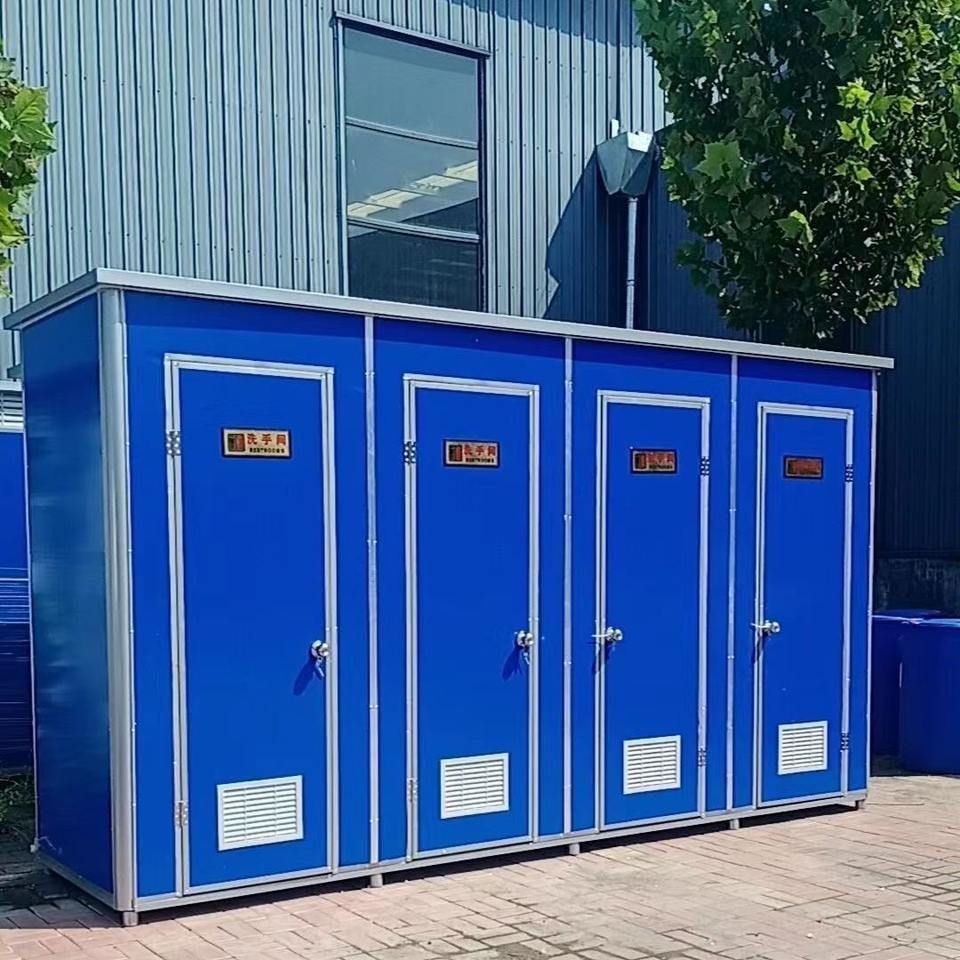
There are numerous manufacturers producing mobile toilets. For example, Henan Lanting Toilet Flagpole Manufacturer mainly produces prefabricated mobile toilets and scenic area restrooms. Additionally, there are companies like Hefei Zhongxing Metal Products Co., Ltd., Henan Junwei Police Equipment Co., Ltd., and Dezhou Decheng District Huaao Food Truck Sales Office. These manufacturers produce a variety of mobile toilet types, with prices varying based on product specifications and materials, meeting the needs of different scenarios and customers.
Materials and Structures
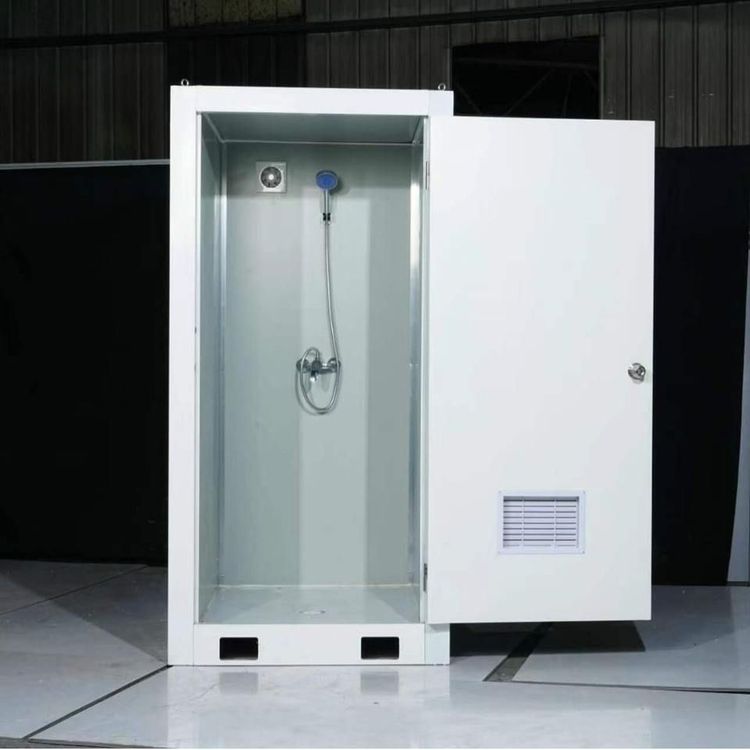
Initially, mobile toilets were mostly made of materials like wood. With technological advancements, new materials such as fiberglass-reinforced plastic and polyethylene have gradually been adopted. These materials offer advantages like light weight, high strength, and corrosion resistance, making them more suitable for the usage environment of mobile toilets. Generally, a mobile toilet consists of multiple parts, including a fecal sewage storage tank (or fecal sewage treatment device) for collecting and treating waste; a floor for providing stable standing and activity space; sanitary fixtures such as toilets and squat pans; walls for separating and protecting privacy; washing equipment including washbasins; a water tank for supplying water for flushing; a roof for shielding against wind, rain, and sunlight; and a mobile device for facilitating the overall movement of the toilet. There are also some creative productions. For instance, a young man used a water storage tank and pallets to make a movable restroom. Taking the water storage tank as the main body, he installed toilets, washbasins, and other facilities through cutting and fixing operations, and installed universal wheels to enable mobility.
Types
Based on structural form, mobile toilets can be divided into single-structure mobile toilets and composite-structure mobile toilets. Single-structure toilets are relatively simple and suitable for scenarios with limited space or temporary use. Composite-structure toilets are more complex and offer more comprehensive functions. Based on mobility, they can be classified as hoisting and handling mobile toilets and powered and towed mobile toilets. The former require hoisting equipment or manual handling, while the latter can be moved by power drive or vehicle towing. Based on sewage treatment methods, they can be categorized as water-flush and non-water-flush suction mobile toilets, circulating water-flush mobile toilets, and dry-packing mobile toilets, with different treatment methods suitable for different environments and conditions.