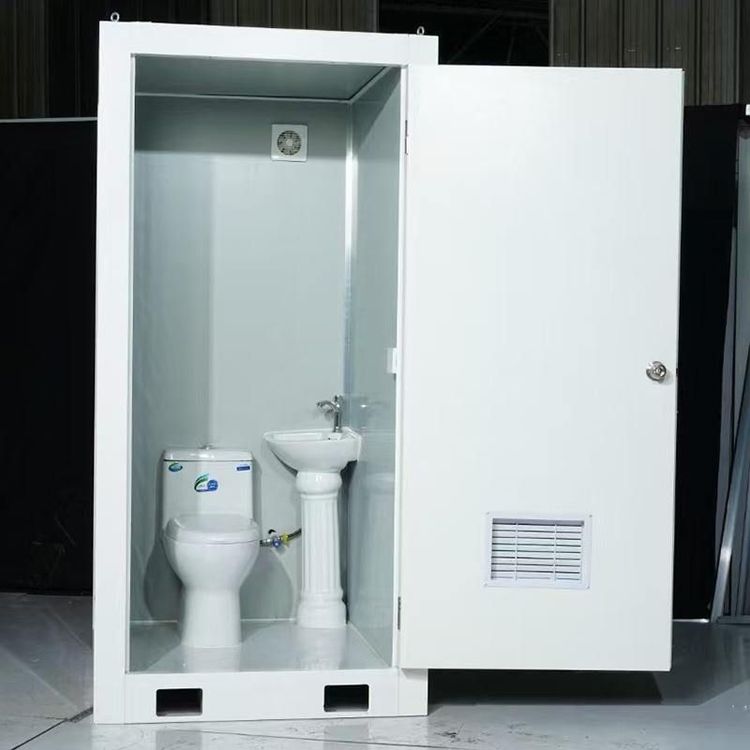
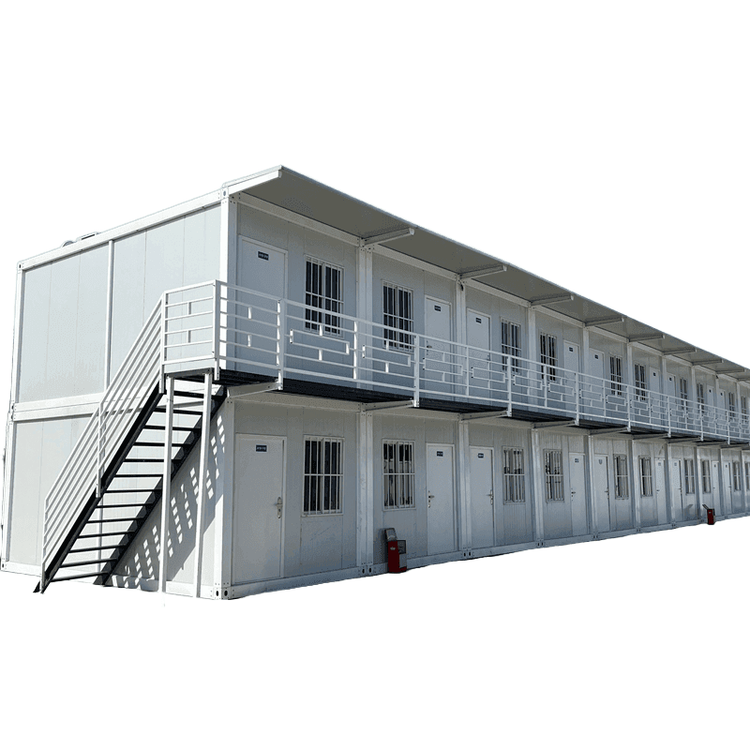
Mobile Toilet Product Features
The product features of mobile toilets are mainly reflected in their mobility, diverse treatment methods, small footprint, environmental protection and water conservation, sturdy and durable structure, comprehensive internal configuration, intelligent control, environmentally friendly and recyclable materials, as well as short construction periods and reusability.
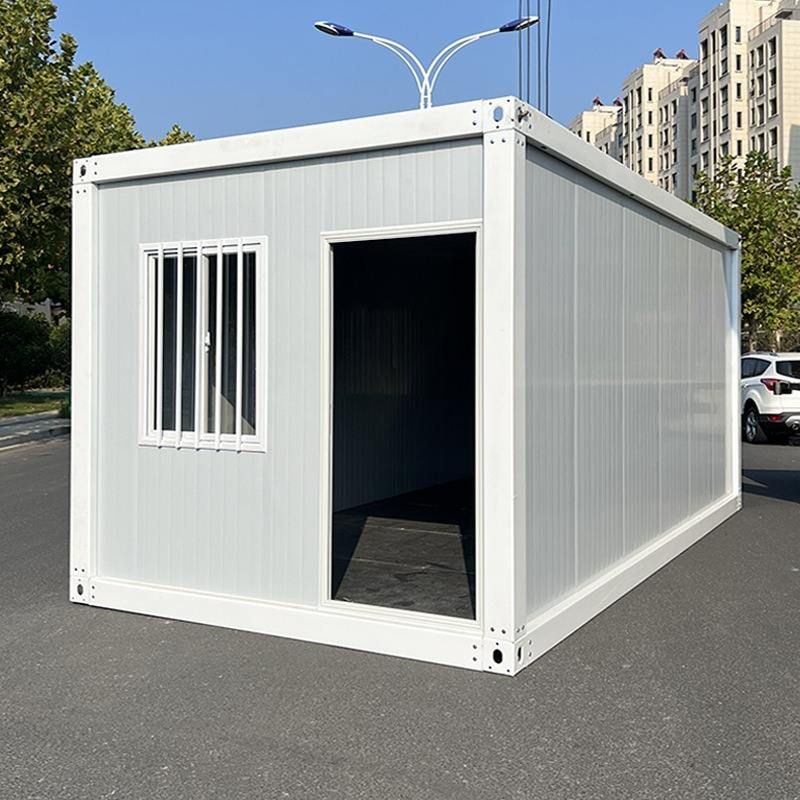
Mobility: The greatest feature of mobile toilets is their mobility, allowing them to be flexibly adjusted according to changes in the venue, reducing resource waste caused by the relocation of fixed facilities, and being suitable for various scenarios such as temporary events, construction sites, and tourist attractions.
Diverse Treatment Methods: Mobile toilets employ a rich variety of treatment technologies, enabling the selection of appropriate methods based on environmental constraints, such as water-flush and waterless suction types, circulating water-flush types, dry-packing types, foam-sealing types, packing types, water-saving flush types, waterless rechargeable types, and microbial types, meeting sanitation needs in different scenarios.
Small Footprint: Compared to traditional fixed toilets, mobile toilets occupy less land resources, providing necessary sanitation facilities within limited space, making them particularly suitable for areas with tight land resources.
Environmental Protection and Water Conservation: Mobile toilets adopt new materials and water-saving technologies, such as automatically collecting hand-washing water and adding special agents to achieve a flushing effect with only 0.46 liters of water per person; circulating water-flush types are equipped with intermittent aerobic and anaerobic sewage treatment devices for feces, with the treated water being recycled for flushing; dry-packing types have no water-flushing devices, with excreta being collected by biodegradable plastic bags, which are automatically replaced and collected for centralized treatment after use, effectively reducing water consumption and environmental pollution.
Sturdy and Durable Structure: The frame of mobile toilets is welded from national standard steel, with surfaces covered with anti-corrosion and fire-resistant materials such as color-coated steel plates or carved panels, ensuring a service life of over 20 years and long-term stable use.
Comprehensive Internal Configuration: Mobile toilets are equipped with independent toilet pit partition treatment systems, anti-slip floors, automatic flushing toilet bowls, and ventilation and lighting systems. Standard configurations include toilet bowls (urinals), coat hooks, vanity mirrors, paper baskets, lighting fixtures, exhaust fans, door locks, and occupancy indicators, while optional configurations include heating and cooling air conditioners, air purifiers, freeze-proof systems, heating systems, background music, hand basins, and water-saving faucets, providing a comfortable toilet environment.
Intelligent Control: Mobile toilets adopt intelligent control systems and insulation systems, ensuring scientific and safe operation, and are equipped with upper and lower water tanks to enhance convenience and comfort.
Environmentally Friendly and Recyclable Materials: The materials used in mobile toilets are mostly environmentally friendly panels with recycling value, and the main materials have a long design life, aligning with sustainable development concepts.
Short Construction Period and Reusability: Mobile toilets have a short construction period, can be quickly put into use, and are reusable, making them suitable for various public places and reducing construction costs.