
Power Consumption of Mobile Toilets
The power consumption of mobile toilets varies depending on their type and functionality. Overall, the power consumption is generally not high, but there are differences among different types. Here is a detailed analysis:
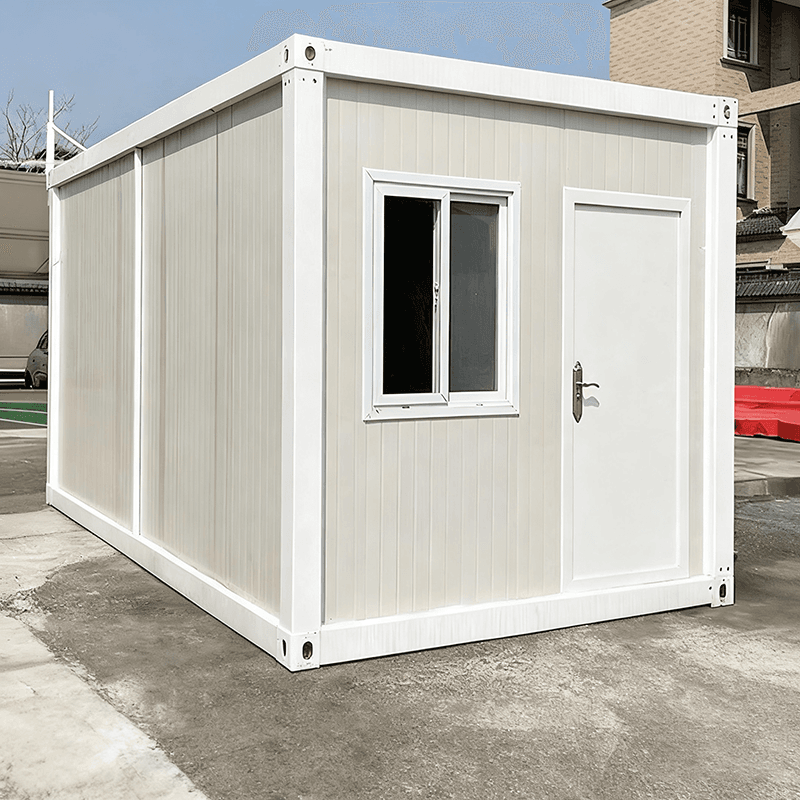
Microbial degradation-type mobile toilets decompose feces through microorganisms and need to maintain an appropriate temperature to ensure microbial activity, so they are equipped with heating devices. For example, a device suitable for a family of six consumes an average of about 0.8 kilowatt-hours (kWh) of electricity per day, which is a medium level of power consumption.
Foam-sealing mobile toilets use foam to block odors and reduce the amount of flushing water. Their power consumption is significantly affected by the seasons. Some products can consume as little as 0.5 kWh of electricity per day, but in winter, to prevent pipes from freezing and cracking, the heating function needs to be activated, and the power consumption may increase to 1.5 kWh, showing obvious seasonal fluctuations.
Flush-type mobile toilets (equipped with energy-saving technology) reduce energy consumption by optimizing the flushing system. Some products can control their daily power consumption between 0.3 and 0.5 kWh. These toilets reduce the amount of water per flush or adopt an intermittent flushing mode to achieve energy saving while ensuring cleaning effectiveness.
The power consumption of smart toilet-type mobile toilets depends on their functional configurations. The average daily power consumption of ordinary smart toilets is between 0.2 and 0.5 kWh. If they are equipped with additional functions such as seat heating and warm-air drying and are used frequently, the power consumption will increase accordingly.
Energy-saving/ordinary mobile toilets usually have a rated power of no more than 5 watts per toilet cubicle, consuming about 0.5 kWh of electricity per cubicle per day; in winter, to prevent freezing, the consumption may increase to 1.5 kWh per cubicle per day. These toilets reduce energy consumption by simplifying functional designs and are suitable for scenarios sensitive to costs.
Among waterless/microbial toilets, some products (such as the SMD - D - 30 model) claim a daily power consumption of less than 8 kWh, which is equivalent to less than 0.1 to 0.2 kWh per person (estimated based on 80 to 100 uses per day). These toilets use microbial decomposition technology to achieve waterless flushing and have extremely low energy consumption.
Solar-powered waterless toilets combine solar power supply with waterless flushing technology. They only require 4 to 6 kWh of electricity for every 10 to 30 users, and the annual comprehensive usage cost is less than 5 yuan, making them one of the mobile toilet types with the lowest energy consumption.



