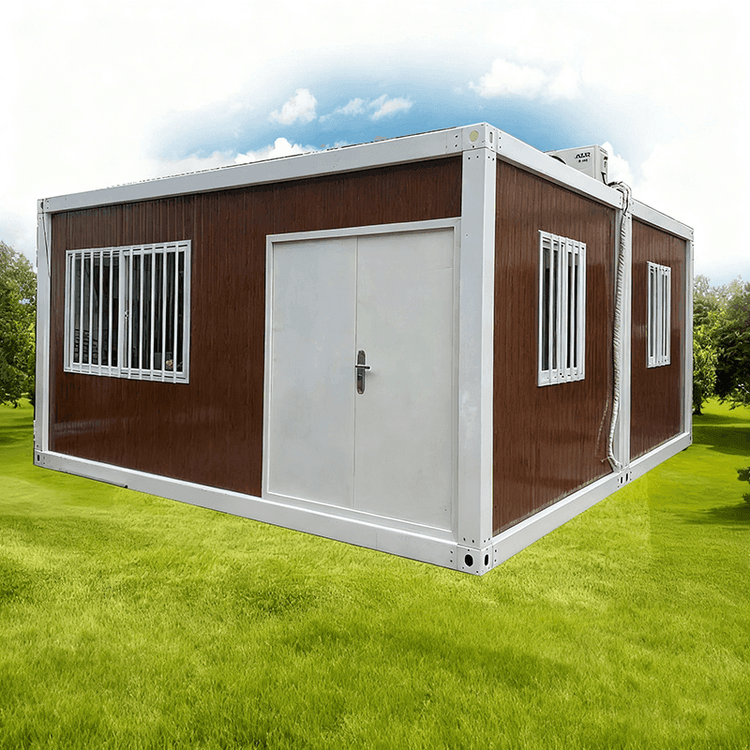
Mobile Toilet + Polyethylene
The connection between mobile toilets and polyethylene is primarily reflected in material applications. Some mobile toilets use high-density polyethylene (HDPE) as their core manufacturing material to meet the requirements of lightweight design, durability, and modularity.
High-density polyethylene (HDPE) is a thermoplastic polymer known for its high density, strong chemical stability, excellent impact resistance, and low-temperature tolerance. It also boasts outstanding processing performance, allowing it to be molded into complex structures through processes such as injection molding and blow molding. These characteristics make it an ideal material for manufacturing mobile toilets. For example, the main structure of mobile plastic toilets is often formed in one piece from HDPE plastic. This process not only simplifies the production process but also ensures the sealing and integrity of the toilet units, preventing leakage issues.
In terms of functional design, HDPE mobile toilets are typically equipped with built-in foot-operated flushing squat toilets and foot-operated water-dispensing handwashing stations. The foot-operated design reduces hand contact, enhancing hygiene levels, while the corrosion resistance of HDPE ensures that these facilities remain undamaged over long-term use. Additionally, the lightweight nature of HDPE (with a density of approximately 0.94-0.97g/cm³) significantly reduces transportation and installation costs for mobile toilets, making them particularly suitable for scenarios requiring frequent relocation, such as construction sites and temporary event venues.
Modular design is another major advantage of HDPE mobile toilets. Individual toilet units can be manufactured using HDPE one-piece molding technology and then quickly assembled into multi-stall restrooms through standard interfaces to meet varying usage demands. This design not only improves construction efficiency but also facilitates later maintenance and expansion. For example, if a unit becomes damaged, it can be directly replaced without the need for dismantling the entire structure.
From an environmental perspective, HDPE material is recyclable, aligning with sustainable development principles. Some mobile toilets are even manufactured using recycled HDPE, further reducing resource consumption. Meanwhile, the weather resistance of HDPE (withstanding temperatures from -50℃ to +60℃) enables it to adapt to various climatic conditions, extending its service life.
In summary, high-density polyethylene provides a lightweight, durable, hygienic, and environmentally friendly solution for mobile toilets through its excellent physical properties and processing characteristics, making it a key material in the manufacturing of modern mobile sanitation facilities.