
Mobile Toilet Policy
Mobile toilet-related policies are mainly reflected in three aspects: requirements for barrier-free facilities in public buildings, construction and management of tourist toilets, and property management regulations. Details are as follows:
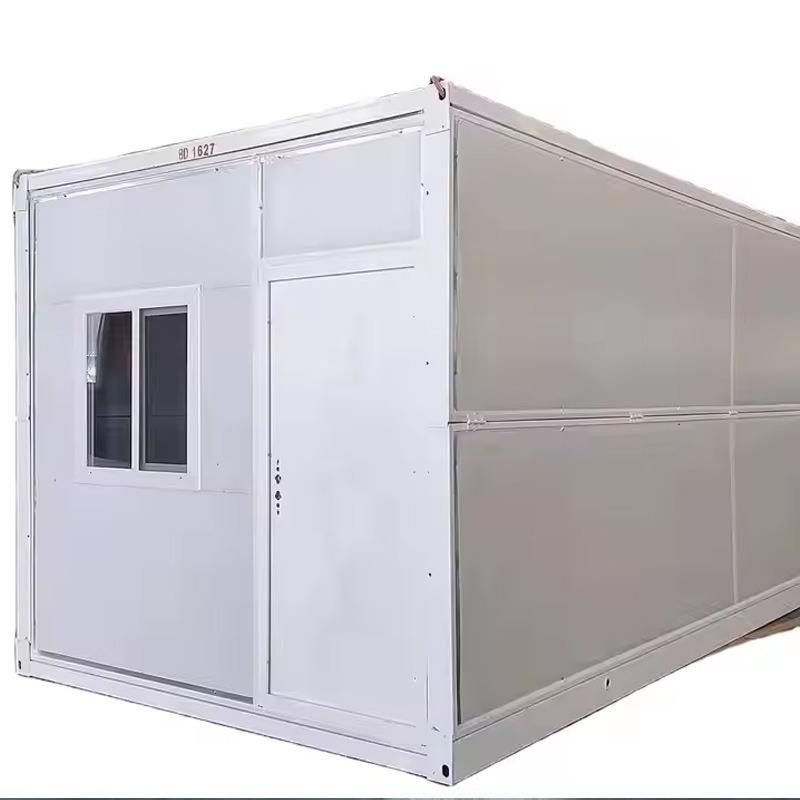
Requirements for barrier-free toilets in public buildings: According to the "General Code for Accessibility in Building and Municipal Engineering" (GB 55019-2021), public buildings must meet mandatory standards for barrier-free facilities. Each floor should have at least one independent barrier-free toilet, or ensure that there is an independent barrier-free toilet near the men's and women's public restrooms. The area of a barrier-free toilet should not be less than 4.00 square meters. Inside, a wheelchair turning space with a diameter of not less than 1.5 meters should be reserved, and it should be equipped with a barrier-free toilet seat, a washbasin, a multi-functional table (for placing items), a low-level clothes hook (with a height not exceeding 1.2 meters), and an emergency call device. The toilet door should be a horizontally sliding door or an outward-opening flat door to prevent inward-opening doors from obstructing wheelchair passage. These regulations ensure the convenience of toilet use for disabled people, the elderly, and other groups.
Construction and management policies for tourist toilets: The notice issued by the Ministry of Culture and Tourism has clarified the compliance targets for tourist toilets during the "14th Five-Year Plan" period: the implementation rate of the national standard (GB/T 18973-2022) should, in principle, reach over 90%, with a compliance rate of 90% for 4A and 5A-level scenic spots and national tourist resorts in underdeveloped central and western regions, and 70% for other tourist toilets. The policy focuses on: scientifically configuring the ratio of men's and women's toilet stalls (e.g., the ratio of women's toilet stalls should not be lower than 1:1.5), strengthening the construction of barrier-free toilet stalls and family restrooms, and achieving full coverage of family restrooms (equipped with adult and children's toilet seats, washbasins, safety grab bars, etc.) in 3A-level and above scenic spots and national and provincial tourist resorts. At the same time, it encourages the use of environmentally friendly technologies such as micro-flush, waterless flush, and biodegradation to solve construction difficulties in arid or ecologically sensitive areas, and explicitly prohibits the construction of extravagant toilets and other wasteful behaviors.
Regulations on mobile toilets in property management: According to the "Civil Code of the People's Republic of China", property service enterprises are required to perform maintenance, repair, and cleaning obligations for public health facilities (including mobile toilets) within residential communities. If damage to facilities or sanitation problems occur due to poor management, the property service enterprise shall be liable for compensation. Sanitation fees are usually part of the property fees, and homeowners are required to pay them as agreed. If mobile toilets are temporarily added to the community due to construction or activities, the property service enterprise shall ensure that they meet sanitation standards and are cleaned and maintained in a timely manner to avoid affecting the living environment of residents.



