
Mobile Toilet Plan
The Mobile Toilet Plan requires comprehensive consideration from three aspects: construction, project planning, and construction & operation and maintenance, covering project background, implementation steps, technical solutions, and market positioning.
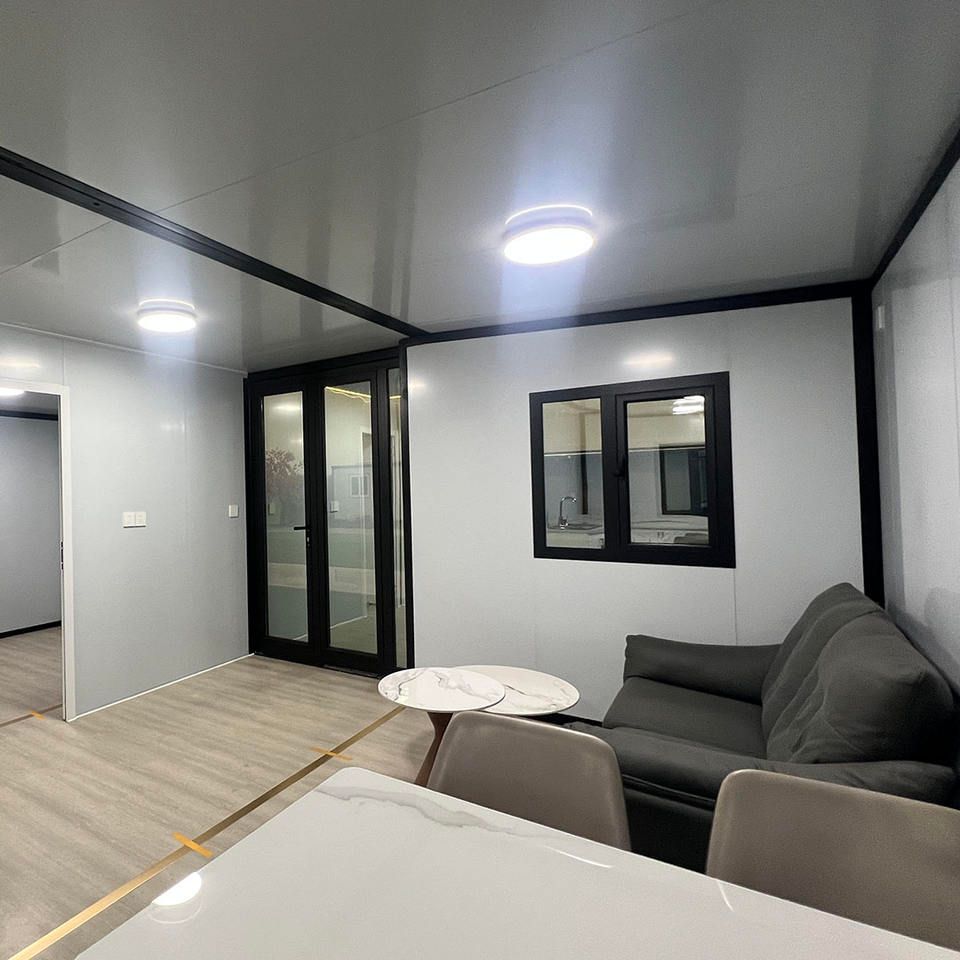
I. Construction Plan Formulation It is necessary to clarify the project background, such as the increasing demand for public restrooms due to the accelerated urbanization process, and provide a scientific and reasonable construction plan. The project overview should include the project name, location, scale, and construction period, with construction content covering installation, commissioning, acceptance, and other aspects. During the construction preparation phase, preparations in four areas—personnel, materials, equipment, and technology—must be completed: establish a professional construction team and conduct safety training; prepare materials such as the main structure of the mobile toilet, water and electricity equipment, and sanitary ware; configure construction vehicles, machinery, and safety protection facilities; familiarize yourself with the design drawings and prepare construction organization designs and emergency plans. The construction process should proceed in the order of site survey, foundation construction, main structure installation, water and electricity commissioning, decoration, and acceptance commissioning, with a focus on controlling the quality of key processes such as foundation pile embedding and concrete pouring.
II. Project Planning Framework Design The project plan for environmentally friendly, water-free flushing mobile toilets should include the purpose and significance of formulation. The purpose of formulation includes analyzing the internal and external environment of the enterprise, clarifying the development direction, providing assessment criteria, and enhancing employee consensus; the significance is reflected in unifying internal goals, optimizing resource allocation, motivating functional department collaboration, and strengthening decision-making risk control capabilities. The content framework should cover the project's basic overview, implementation background and methodology, environmental condition analysis, development positioning, planning goals, and implementation measures, such as clarifying the project's strengths and weaknesses through SWOT analysis and formulating hierarchical goals for short-term demonstration site construction and long-term nationwide service network construction.
III. Construction & Operation and Maintenance Model Innovation Taking the "Green Station - Intelligent Environmentally Friendly Mobile Public Toilet Network Construction Project" as an example, its core goals are divided into three stages: short-term validation of technology and business models, mid-term formation of a networked layout, and long-term construction of a nationwide branded service network. The product solution should integrate environmentally friendly technologies such as water-saving/water-free technology (over 90% water savings or water-free operation), waste resource utilization (on-site harmless treatment and organic matter conversion), and green energy (solar power supply). The operation and maintenance model should be combined with market demand analysis to address the pain points of high operation and maintenance costs for traditional mobile toilets and low penetration of high-end products, reducing operation and maintenance costs through technological innovation, such as using intelligent monitoring systems to provide real-time feedback on equipment status and optimize cleaning and maintenance frequencies. Market positioning should focus on the demands brought by urbanization, tourism economy, and policy guidance, seizing market opportunities with an annual demand growth rate exceeding 15%, and establishing a competitive advantage through differentiated products and services.



