Back to blog
Article
How to Install Pipes for Mobile Toilets
Admin October 10, 2026
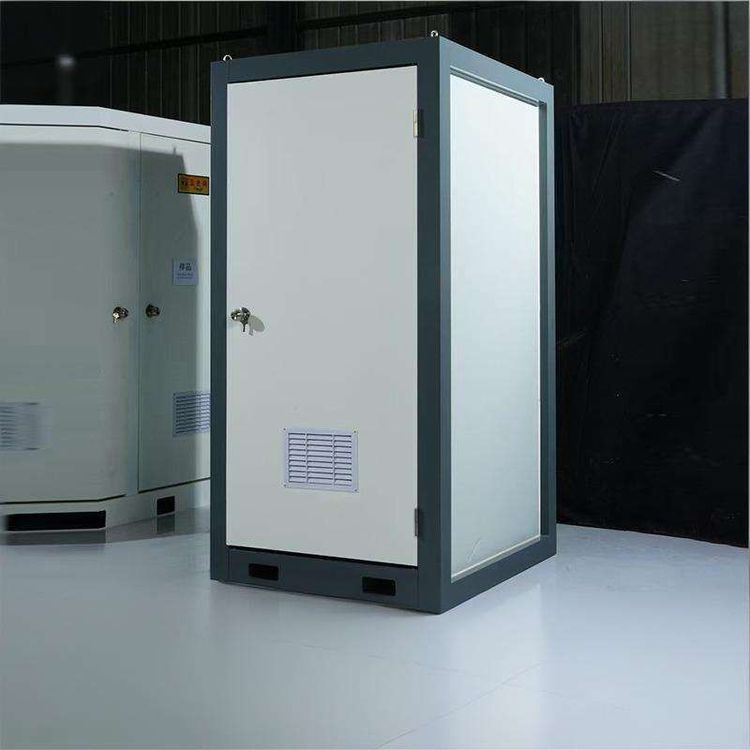
The installation of pipes for mobile toilets mainly involves direct-discharge mobile toilets, and the installation steps are as follows:
Planning and Preparation Before Installation
- Site Assessment and Selection: Prioritize selecting a solid and flat ground, such as a cement-hardened ground or asphalt ground. If it is a muddy ground, foundation treatment is required (e.g., compaction, laying a gravel layer). Confirm that there is a municipal sewage pipe network or a preset septic tank interface accessible near the installation point. Measure the distance between the interface and the predetermined position of the toilet to ensure that the sewage hose can be connected smoothly and the pipeline runs smoothly. Reserve sufficient space for people to use and pass through. Avoid selecting low-lying areas prone to water accumulation and place the toilet downwind according to the wind direction to reduce odor impact.
- Infrastructure Preparation: Lead the underground sewage pipe interface to the ground in advance. Install a well-sealed anti-odor floor drain or docking flange with an interface diameter matching the sewage outlet of the mobile toilet. If lighting, exhaust fans, or automatic flushing devices are required, reserve waterproof power interfaces. If water is needed for hand washing or enhanced toilet flushing, reserve water supply pipe interfaces. Prepare fixing devices according to the on-site environment, such as ground fixing pull rings, expansion bolts, or windproof cables, to prevent the toilet from shifting.
- Equipment Inspection: Before lifting, check whether the main structure of the toilet is intact, whether the doors and windows open and close smoothly, and whether the internal accessories (such as the toilet bowl, water tank, and handrails) are complete and secure. Pay special attention to checking whether the bottom sewage valve opens and closes flexibly and whether the sealing rubber ring is undamaged to avoid leakage problems during subsequent use.
Positioning and Leveling of the Main Body
- Transportation and Lifting: Use a forklift or crane for movement. The lifting belt or forklift tines should act on the dedicated load-bearing structure at the bottom of the toilet (such as steel beams or reinforced frames). It is strictly prohibited to directly hook the roof, walls, or railings and other non-load-bearing parts. The commander and the operator should cooperate closely and move slowly to avoid severe shaking or collision that may damage the equipment.
- Precise Positioning: Slowly lower the toilet to the predetermined position so that the bottom sewage outlet is aligned above the ground-preset sewage pipe interface. Usually, 2-3 minor adjustments are required to ensure complete alignment. If there is a deviation in the interface, it can be adjusted by modifying the ground foundation or using a flexible sewage hose as a transition.
- Level Adjustment: Use a level to check whether the main body of the toilet is level. Adjust it by modifying the bottom support feet (such as adjustable feet) or inserting moisture-proof wooden boards to ensure that there is no stress concentration at the sewage pipe connection and to avoid interface loosening or cracking due to long-term use.