Mobile Toilet Performance
Mobile toilets feature strong mobility, diverse sewage treatment methods, scientific structure, advanced technology, strong scene adaptability, and high ecological value.

Mobility: The core advantage of mobile toilets lies in their mobility, enabling flexible position adjustments according to site requirements, avoiding resource waste caused by the relocation of fixed facilities, and being particularly suitable for temporary events, construction sites, or scenarios requiring frequent position changes.
Diverse Sewage Treatment Methods:
- Flushing and Non-flushing Technologies: Recirculating flushing types decompose feces through biofilm technology, with treated water being recyclable; dry packing types use biodegradable plastic bags to collect excreta, achieving waterless treatment.
- Other Technology Types: These include foam sealing types, water-saving flushing types, microbial types, etc. For example, intelligent water-saving ecological toilets collect urine and hand-washing water, add water-saving agents, and achieve a flushing effect with only 0.46 liters of water per person.
- Extreme Environment Adaptability: Some technologies, such as microbial degradation types, can maintain a degradation rate of over 96% in extreme environments ranging from -20°C to 40°C. A single public toilet can save thousands of tons of water annually and reduce carbon emissions by about 30%.
Structural Characteristics:
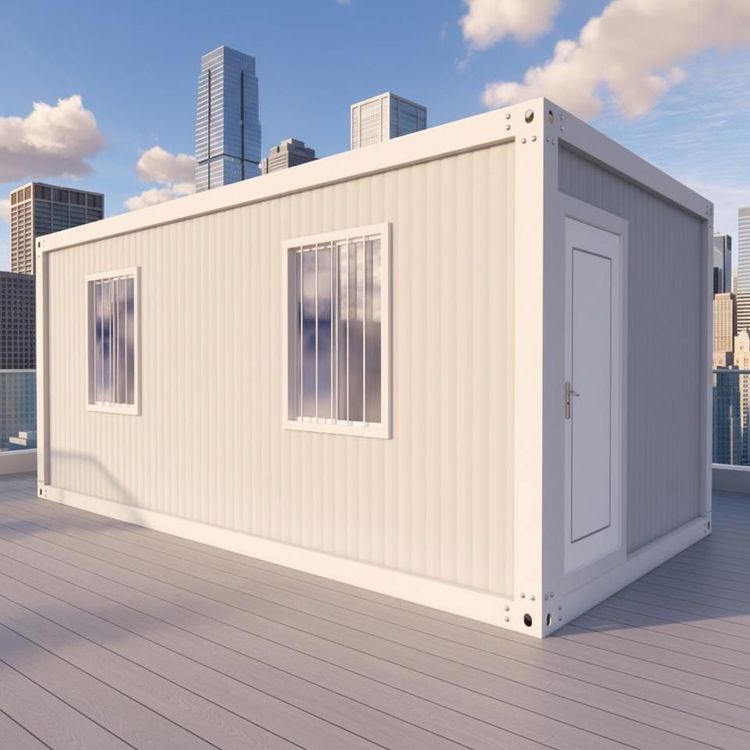
- Materials and Main Body: Exterior wall materials can be selected from color-coated steel plates, metal carved panels, etc. The main body is welded with national standard light steel keels to meet overall hoisting requirements.
- Flexible Configuration: Standard configurations include toilet bowls, lighting fixtures, exhaust fans, etc.; optional configurations cover air conditioners (heating and cooling), air purifiers, washbasins, etc., adapting to different scenario requirements.
- Intelligent and Water-saving Systems: Through intelligent control systems and water-saving agents, low-water flushing ranging from 0.46 to 1.5 liters per person is achieved, combining scientificity and safety.
Strong Scene Adaptability:
- Cultural and Tourism Integration: Through ultra-high-definition large screens and AI models, personalized services such as scenic spot recommendations and hotel reservations are provided, forming a closed loop of "toileting + consumption".
- High Foot Traffic Management: Some apps incentivize user interaction through carbon credits, enhancing brand promotion and user stickiness.
- Special Environment Applications: Over 500 public toilets have been installed in high-altitude and cold regions (such as Tibet and Xinjiang), verifying their regional adaptability and service capabilities.
Ecological Value: Mobile toilets are evolving into "smart nodes" in the urban service ecosystem, converting excreta into organic fertilizers through fecal resource utilization technology, promoting the development of a circular economy.