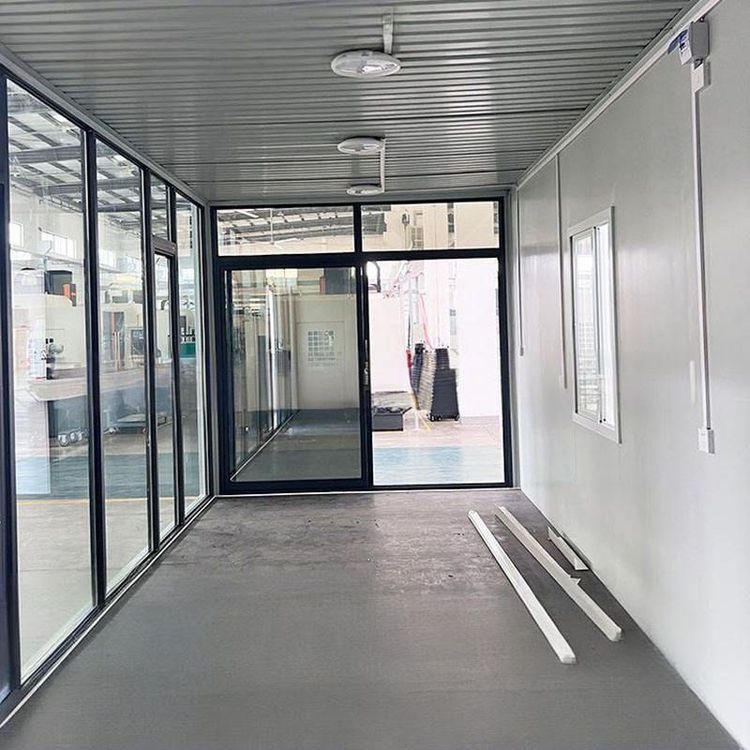
Mobile Toilet Outside the RV
Mobile toilets outside the RV generally refer to portable toilets, which are characterized by flexibility, rapid deployment, and environmental adaptability, and are widely used in outdoor settings.

From the perspective of product types, mobile toilets can be classified into the following categories: 1. Single-unit mobile toilets: Composed of independent compartments, they have a simple structure and are suitable for places with dispersed pedestrian traffic, such as small outdoor events or temporary construction sites. Their advantages lie in their small footprint and convenient deployment, but their functions are relatively simple, usually equipped with only basic toilet facilities. 2. Modular mobile toilets: Formed by modular assembly to create multiple toilet stalls, they offer strong scalability. Some high-end models are also equipped with sinks, urinals, and even barrier-free access, meeting diverse needs. For example, tourist attractions or large event venues often adopt such designs to handle high volumes of people. 3. Special-function mobile toilets:
- Eco-friendly ecological toilets: Utilize microbial degradation or recirculating water flushing technology to reduce water consumption. For instance, smart biological toilets decompose excrement using bacteria, producing no odors and converting the degradation products into fertilizer, suitable for ecologically sensitive areas.
- Luxury mobile toilets: Equipped with air conditioning, lighting, ventilation fans, and other facilities, they enhance user comfort and are commonly found in high-end campsites or commercial events.
- Barrier-free mobile toilets: Specifically designed for people with disabilities, they are equipped with ramps, handrails, and other assistive devices, reflecting humanistic care.
In terms of materials and structure, mobile toilets generally adopt a steel frame main structure to ensure stability and durability. The exterior wall materials can be galvanized steel plates, stainless steel plates, or aluminum plates, offering both corrosion resistance and aesthetic appeal; internally, rock wool or polyurethane is used for thermal insulation, adapting to different climatic conditions. The floor is laid with anti-slip flooring and paired with a waterproof layer to prevent water accumulation; doors and windows often use aluminum alloy profiles with insulated tempered glass, balancing light transmission and safety.
Typical application cases:
- RV portable toilets: Designed for onboard portability, they require no water flushing or electricity, collecting excrement in sealed bags to prevent odor leakage, suitable for wild camping.
- Smart biological toilets: Utilize microbial degradation technology to convert excrement into harmless substances, promoting environmental protection and resource recycling, suitable for long-term outdoor encampments.
The diverse designs of mobile toilets make them an ideal choice for RV travel, outdoor exploration, and temporary public facilities, meeting basic needs while兼顾 (considering, here translated as 'also taking into account') environmental protection and comfort.