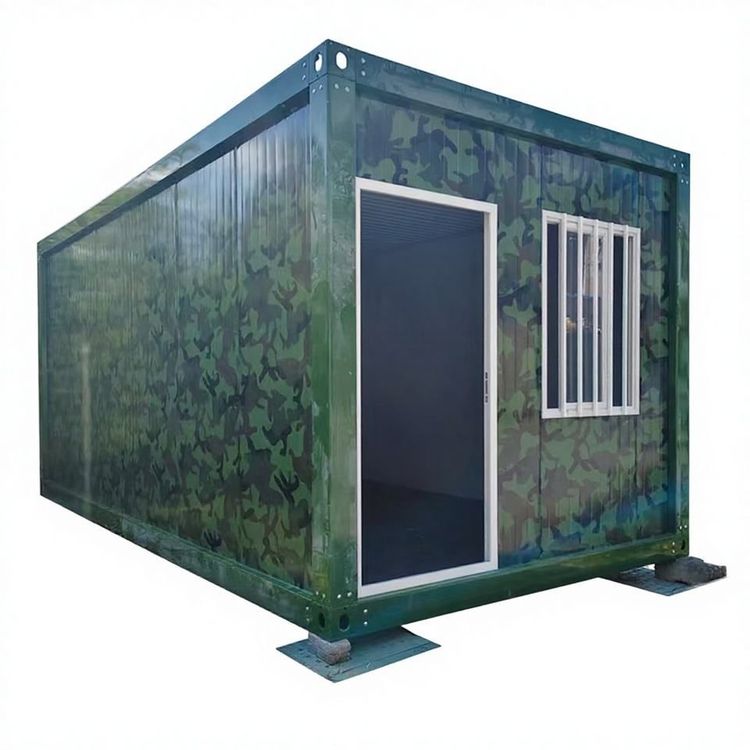
How to Remove Mobile Toilets Outdoors
The removal of mobile toilets outdoors should follow standardized procedures to ensure safety and compliance. The specific steps are as follows:

1. Shut Off Water, Electricity, and Sewage Systems Before removal, cut off the main power supply and water valve to avoid the risk of electric shock or water leakage. When removing external water and electricity lines, mark the line routes for easy restoration later. After removing the sewage pipes, thoroughly clean the connections and seal them with specialized blocking materials to prevent odor leakage or sewage backflow. If the mobile toilet is connected to the municipal sewage system, coordinate with relevant departments in advance to close the valves.
2. Empty the Water Storage Tank and Treat Sewage For mobile toilets equipped with a water storage tank, empty the sewage in the tank through a dedicated drainage outlet or sewage extraction equipment. If the sewage contains chemicals or pathogens, treat it in an environmentally friendly manner according to regulations. Direct dumping into the natural environment is prohibited. After emptying, rinse the inside of the water storage tank with clean water to prevent corrosion of the tank by residues.
3. Remove Internal Removable Facilities Disassemble internal components such as partition boards, toilets, and washbasins in sequence. Use professional tools (such as wrenches and screwdrivers) to avoid damaging the parts. During disassembly, classify and store small parts like screws and connectors and mark their original positions for easy reinstallation or recycling later. If the facilities contain fragile materials such as glass or ceramics, wrap them with protective materials to prevent breakage.
4. Disassemble the Main Structure Remove the main frame in the order of "roof panel - wall panel - chassis":
- Roof Panel: Use lifting equipment or have multiple people work together to slowly remove it to avoid collapse due to a shift in the center of gravity.
- Wall Panel: Start disassembly from the corners. Pay attention to protecting the edges of the panels to prevent scratches or deformation.
- Chassis: If the chassis is fixed to the ground, first release the anchor bolts or welding points, and then use a forklift or hydraulic device to lift it away as a whole. During the removal process, wear safety helmets, gloves, and other protective equipment, and set up warning lines to prevent unauthorized personnel from entering.
5. Cleaning, Transportation, and Storage Management Classify and stack the removed parts according to their materials (metal, plastic, wood). Lightweight materials should be bundled and secured, and heavy parts should be transported using specialized racks. If long-term storage is required, choose a dry and well-ventilated site. Apply anti-rust paint to metal parts and anti-corrosion agents to wooden parts. Classify and dispose of the construction waste generated during removal according to local regulations. Random dumping is prohibited.
Removal Time and Precautions
- Time: The removal of a small mobile toilet (such as a single-toilet unit) takes about 1-2 hours, while a large and complex structure (such as a multi-toilet unit with a management room) takes 3-5 hours.
- Safety: Check the structural stability before removal and avoid working in severe weather conditions such as strong winds or heavy rain.
- Compliance: If the mobile toilet occupies public space or is an illegal structure, apply for a removal permit from the urban management department in advance and cooperate with the law enforcement procedures.